When someone is facing joint replacement, spine surgery, or a serious musculoskeletal injury, the quality of their care doesn’t just come down to who is in the operating room — it comes down to the tools, systems, and environment surrounding them. At Kansas City Orthopaedic Institute (KCOI), orthopedic technology isn’t a buzzword. It’s the foundation of everything we do.
As Kansas City’s only hospital dedicated exclusively to orthopedics, KCOI has built its model around one principle: when you focus on a single specialty, you can invest more deeply in the tools and staff that make a real difference for patients. That focus produces clinical outcomes and patient satisfaction scores that consistently rank among the best in the region.
Robotics That Work With Your Surgeon
One of the most significant advances in orthopedic technology over the past decade is robotic-assisted surgery — and not all systems are created equal. KCOI uses Mako SmartRobotics™, a Stryker platform that allows surgeons to create a personalized 3D model of each patient’s anatomy before a single incision is made. During joint replacement procedures, Mako guides surgical instruments within pre-defined boundaries, helping protect surrounding tissue and improving implant placement precision.
Patients often ask: Is robotic knee replacement better than traditional surgery? The clinical evidence consistently points toward improved implant alignment, less soft tissue disruption, and faster recovery times, all of which directly shape the orthopedic patient experience. What makes Mako particularly powerful at KCOI is the context in which it’s used: a dedicated orthopedic hospital where every nurse, therapist, and technician is trained specifically to support joint replacement patients before, during, and after surgery.
Note: Not all procedures are appropriate for robotic-assisted surgery, and not all surgeons choose to use this tool. Read more about our doctors that perform Mako at KCOI including Dr. Ting, Dr. Wingerter, and Dr. Peer.
Imaging That Starts the Answer Before Surgery
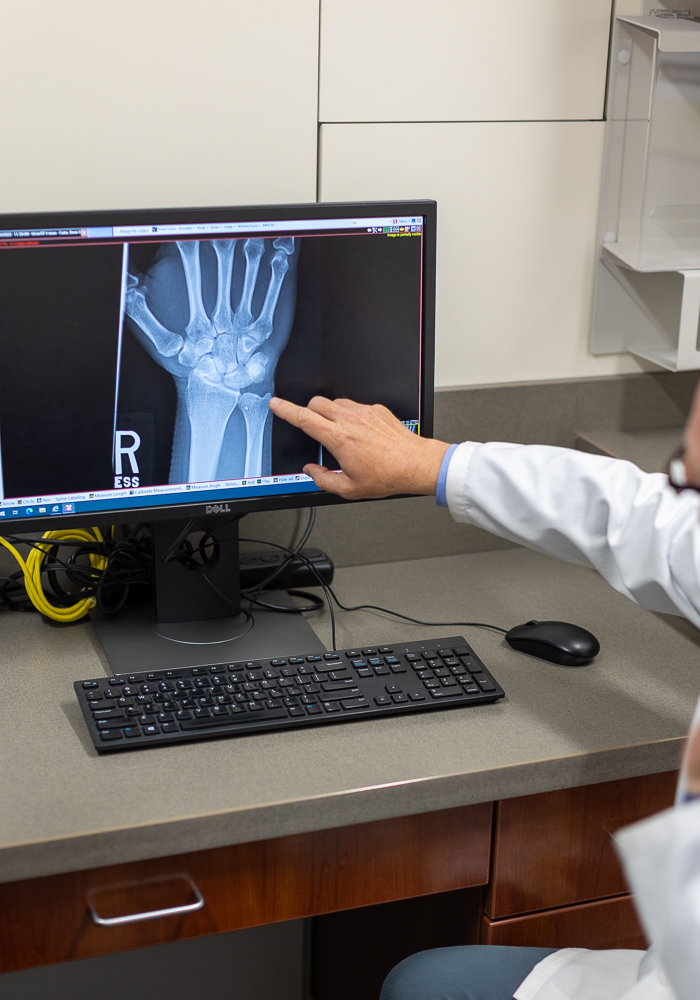
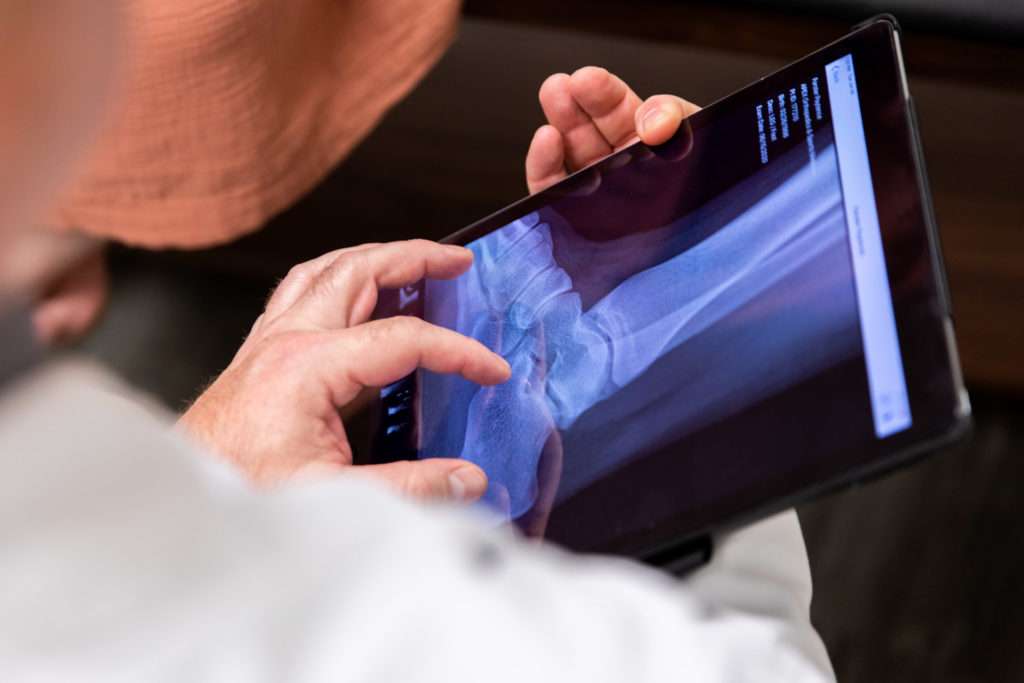
Accurate diagnosis drives accurate treatment. Delayed or incomplete imaging leads to delayed or incomplete care. KCOI’s on-site diagnostic imaging, including MRI and X-ray, means patients aren’t sent to a separate facility and told to wait days for results. Everything happens under one roof, reducing delays and keeping the entire care team aligned from the moment of diagnosis through the final stages of recovery.
This integration matters most for conditions where imaging nuance is critical: cartilage damage, labral tears, stress fractures, nerve compression, and spinal stenosis. The faster and more precisely these are identified, the sooner the right treatment, whether conservative management or surgery, can begin.
Pain Management That Reduces Opioid Dependency
Modern orthopedic care increasingly relies on multimodal pain management: combining regional nerve blocks, anti-inflammatory protocols, and targeted interventional spine and pain management to reduce post-operative pain without defaulting to opioids.
At KCOI, pain management is built into the surgical experience from day one — not added on as an afterthought.
KCOI’s interventional physiatrists, Dr. Fotopuloulos and Dr. Santos develop pain management plans that are specific to the patient, the procedure, and the recovery trajectory — not a generic protocol applied uniformly across cases.
Rehabilitation Built Into the Same Facility
Recovery is where outcomes are won or lost. The best surgical technique in the world produces poor results if rehabilitation is disorganized, delayed, or disconnected from the surgical plan. KCOI’s on-site physical and occupational therapy team works directly alongside surgeons and nurses — which means rehab protocols are coordinated from day one, not handed off to a provider who wasn’t in the room and doesn’t have the full clinical picture.
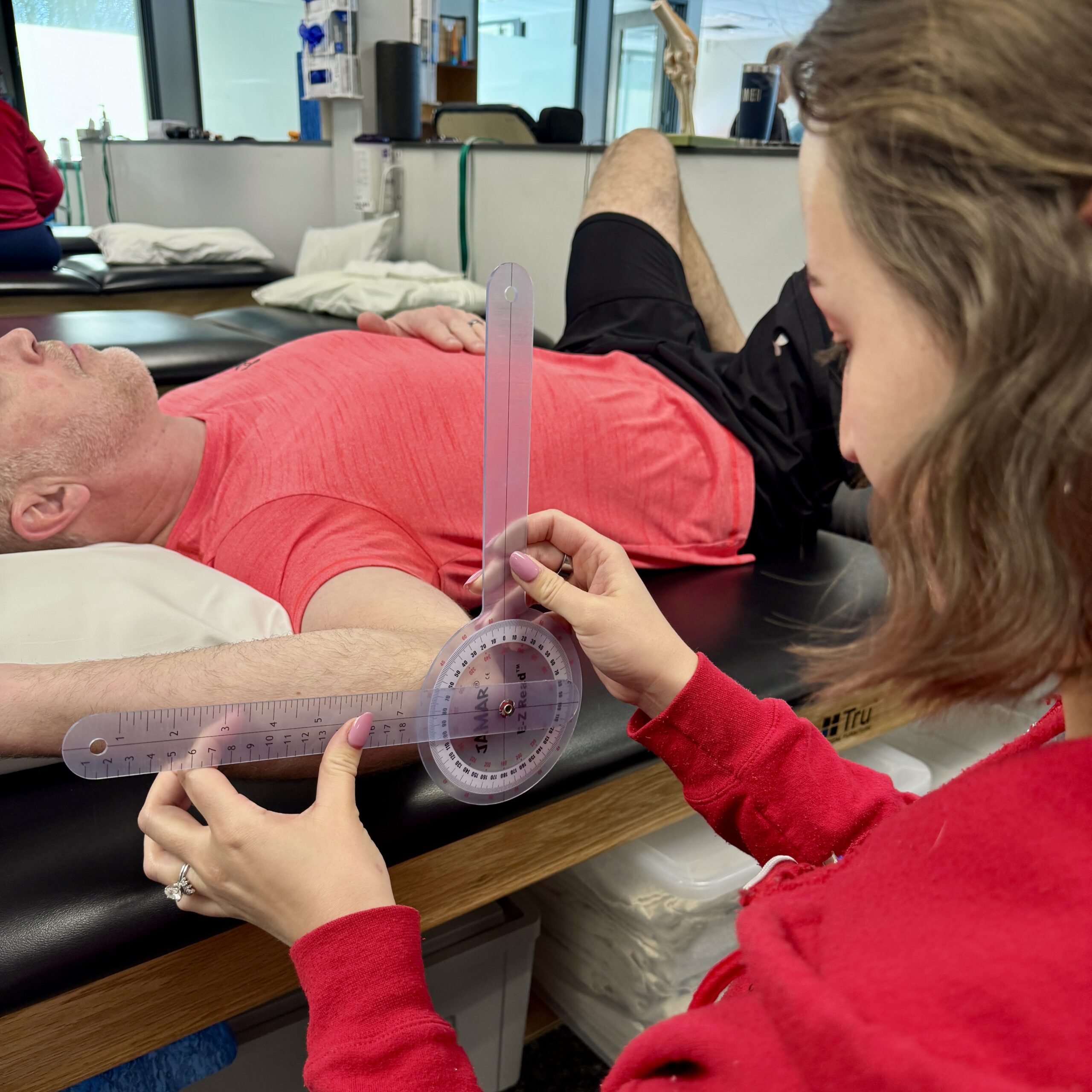
Each patient receives focused, individualized attention during the most critical window of recovery. Whether you’re regaining range of motion after rotator cuff repair, rebuilding strength after ACL reconstruction, or learning to walk again after total hip replacement, the continuity between your surgical and rehabilitative care is a direct driver of your overall orthopedic patient experience.
Patients can also take advantage of direct access to physical and occupational therapy — meaning you don’t always need a physician referral to begin treatment. For patients in early stages of a musculoskeletal issue, getting to a skilled therapist quickly can prevent the condition from progressing to the point of needing surgery.
Ortho Urgent Care: Technology-Backed Immediate Access
Orthopedic injuries don’t follow a schedule. Sprains, fractures, acute joint pain, and sports injuries often need to be evaluated quickly — and a general emergency room isn’t always the right place for a musculoskeletal injury. KCOI’s Ortho Urgent Care is open seven days a week and staffed by providers who specialize specifically in orthopedic injuries.
Patients can check in online using our handy ‘Save Your Spot’ feature before arriving, reducing wait times and streamlining the experience.
Subspecialty Expertise Across Every Joint and Condition
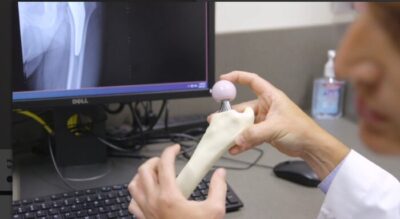 KCOI’s board-certified, fellowship-trained physicians cover every major orthopedic subspecialty. That means the physician treating your knee injury trained specifically in knee conditions — not general surgery with some orthopedic exposure. The same applies across shoulder and elbow care, foot and ankle, hand and wrist, and neck and back.
This subspecialty depth matters when it comes to orthopedic technology, because robotic systems, advanced imaging, and pain management protocols are only as effective as the training of the clinician applying them. At KCOI, the technology and the expertise are matched at every level.
Why Kansas City Chooses KCOI
When patients across the Kansas City region — from Leawood and Overland Park to Lee’s Summit and beyond — ask where is the best orthopedic hospital near me, the answer consistently points to KCOI. Not because of a single technology, but because of how everything works together: a physician-owned hospital model that prioritizes patient outcomes, subspecialty expertise at every level, and a commitment to investing in the orthopedic technology that produces real results.
KCOI has earned recognition from CMS and independent quality rating organizations, and that recognition reflects what patients experience from the first appointment through the final day of rehabilitation.
Ready to experience the difference? Whether you need a consultation, imaging, surgery, or rehabilitation, KCOI is your single destination for comprehensive orthopedic care. Request an Appointment with our partner physician clinic, KCOA, or check in to Ortho Urgent Care online today.