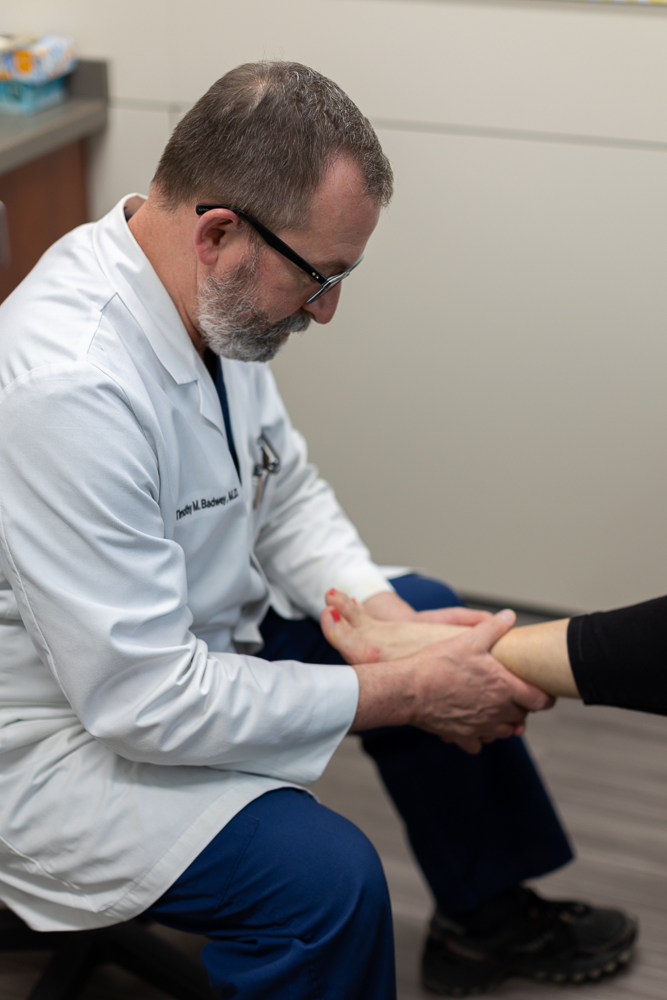
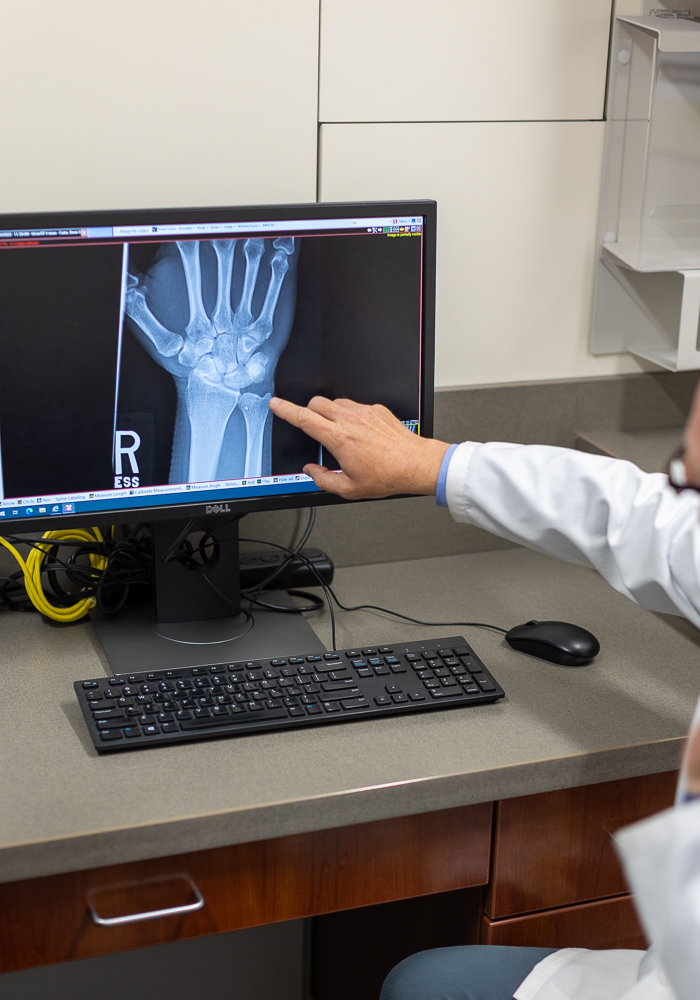
physician reviewing hand xray with a patient

Orthopedic Innovation Improving Patient Experience

When someone is facing joint replacement, spine surgery, or a serious musculoskeletal injury, the quality of their care doesn’t just come down to who is in the operating room — it comes down to the tools, systems, and environment surrounding them. At Kansas City Orthopaedic Institute (KCOI), orthopedic technology isn’t a buzzword. It’s the foundation of everything we do. 

As Kansas City’s only hospital dedicated exclusively to orthopedics, KCOI has built its model around one principle: when you focus on a single specialty, you can invest more deeply in the tools and staff that make a real difference for patients. That focus produces clinical outcomes and patient satisfaction scores that consistently rank among the best in the region. 

Robotics That Work With Your Surgeon 

One of the most significant advances in orthopedic technology over the past decade is robotic-assisted surgery — and not all systems are created equal. KCOI uses Mako SmartRobotics™, a Stryker platform that allows surgeons to create a personalized 3D model of each patient’s anatomy before a single incision is made. During joint replacement procedures, Mako guides surgical instruments within pre-defined boundaries, helping protect surrounding tissue and improving implant placement precision. 

Patients often ask: Is robotic knee replacement better than traditional surgery? The clinical evidence consistently points toward improved implant alignment, less soft tissue disruption, and faster recovery times, all of which directly shape the orthopedic patient experience. What makes Mako particularly powerful at KCOI is the context in which it’s used: a dedicated orthopedic hospital where every nurse, therapist, and technician is trained specifically to support joint replacement patients before, during, and after surgery. 

Note: Not all procedures are appropriate for robotic-assisted surgery, and not all surgeons choose to use this tool. Read more about our doctors that perform Mako at KCOI including Dr. Ting, Dr. Wingerter, and Dr. Peer.

Imaging That Starts the Answer Before Surgery 

Accurate diagnosis drives accurate treatment. Delayed or incomplete imaging leads to delayed or incomplete care. KCOI’s on-site diagnostic imaging, including MRI and X-ray, means patients aren’t sent to a separate facility and told to wait days for results. Everything happens under one roof, reducing delays and keeping the entire care team aligned from the moment of diagnosis through the final stages of recovery. 

This integration matters most for conditions where imaging nuance is critical: cartilage damage, labral tears, stress fractures, nerve compression, and spinal stenosis. The faster and more precisely these are identified, the sooner the right treatment, whether conservative management or surgery, can begin.  

Pain Management That Reduces Opioid Dependency 

Modern orthopedic care increasingly relies on multimodal pain management: combining regional nerve blocks, anti-inflammatory protocols, and targeted interventional spine and pain management to reduce post-operative pain without defaulting to opioids.

At KCOI, pain management is built into the surgical experience from day one — not added on as an afterthought. 

KCOI’s interventional physiatrists, Dr. Fotopuloulos and Dr. Santos develop pain management plans that are specific to the patient, the procedure, and the recovery trajectory — not a generic protocol applied uniformly across cases. 
Rehabilitation Built Into the Same Facility 

Recovery is where outcomes are won or lost. The best surgical technique in the world produces poor results if rehabilitation is disorganized, delayed, or disconnected from the surgical plan. KCOI’s on-site physical and occupational therapy team works directly alongside surgeons and nurses — which means rehab protocols are coordinated from day one, not handed off to a provider who wasn’t in the room and doesn’t have the full clinical picture. 
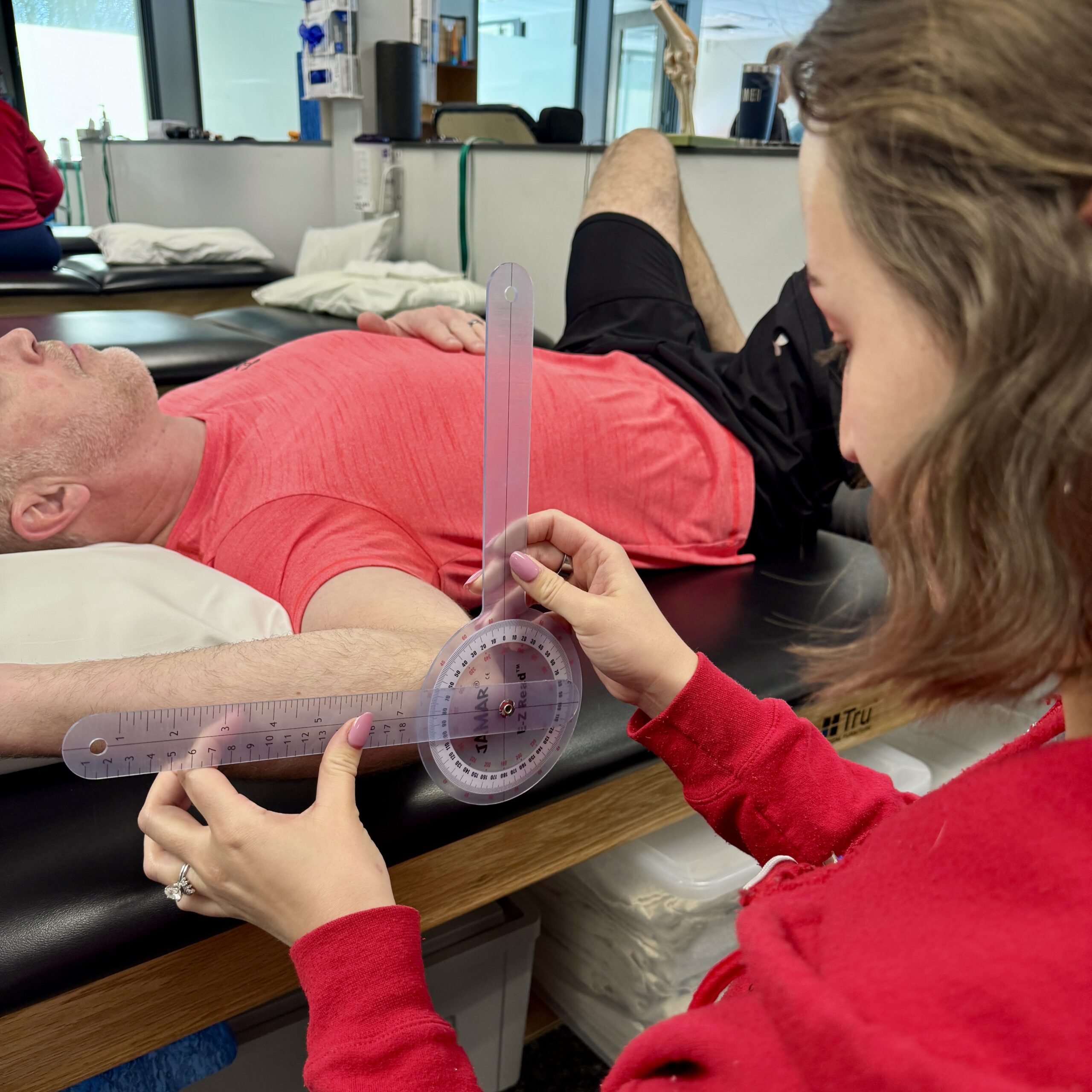
Each patient receives focused, individualized attention during the most critical window of recovery. Whether you’re regaining range of motion after rotator cuff repair, rebuilding strength after ACL reconstruction, or learning to walk again after total hip replacement, the continuity between your surgical and rehabilitative care is a direct driver of your overall orthopedic patient experience. 

Patients can also take advantage of direct access to physical and occupational therapy — meaning you don’t always need a physician referral to begin treatment. For patients in early stages of a musculoskeletal issue, getting to a skilled therapist quickly can prevent the condition from progressing to the point of needing surgery. 

Ortho Urgent Care: Technology-Backed Immediate Access 

Orthopedic injuries don’t follow a schedule. Sprains, fractures, acute joint pain, and sports injuries often need to be evaluated quickly — and a general emergency room isn’t always the right place for a musculoskeletal injury. KCOI’s Ortho Urgent Care is open seven days a week and staffed by providers who specialize specifically in orthopedic injuries. 

Patients can check in online using our handy ‘Save Your Spot’ feature before arriving, reducing wait times and streamlining the experience. 

Subspecialty Expertise Across Every Joint and Condition 
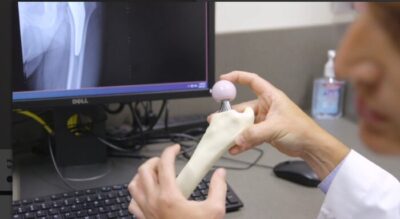
hip joint modelKCOI’s board-certified, fellowship-trained physicians cover every major orthopedic subspecialty. That means the physician treating your knee injury trained specifically in knee conditions — not general surgery with some orthopedic exposure. The same applies across shoulder and elbow carefoot and anklehand and wrist, and neck and back. 

This subspecialty depth matters when it comes to orthopedic technology, because robotic systems, advanced imaging, and pain management protocols are only as effective as the training of the clinician applying them. At KCOI, the technology and the expertise are matched at every level. 

Why Kansas City Chooses KCOI 

When patients across the Kansas City region — from Leawood and Overland Park to Lee’s Summit and beyond — ask where is the best orthopedic hospital near me, the answer consistently points to KCOI. Not because of a single technology, but because of how everything works together: a physician-owned hospital model that prioritizes patient outcomes, subspecialty expertise at every level, and a commitment to investing in the orthopedic technology that produces real results. 

KCOI has earned recognition from CMS and independent quality rating organizations, and that recognition reflects what patients experience from the first appointment through the final day of rehabilitation. 

Ready to experience the difference? Whether you need a consultation, imaging, surgery, or rehabilitation, KCOI is your single destination for comprehensive orthopedic care. Request an Appointment with our partner physician clinic, KCOA, or check in to Ortho Urgent Care online today. 
 

Sports Medicine Spotlight: Keeping Athletes in the Game Safely 

Introduction: When the Game Demands the Best 

Whether you’re a high school athlete pushing for a scholarship, a weekend warrior chasing your personal best, or a professional competitor at the peak of your career, one thing is universal: injuries can sideline even the most dedicated players. At Kansas City Orthopedic Institute (KCOI), our sports medicine specialists understand how much the game means to you, and we’re committed to keeping you in it. 

Sports medicine is more than treating injuries after they happen. It’s a proactive, comprehensive discipline that encompasses injury prevention, rapid diagnosis, evidence-based treatment, and strategic rehabilitation. In the greater Kansas City area, KCOI stands at the forefront of this field, delivering elite-level care to athletes across all sports and skill levels. 

What Is Sports Medicine and Why Does It Matter? 

Sports medicine is a specialized branch of healthcare focused on the physical fitness, treatment, and prevention of injuries related to sports and exercise. According to the American College of Sports Medicine (ACSM), sports medicine physicians are uniquely trained to optimize athletic performance, reduce injury risk, and guide recovery through both surgical and non-surgical approaches. 

At KCOI, our sports medicine team blends orthopedic expertise with cutting-edge diagnostics. We treat everything from acute injuries like ACL tears and stress fractures to chronic conditions such as tendinopathy and overuse syndromes. Our goal is always the same: return you to peak performance, safely and efficiently. 

Common Sports Injuries We Treat at KCOI 

Athletes come to us with a wide spectrum of injuries. Here are some of the most common conditions our sports medicine team manages: 

  1. ACL Tears and Knee Injuries

The anterior cruciate ligament (ACL) is one of the most frequently injured structures in sport. Soccer players, basketball athletes, and skiers are especially vulnerable. KCOI’s knee specialists offer both conservative management and advanced surgical reconstruction when needed, combined with sport-specific rehabilitation to get you back on the field.  

Learn more about our knee care services at KCOI and how our team customizes treatment plans for every athlete. Or, learn more about ACL injuries and treatment from the providers at our partner physician clinic, KCOA. 

  1. Shoulder Instability and Rotator Cuff Injuries

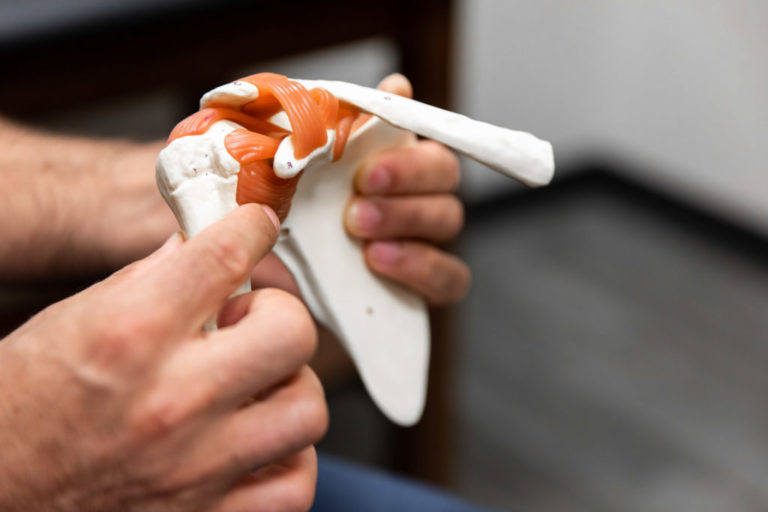
Overhead athletes (baseball pitchers, swimmers, and tennis players) frequently deal with rotator cuff tears, labral injuries, and shoulder instability. KCOI’s shoulder specialists use minimally invasive arthroscopic techniques to repair damage and restore function, minimizing downtime and maximizing long-term outcomes. 

  1. Stress Fractures and Overuse Injuries

Repetitive impact and training errors are among the leading causes of overuse injuries. Stress fractures in the foot, tibia, and hip are common sports injuries in distance runners and dancers. Our sports medicine physicians conduct thorough biomechanical assessments to identify contributing factors and develop comprehensive return-to-sport protocols. 

  1. Ankle Sprains and Ligament Injuries

While ankle sprains may seem minor, improper treatment can lead to chronic instability and recurring injuries. KCOI provides detailed functional assessments and individualized therapy programs to ensure full ligament healing and proprioceptive recovery. 

Injury Prevention: Our Proactive Approach 

One of the hallmarks of KCOI’s sports medicine philosophy is prevention. We believe the best injury is the one that never happens. Our team provides: 

  1. Pre-participation physical evaluations (PPEs) for student athletes 
  2. Biomechanical movement screenings to identify compensatory patterns 
  3. Neuromuscular training programs to improve dynamic stability 
  4. Sport-specific conditioning and load management guidance 
  5. Equipment and footwear recommendations tailored to your sport 

Research from the National Institutes of Health (NIH) confirms that structured neuromuscular training programs can reduce ACL injury rates by up to 50% in female athletes, a compelling case for investing in prevention before injury strikes. 

Return-to-Sport Protocols: Getting Back Safely 

One of the most critical, and most misunderstood, phases of sports injuries or athletic injury recovery is the return-to-sport process. Returning too soon dramatically increases the risk of re-injury, while overly conservative protocols can unnecessarily extend time away from competition. 

At KCOI, we use evidence-based return-to-sport criteria, including strength testing, functional movement assessments, and psychological readiness evaluations. Our multidisciplinary team, including sports medicine physicians, physical therapists, and athletic trainers, collaborates to determine the safest and most efficient path back to full competition. 

Our Sports Medicine team here at KCOI is robust. See each profile below: 

 Explore our full rehabilitation and physical therapy programs at KCOI Physical Therapy, where our licensed therapists work hand-in-hand with your sports medicine physician. 

Serving Kansas City’s Athletic Community 

From youth leagues and high school teams to collegiate programs and weekend warriors, KCOI proudly serves the entire spectrum of Kansas City’s athletic community. We partner with local schools, sports clubs, and organizations to provide sideline coverage, team physician services, and educational workshops on injury prevention and sports nutrition. 

Our centrally located facilities make it easy to access world-class orthopedic and sports medicine care without leaving the Kansas City area. We’re honored to be a trusted resource for so many athletes; and we take that responsibility seriously. 

When to See a Sports Medicine Specialist 

Not every ache requires a doctor’s visit, but certain signs warrant prompt evaluation: 

  1. Pain that persists beyond 48–72 hours despite rest and ice 
  2. Swelling, bruising, or deformity following an acute injury 
  3. Difficulty bearing weight or using the injured extremity 
  4. A “pop” or “snap” at the time of injury 
  5. Recurring injuries to the same area 

Early intervention typically leads to faster recovery and better long-term outcomes. Don’t wait; schedule an appointment with one of our sports medicine specialists at partner physician clinic KCOA and let our sports medicine team develop a personalized care plan for you. 

Your Game. Our Commitment. 

Sports medicine at Kansas City Orthopedic Institute goes far beyond treating injuries. We’re your partners in athletic performance — from the pre-season through the post-game, from prevention through recovery. Our team of fellowship-trained sports medicine specialists is ready to help you achieve your athletic goals while keeping you healthy and safe for the long term. 

Whether you’re dealing with an acute injury or looking for guidance on how to perform at your best, KCOI’s sports medicine team is here for you. Kansas City athletes deserve Kansas City’s best — and that’s exactly what we deliver. 


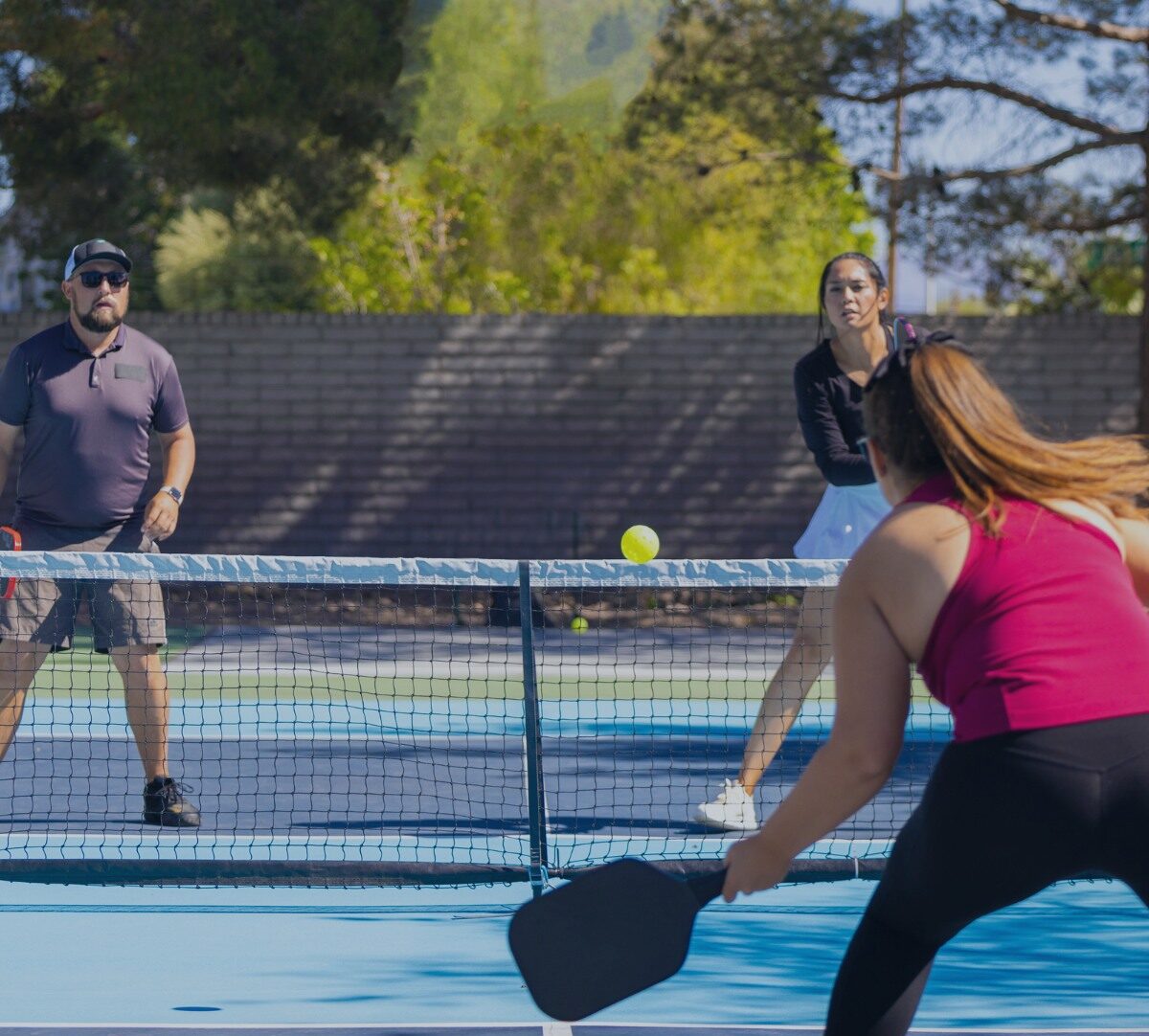
pickleball players

Pickleball Injuries: When to Seek Orthopedic Care

Pickleball has exploded in popularity, offering a fun and fast-paced blend of tennis, badminton and ping pong. It’s easy to learn, highly social and offers a fantastic way to stay active. However, as with any sport that involves quick movements, pivots and explosive actions, pickleball comes with its own set of potential risks, particularly for the lower extremities.

At Kansas City Orthopaedic Institute (KCOI), our sports medicine specialists and orthopedic surgeons are increasingly seeing patients with pickleball-related injuries. While the game is generally considered low-impact, the sudden starts, stops and directional changes can place significant stress on your feet, ankle, knee, leg and hip. This post will delve into common lower extremity pickleball injuries, explain why they occur, and, most importantly, help you understand when it’s time to transition from self-care to professional orthopedic treatment.

The Rise of Pickleball and the Twist of Injuries

The explosion in popularity (and pickleball courts throughout the KC metro) means more people are playing, often without a prior background in racket sports or high-intensity activity. This broad appeal, while wonderful for public health, can also contribute to a higher incidence of injuries. Players might underestimate the demands the game places on their bodies, leading to improper warm-ups, pushing too hard too fast, or not recognizing the early signs of strain.

Common lower extremity injuries in pickleball frequently stem from:

  • Sudden directional changes: Quickly moving side-to-side or forward-and-back puts immense pressure on ankles and knees.
  • Repetitive impacts: Constant running and jumping on hard courts can stress joints and bones.
  • Overextension or awkward landings: Reaching for a shot or landing off-balance can lead to sprains or strains.
  • Lack of proper conditioning: Not adequately preparing your muscles and joints for the sport’s demands.

While this post focuses on lower extremity injuries, it’s worth noting that other common pickleball injuries can include issues with the wrist (from trip/falls or swings/strokes), elbow and shoulder (excessive swings/strokes).

Common Lower Extremity Pickleball Injuries

Let’s break down some of the specific lower extremity injuries our orthopedic experts at KCOI frequently diagnose and treat:

Ankle Sprains

Perhaps the most common injury in pickleball, an ankle sprain, occurs when the ligaments that stabilize your ankle are stretched or torn. This often happens during quick lateral movements, lunging for a ball, or landing awkwardly after a jump. You might feel a “pop” or tearing sensation, followed by immediate pain, swelling, bruising and difficulty bearing weight.

Achilles Tendinopathy or Rupture

The Achilles tendon, located at the back of your ankle, connects your calf muscles to your heel bone. The explosive push-off movements required in pickleball can put significant strain on this tendon. Overuse can lead to Achilles tendinopathy (inflammation or degeneration), characterized by pain and stiffness in the back of the heel, especially in the morning or after activity. A sudden, forceful push-off can also lead to a complete Achilles tendon rupture, which is often described as feeling like you’ve been “kicked” in the back of the leg, followed by severe pain and inability to push off your foot.

Knee Ligament Sprains (ACL, MCL, LCL) and Meniscus Tears 

The knee is particularly vulnerable due to the twisting and pivoting motions in pickleball.

  • ACL (Anterior Cruciate Ligament) injuries: Often occur with sudden stops, changes in direction, or awkward landings, leading to a “pop” sensation, instability, swelling and severe pain.
  • MCL (Medial Collateral Ligament) injuries: Result from forces that push the knee inward, common during side-to-side movements or collisions.
  • LCL (Lateral Collateral Ligament) injuries: Less common, caused by forces pushing the knee outward.
  • Meniscus Tears: The menisci are C-shaped pieces of cartilage that cushion your knee joint. Twisting the knee while bearing weight can tear a meniscus, causing pain, swelling, clicking, catching or a feeling of the knee “giving out.”

Strains and Fractures

Hamstring Strains

The hamstrings, located at the back of your thigh, are crucial for running and stopping movements. Sudden sprints or lunges, especially without adequate warm-up, can lead to a hamstring strain, causing sharp pain in the back of the thigh, bruising and tenderness.

Calf Strains (e.g., “Tennis Leg”)

Similar to hamstring strains, calf strains (often called “tennis leg” in other sports, but equally applicable to pickleball) occur when the calf muscles are suddenly stretched or contracted beyond their capacity. This can happen during a powerful push-off or an abrupt stop, resulting in sharp pain in the back of the lower leg, swelling and difficulty walking.

Plantar Fasciitis

This condition involves inflammation of the plantar fascia, a thick band of tissue running along the bottom of your foot from your heel to your toes. The repetitive impact of running and jumping on hard pickleball courts, especially with inadequate footwear or foot support, can lead to heel pain that is often worse in the morning or after periods of rest.

Stress Fractures

While less common acutely, repetitive stress on the bones of the foot or lower leg (tibia, fibula) without adequate recovery time can lead to stress fractures. These are tiny cracks in the bone, causing localized pain that worsens with activity and improves with rest.

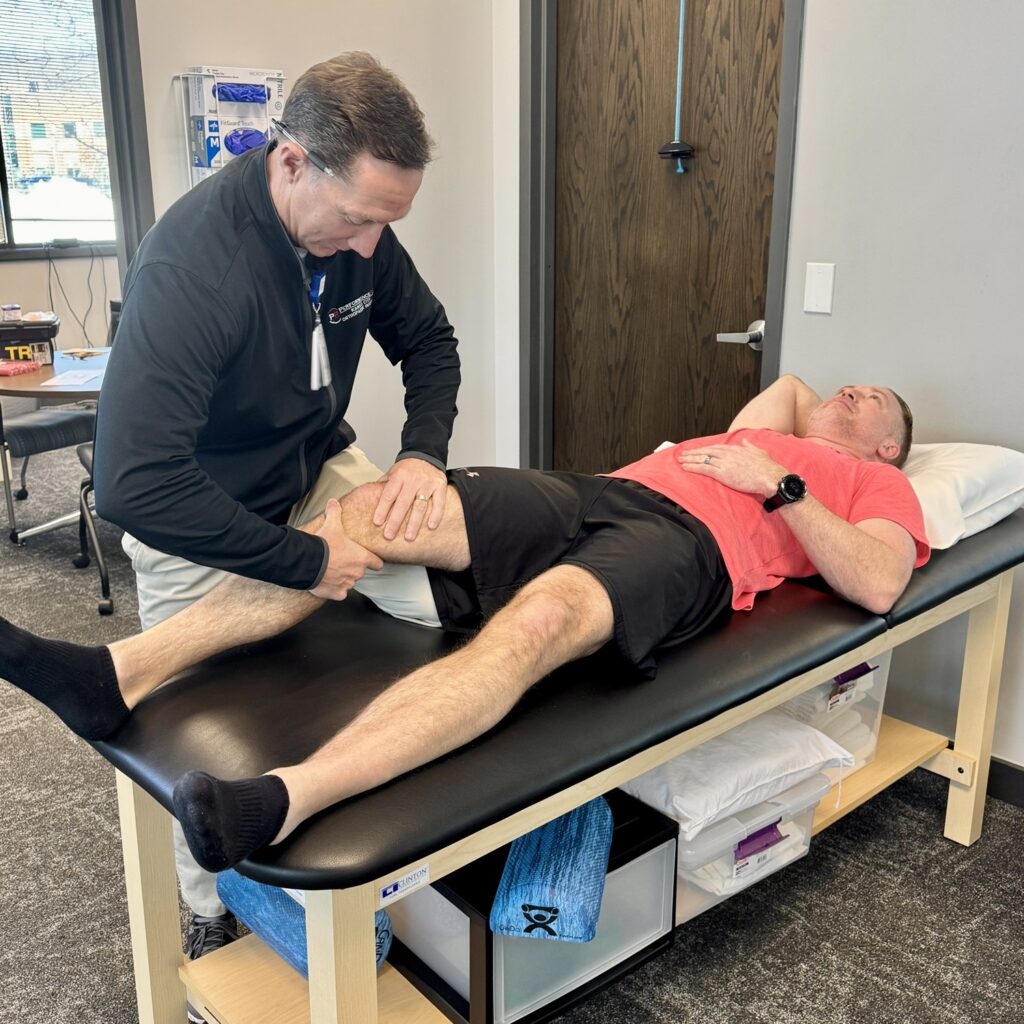
physical therapy on leg

How to Know When You Need Orthopedic Treatment

It’s natural to have some aches and pains after playing a new sport or pushing yourself during a game. However, certain signs indicate that your injury is more than just a minor tweak and warrants evaluation by a sports medicine physician or orthopedic surgeon at KCOI.

Seek immediate medical attention if you experience:

  1. Sudden, Severe Pain: Pain that is excruciating and prevents you from continuing to play or bear weight.
  2. Deformity: If the injured area looks visibly crooked, swollen or out of place.
  3. Inability to Bear Weight: If you cannot put any weight on your foot or leg without excruciating pain.
  4. Audible “Pop” or “Snap”: Often indicative of a ligament tear (like ACL or Achilles) or a fracture.
  5. Loss of Function: If you cannot move the affected joint or limb normally.
  6. Numbness or Tingling: This could indicate nerve involvement and requires prompt evaluation.

Consider scheduling an appointment with an orthopedic specialist if you have:

  1. Persistent Pain: Pain that doesn’t improve with rest, ice, compression, and elevation (RICE method) after a few days.
  2. Swelling and Bruising that Worsens: Or does not subside after 24-48 hours.
  3. Limited Range of Motion: If you can’t fully straighten or bend your joint compared to the uninjured side.
  4. Instability: A feeling that your knee or ankle might “give out” or is unstable during movement.
  5. Recurring Pain: If the pain keeps coming back every time you play pickleball, even after resting.
  6. Chronic Aches: Persistent aches that disrupt sleep or daily activities, even if not acutely severe.

At KCOI, our team of orthopedic surgeons has extensive experience diagnosing and treating a wide range of sports-related injuries, including those sustained on the pickleball court. We utilize state-of-the-art diagnostic tools and develop personalized treatment plans, which may include physical therapy, injections or, in some cases, surgical intervention.

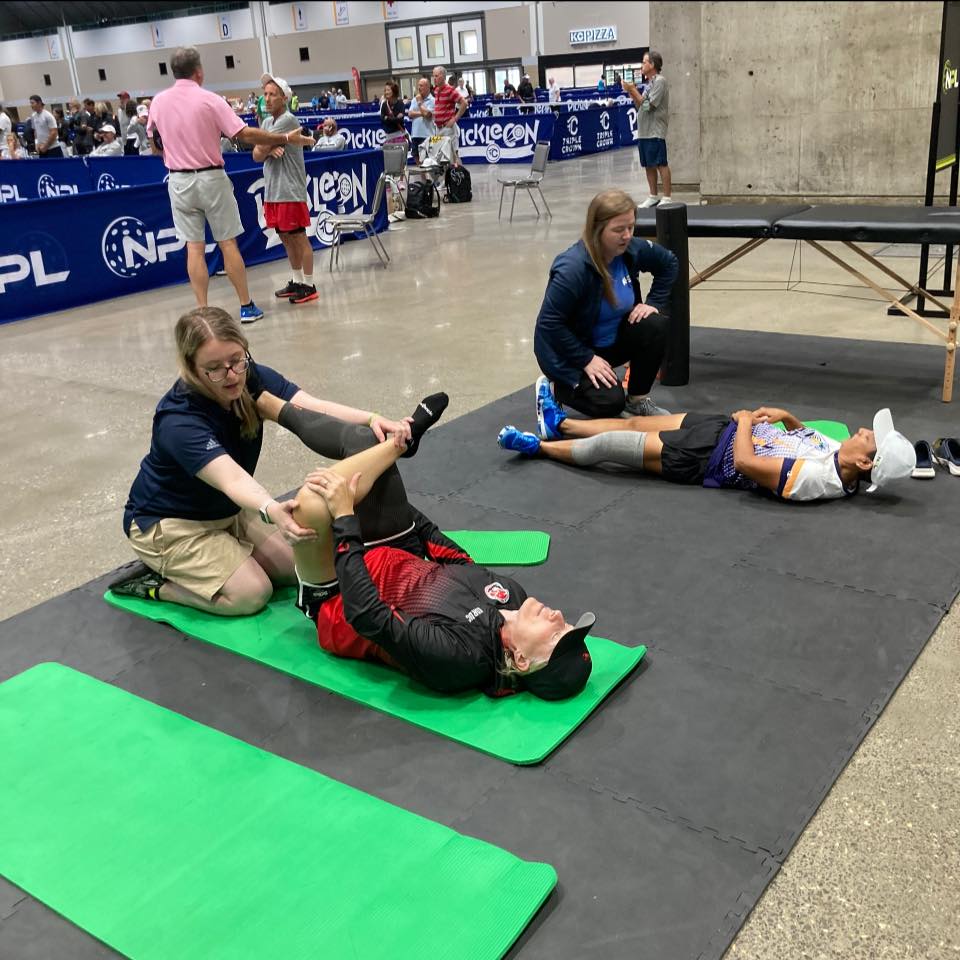
athletic trainers and pickleball athletes

Preventing Pickleball Injuries: Play Smart, Stay Healthy

While injuries can happen, many can be prevented with proper preparation and smart play:

  • Warm-Up Properly: Before stepping onto the court, spend 5-10 minutes with light cardio (jogging in place, jumping jacks) and dynamic stretches (leg swings, knee circles, ankle rotations).
  • Cool-Down and Stretch: After playing, take 5-10 minutes to gently stretch the muscles you used, holding each stretch for 20-30 seconds.
  • Wear Appropriate Footwear: Invest in court shoes that provide good lateral support and cushioning. Running shoes are not designed for the side-to-side movements of pickleball.
  • Stay Hydrated: Dehydration can contribute to muscle cramps and fatigue, increasing injury risk.
  • Listen to Your Body: Don’t play through pain. If something hurts, take a break. Push too hard and a minor ache can become a major injury.
  • Progress Gradually: If you’re new to pickleball or haven’t played much lately, start with shorter sessions and gradually increase your playing time and intensity.
  • Focus on Technique: Learning proper footwork and stroke mechanics can reduce undue stress on your joints. Consider lessons if you’re serious about the game.
  • Strengthen and Condition: Incorporate strength training exercises that target your core, glutes, hamstrings, and calf muscles. Improve your balance and agility through drills.

Pickleball is a fantastic sport that offers countless benefits for physical and mental well-being. By being aware of potential lower extremity injuries and knowing when to seek professional orthopedic care, you can continue to enjoy the game safely and for many years to come.

If you’re experiencing persistent pain, instability, or any of the concerning symptoms discussed above, don’t delay. Our team at KCOI is here to help you get back on the court, pain-free.

Ready to get back in the game? Schedule a consultation with one of our expert orthopedic specialists at Kansas City Orthopaedic Institute today: Request an Appointment.