We are experiencing phone issues this morning and aren’t able to take incoming calls. Spectrum is working on the issue, and we hope to have a quick resolution. Thank you for your patience and understanding.
Kansas City Orthopedic Alliance Welcomes Orthopedic Sports Medicine Surgeon and Spine Surgeon to Growing Practice
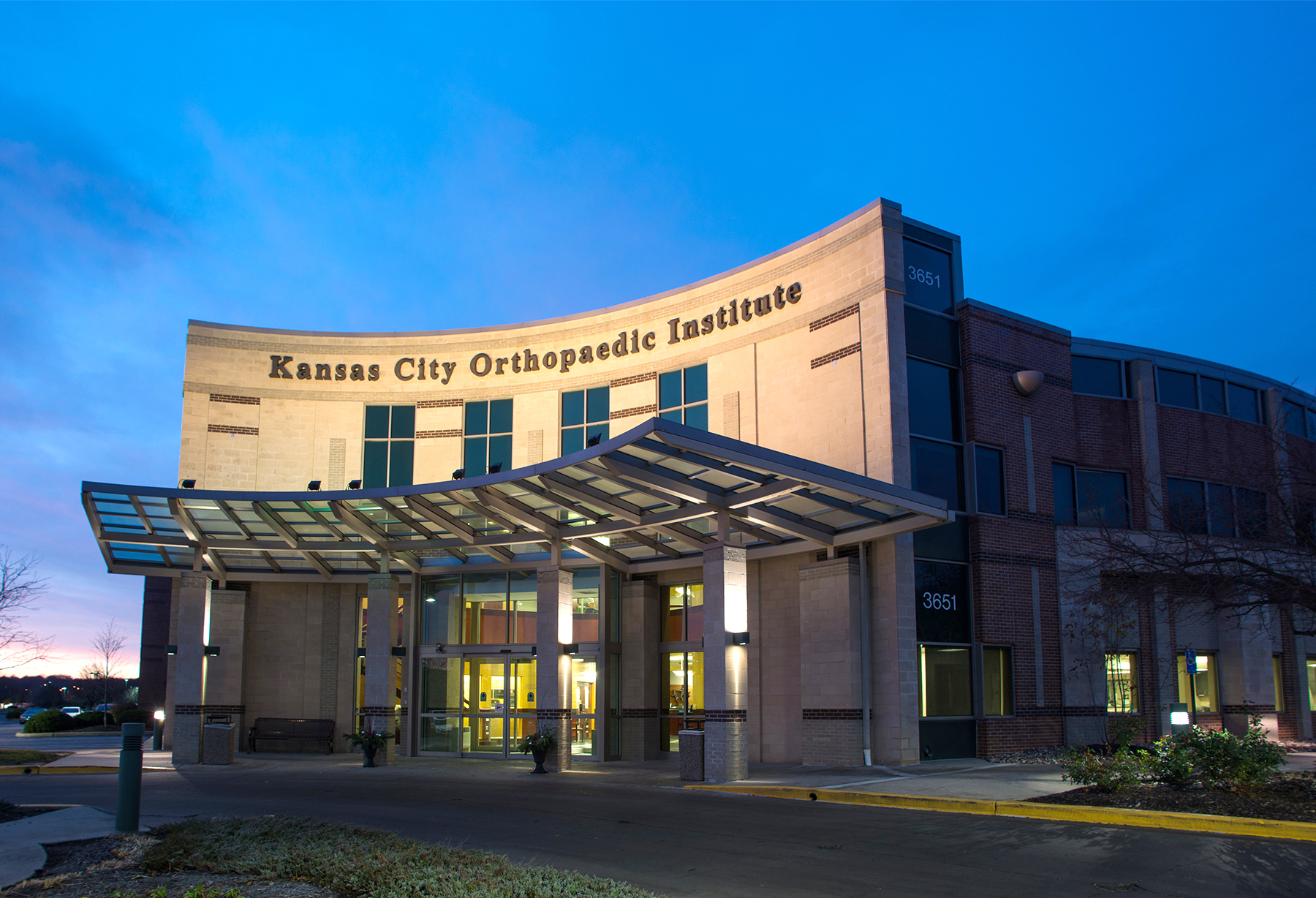
LEAWOOD, Kan. (Oct. 2, 2026) — Kansas City Orthopedic Alliance (KCOA) is proud to announce the addition of two surgeons to its practice, Dr. Brant Ansley and Dr. Brock Knapp. Both surgeons are valuable and critical additions to the regional medical community, offering specialized expertise in their respective fields. Both physicians are on staff at Kansas City Orthopaedic Institute (KCOI).
Dr. Ansley is one of only a handful of dedicated and specialized orthopedic spine surgeons serving metropolitan Kansas City, filling a critical role in providing advanced surgical and nonoperative treatments for a wide variety of conditions affecting the back and spine. He will be the second orthopedic spine surgeon on staff at KCOA, partnering directly with Dr. Theodore Koreckij to elevate the practice’s capacity to deliver comprehensive, leading-edge spinal care to patients across the Midwest.
“We are thrilled to welcome Dr. Ansley to our practice,” said Shawna Haggerty, Chief Operating Officer at KCOA. “His commitment to compassionate, high-quality care aligns perfectly with our mission to serve the Kansas City region. Our patients will benefit greatly from his expertise and warm approach to medicine.”
In addition to his clinical practice, Dr. Ansley is an active contributor to literature that advances orthopedic science. His recent clinical research—conducted alongside Dr. Koreckij and other esteemed colleagues—includes co-authoring peer-reviewed studies in the International Journal of Spine Surgery and Spine. His research focuses on critical patient safety outcomes, including implant surface technologies to prevent surgical site infections and evaluating the long-term safety of novel spine devices.
Dr. Knapp is a dedicated orthopedic sports medicine surgeon, specializing in advanced surgical and nonoperative treatments for a wide variety of athletic injuries and conditions affecting the musculoskeletal system. Dr. Knapp brings specialized expertise in athletic injury prevention, conditioning, and rehabilitation. He joins KCOA to elevate the practice’s capacity to deliver comprehensive, leading-edge sports medicine care to patients across the Midwest.
“We are incredibly excited to add Dr. Knapp to our roster of talented providers,” said Shawna Haggerty, Chief Operating Officer at KCOA. “His dedication to personalized, top-tier care is a seamless fit with our goal of serving the greater Kansas City area. We know our patients will appreciate his specialized skill set and his welcoming, patient-first philosophy.”
When he is not seeing patients, Dr. Knapp is actively engaged in writing and publishing work that shapes the future of the specialty. His recent clinical research—co-authoring peer-reviewed studies in publications such as Current ReviewsinMusculoskeletal Medicine and The Iowa Orthopaedic Journal—focuses on critical sports medicine outcomes, including return-to-play protocols for athletic populations following knee cartilage transplantation and complication predictions following fracture repairs.
Dr. Ansley and Dr. Knapp are currently accepting new patients. For more information or to schedule an appointment with Dr. Ansley or Dr. Knapp, please visit the KCOA website or call 913-319-7600.
At Kansas City Orthopaedic Institute (KCOI), every treatment plan starts with a simple question: what do you want to get back to? Whether that’s returning to the golf course, keeping up with your kids, or simply walking without pain, our mission has always been to align expert orthopedic treatment with the goals that matter most to you.
This year, that mission means something extra. KCOI is celebrating 10 years of Kansas City orthopedic urgent care, a decade of helping patients skip the ER wait and get straight to the orthopedic specialists who treat bones, joints, and muscles every single day.
A Decade of Getting Kansas City Back to What It Loves
When KCOI opened the doors to its Ortho Urgent Care ten years ago, the idea was simple: orthopedic injuries deserve orthopedic treatment, not a general emergency room queue. A decade later, that idea has become a trusted resource for thousands of Kansas City families dealing with:
Post-activity soreness that isn’t going away on its own
Ten years in, the results speak for themselves: faster diagnoses, shorter wait times, and a team of orthopedic specialists who focus exclusively on the musculoskeletal system. What started as a single urgent care concept has grown into a cornerstone of how Kansas City handles orthopedic emergencies, big and small.
In the 10 years, we have served 57,778 urgent care patients.
Why “Your Goals” Come First
Orthopedic treatment isn’t one-size-fits-all, and it shouldn’t be treated that way. A weekend athlete recovering from a knee injury has different goals than a grandparent hoping to garden pain-free again. That’s why every KCOI visit, urgent or scheduled, starts with understanding your definition of getting better.
Our approach means:
Listening first. Before we talk treatment, we talk about your life, your activities, and what “recovery” looks like for you.
Right-sizing care. From urgent care visits to surgical consultations, we match the level of care to the actual injury, not the other way around.
Keeping you moving. Our goal is always the fastest safe path back to what you love doing.
This philosophy shapes everything from how our front desk greets you to how our orthopedic specialists explain a diagnosis. It’s not just about fixing a fracture; it’s about understanding what that fracture is keeping you from doing.
Orthopedic Treatment for Every Part of the Body
Orthopedic injuries and conditions can affect any joint, bone, or muscle group, and each area calls for its own approach to diagnosis and treatment. That’s why KCOI’s orthopedic specialists cover the full range of the musculoskeletal system, including the:
Each of these areas carries its own recovery timeline, treatment approach, and long-term considerations, which is exactly why having orthopedic specialists on-site for urgent care matters. A general urgent care clinic can address the immediate injury and send you home with a referral. KCOI can diagnose it, treat it, and, if needed, connect you directly to the surgical or rehabilitation team best suited to your specific injury, often in the same visit.
What Makes KCOI Urgent Care Different
Unlike a standard urgent care clinic, KCOI’s urgent care is staffed and equipped specifically for orthopedic treatment. That means:
On-site X-ray and imaging
Direct access to orthopedic specialists, not just referrals
No appointment necessary for most injuries
Seamless transition to follow-up or surgical care if needed
After ten years, this model has proven what we believed from day one: when urgent care is orthopedic-specific, patients heal faster and worry less. There’s no guessing whether you need a specialist; you’re already with one.
A Milestone Built on Patient Trust
Anniversaries like this one aren’t really about the clinic; they’re about the people who trusted us to get them back to what matters. Over the past ten years, that has meant treating weekend warriors after a bad landing on the basketball court, helping a parent get back on their feet in time for their kid’s recital, and supporting patients through everything from a sprained ankle to a complex hip fracture.
Ten years of urgent care also means ten years of learning what Kansas City needs from its orthopedic specialists: speed, expertise, and a team that treats each goal as seriously as the injury itself.
As KCOI celebrates this milestone, our mission remains unchanged even as Kansas City grows. Whether you’re a lifelong patient or walking through our doors for the first time, the promise is the same: your goals shape your orthopedic treatment, and our team is here to help you reach them. The next decade will bring new advances in orthopedic treatment, but the foundation, listening first and treating with purpose, will stay exactly the same.
Frequently Asked Questions
What is the difference between KCOI urgent care and a hospital ER for an orthopedic injury?
KCOI’s urgent care is staffed by orthopedic specialists and equipped with on-site imaging specifically for bone, joint, and muscle injuries. For non-life-threatening orthopedic injuries, this typically means shorter wait times and a more direct path to treatment than a general emergency room, which handles all types of medical emergencies.
Do I need an appointment for KCOI’s urgent care?
No. Most orthopedic injuries treated at KCOI’s urgent care are seen on a walk-in basis, so you can get orthopedic treatment as soon as you need it. But,we know the last thing you want to do is spend your time in a waiting room.
Patients may be seen with an appointment (using Save Your Spot or call ahead), or by walking in on Monday-Friday.
On weekends, walk-in patients are welcome!
What injuries does KCOI’s urgent care treat?
Common cases include fractures, sprains, dislocations, sports injuries, and sudden joint pain or swelling. Our orthopedic specialists are equipped to diagnose and begin treatment for most musculoskeletal injuries in a single visit.
How long has KCOI offered Kansas City orthopedic urgent care?
KCOI is celebrating 10 years of dedicated urgent orthopedic care in Kansas City, a decade of connecting patients directly with orthopedic specialists rather than a general urgent care or ER queue.
Will I need to see a specialist again after my urgent care visit?
It depends on the injury. Many patients recover fully after urgent care treatment alone, while others, particularly with fractures or complex injuries, are seamlessly connected to KCOI’s orthopedic specialists for follow-up or surgical care within the same network.
What should I bring to an urgent care visit at KCOI?
Bring a photo ID, insurance information if applicable, and a list of any current medications. If you have prior imaging or medical records related to the injury, those can help our orthopedic specialists move faster on your treatment plan.
Experiencing an orthopedic injury, or looking for Kansas City orthopedic urgent care you can trust? Contact KCOI today and let us help you get back to what matters most.
Understanding Osteoarthritis: What It Is, How It Affects You, and When to Seek Advanced Orthopedic Care
Osteoarthritis is one of the most common joint conditions in the United States, affecting approximately 33 million adults according to the CDC. It’s especially prevalent in older adults, with more than half of people aged 75 and older having diagnosed arthritis or osteoarthritis.
Although there is no cure for osteoarthritis, modern orthopedic medicine offers a full continuum of care, from conservative symptom management to advanced surgical solutions, for patients living with joint pain, stiffness, swelling, and reduced mobility.
At Kansas City Orthopaedic Institute (KCOI), patients have access to an orthopedic team equipped with the surgical expertise, advanced imaging, and specialized resources to manage osteoarthritis at every stage, including cases that require more than routine outpatient care.
Understanding how osteoarthritis develops, how it progresses, and when it’s time to escalate care can help you make informed decisions about your treatment path.
What Is Osteoarthritis?
Osteoarthritis is a degenerative joint disease that occurs when the protective cartilage between your bones gradually wears down. Over time, this can lead to pain, stiffness, swelling, and reduced mobility. Osteoarthritis is most common in the knees, hips, hands, and spine, but it can potentially affect almost any joint.
The condition develops slowly, often over many years, and for many patients it eventually progresses beyond what conservative treatment alone can manage. That’s where KCOI comes in: our orthopedic surgeons are here to help.
Common Osteoarthritis Symptoms
Osteoarthritis symptoms vary from person to person, but most people notice changes that gradually become more noticeable over time. You might experience:
Joint pain during or after movement
Morning joint stiffness that improves as the day goes on
Swelling around the affected joint
Reduced flexibility or difficulty fully moving the joint
A grating or clicking sensation when the joint moves
Tenderness when pressing around the joint
Symptoms often worsen with age and can be influenced by previous injuries, repetitive stress, or genetic factors. When these symptoms progress to the point where they significantly limit your mobility or daily function, KCOI is positioned to evaluate whether advanced treatment, including joint preservation or replacement, is appropriate.
Why Does Osteoarthritis Happen?
Osteoarthritis is often the result of natural wear and tear, but several factors can increase your risk:
Age: Risk increases as you get older
Gender: Women are more likely to develop osteoarthritis
Previous injuries: Even old injuries can contribute
Repetitive movements: Jobs or activities that stress the joints
Genetics: Family history can play a role
Weight: Extra weight adds stress to weight‑bearing joints
Bone deformity: Some people are born with abnormal cartilage or joints
Metabolic conditions: Hemochromatosis and diabetes can cause osteoarthritis
A precise understanding of what’s driving your osteoarthritis is essential when advanced treatment is on the table. KCOI’s diagnostic imaging helps your physician pinpoint the extent of joint damage before recommending a course of action.
How Osteoarthritis Progresses Toward Surgical Care
For many patients, osteoarthritis is manageable for years with conservative treatment. But as cartilage continues to break down, some patients reach a point where pain, stiffness, and loss of mobility no longer respond to medication, injections, or physical therapy alone.
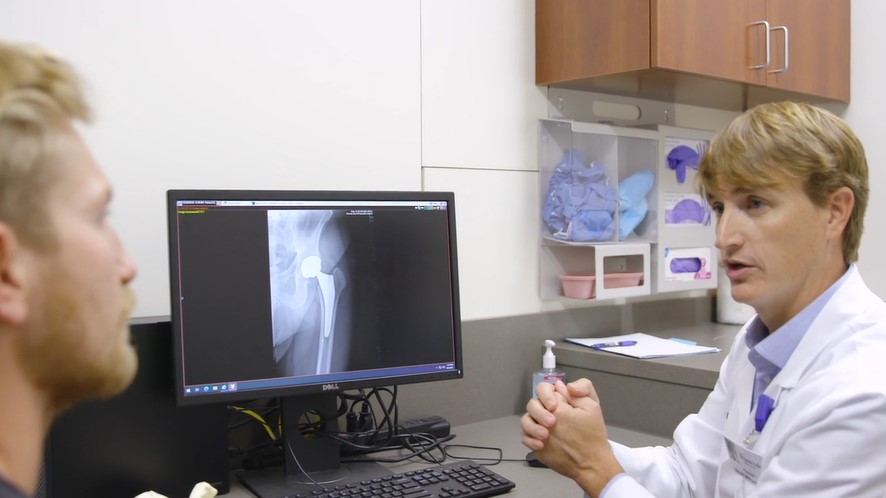
Unlike outpatient clinical care alone, KCOI offers the full infrastructure of a dedicated orthopedic hospital: surgical suites, inpatient recovery support, specialized rehabilitation, and fellowship-trained surgeons who perform advanced procedures daily.
When to Seek Advanced Orthopedic Care
Many patients delay escalating their care because they aren’t sure when conservative treatment has run its course. Consider connecting with a KCOI specialist if:
Your pain is persistent or steadily getting worse despite treatment
Conservative options — medication, injections, physical therapy — no longer provide relief
Imaging shows significant joint damage or bone-on-bone contact
Your mobility has declined to the point of affecting independence
You and your provider are discussing joint replacement or another surgical option
Getting a timely evaluation from a surgical team can help you understand your options before joint damage progresses further.
Osteoarthritis Treatments Available at KCOI
Because osteoarthritis affects everyone differently, treatment at KCOI spans the full spectrum of care — coordinated within a hospital setting that can move from diagnosis to procedure without unnecessary delay.
Conservative and Non-Surgical Management
For earlier-stage osteoarthritis, KCOI providers may recommend:
When conservative treatment isn’t enough, but a full joint replacement isn’t yet necessary, KCOI’s surgical team offers minimally invasive options designed to relieve pain and preserve joint function.
Joint Replacement Surgery
For advanced osteoarthritis, joint replacement — including knee, hip, and shoulder replacement — is one of the most effective treatments available. KCOI’s hospital setting allows for coordinated surgical planning, inpatient recovery, and integrated post-operative rehabilitation, all in one place.
Post-Surgical Rehabilitation
Recovery doesn’t end at surgery. KCOI’s rehabilitation and physical therapy teams work with patients through every stage of recovery to restore strength, mobility, and confidence.
A Coordinated, Hospital-Based Approach
Osteoarthritis treatment isn’t a single decision; it’s an evolving process. The Arthritis Foundation notes that combining multiple treatment strategies often leads to the best outcomes for managing osteoarthritis symptoms over time — and for patients whose condition progresses toward surgery, having that continuum of care under one roof matters. KCOI is proud to financially support our local Kansas chapter of Arthritis Foundation.
Why Choose Kansas City Orthopaedic Institute?
KCOI is a dedicated orthopedic hospital built to support patients through the most advanced stages of joint disease. When osteoarthritis progresses beyond what outpatient care can manage, KCOI provides:
Fellowship‑trained orthopedic surgeons
On-site advanced imaging and diagnostics
Dedicated surgical suites for joint procedures
Inpatient recovery and coordinated rehabilitation
A hospital-level team built for complex and advanced cases
If your osteoarthritis symptoms have progressed beyond what conservative care can manage, you don’t have to navigate that decision alone. Contact us for any questions about your full range of treatment options, from minimally invasive care through joint replacement.
When an injury sidelines you or joint pain starts limiting the things you love to do, you want more than a diagnosis. That is likely when you start looking for advanced orthopedic care in Kansas City. You want a team that has performed the procedure before, refined the technique, and knows exactly how to get you back to your life. That is the standard of orthopedic care at Kansas City Orthopaedic Institute (KCOI), where advanced surgical technology and deep clinical experience come together under one roof.
KCOI was built around a simple idea: outcomes improve when innovation and expertise work side by side. From the first consultation through post-operative recovery, patients benefit from a surgical program shaped by some of the region’s most experienced Kansas City orthopedic surgeons, supported by a facility purpose-built for orthopedic procedures.
A Dedicated Home for Orthopedic Surgery
Unlike a general hospital surgical floor juggling every specialty at once, KCOI is designed exclusively around orthopedic procedures. That focus is apparent in everything from the surgical suites to the recovery process. Every protocol, every piece of equipment, every orthopedic surgeon, and every staff member’s training is oriented around one goal: expert orthopedic care, delivered efficiently and safely in the Kansas City area and beyond.
This specialization allows KCOI to offer streamlined scheduling, shorter wait times, and a surgical environment fine-tuned for orthopedic recovery, rather than adapted from a one-size-fits-all model.
Advanced Techniques, Proven Results
Orthopedic medicine has changed dramatically in the past decade, and KCOI has kept pace. Minimally invasive techniques, computer- and robotic-assisted joint replacement, and evidence-based rehabilitation protocols all play a role in how procedures are performed today. These advances mean smaller incisions, less tissue disruption, and often a faster return to daily activity.
Behind every one of these techniques is a surgeon who has trained extensively in that specific approach. The orthopedic surgeons who perform procedures at KCOI bring fellowship-level training across joint replacement, sports medicine, spine, hand and upper extremity, and more; so patients are matched with a surgeon whose expertise fits their specific condition.
A Patient Experience Built Around You
Surgery is only one part of the orthopedic journey. What happens before and after the procedure matters just as much. KCOI’s care teams walk patients through what to expect at every stage, from pre-operative planning and anesthesia consultation to physical therapy and long-term follow-up.
That level of communication and continuity is part of what sets KCOI apart. Patients are not handed off between departments; they are guided by a coordinated team that understands the full picture of their recovery.
Why Expertise and Innovation Have to Work Together
New technology alone does not guarantee a good outcome, and experience alone cannot overcome outdated tools. The two have to work in tandem. That is the philosophy driving KCOI’s investment in both its surgical technology and its physician team. Innovation gives surgeons better tools to work with, while expertise ensures those tools are used with precision and judgment earned through years of practice.
This combination is why so many patients throughout the region choose KCOI when they search for advanced orthopedic care in Kansas City.
A Team Approach to Every Procedure
Successful orthopedic surgery rarely comes down to a single orthopedic surgeon in an operating room. It is the product of a coordinated team: surgeons, anesthesiologists, surgical nurses, and rehabilitation specialists all working from the same playbook. At KCOI, that team is assembled specifically around orthopedic cases, which means everyone involved in a procedure understands the nuances of joint mechanics, soft tissue healing, and post-surgical mobility.
Advanced imaging, 3D surgical planning, and robotic-assisted platforms have transformed what is possible in joint replacement and reconstructive surgery. These tools give surgeons a clearer picture of a patient’s unique anatomy before they ever make an incision, allowing for implants that are sized and positioned with greater precision than traditional methods.
At KCOI, this technology is treated as a tool in service of clinical judgment, not a replacement for it. Surgeons still rely on years of hands-on experience to interpret what the imaging shows and to make real-time decisions during a procedure. The result is a surgical process where cutting-edge equipment and seasoned expertise reinforce one another rather than working in isolation.
Recovery Designed for Long-Term Success
The work does not end when a procedure is complete. How a patient recovers in the days and weeks after surgery often determines how well they regain strength, range of motion, and confidence in the joint or limb that was treated. KCOI’s post-operative protocols are built around current research on pain management, early mobilization, and physical therapy timing.
Patients leave the operating room with a clear recovery plan, not a generic set of instructions. That plan accounts for the specific procedure performed, the patient’s overall health, and their personal goals, whether that means returning to a physically demanding job, getting back on the golf course, or simply being able to walk without pain.
Serving the Greater Kansas City Region
Patients travel from across the metro and beyond to access the level of surgical specialization available at KCOI. That regional reputation has been built procedure by procedure, as physicians throughout the area continue to refer patients who need a dedicated orthopedic surgical setting. It is a reflection of consistent outcomes and a facility that has stayed focused on doing one thing extremely well.
Take the Next Step
If joint pain, an injury, or a chronic orthopedic condition is affecting your quality of life, the right next step is a conversation with an orthopedic surgeon who can walk you through your options. KCOI’s team is ready to help you understand your diagnosis, your treatment path, and what recovery will look like.
If you are looking for advanced orthopedic care in Kansas City, visit KCOI’s Contact Us page to reach out.
Most people don’t think about injury prevention until after they’ve already been sidelined by a sprain, strain, or overuse injury. By then, the conversation has shifted from prevention to recovery. If you are looking for an orthopedic specialist in Kansas City and the surrounding area, you’re in the right place. At Kansas City Orthopedic Institute (KCOI), we believe the most effective care doesn’t start after an injury; it starts long before, with a proactive approach to injury prevention that keeps you moving, active, and pain-free.
Injury prevention isn’t just for elite athletes. Weekend warriors, active parents chasing kids around the yard, office workers who sit most of the day, and older adults who want to stay independent all benefit from the same principle: identifying risk factors early and addressing them before they become a diagnosis. That philosophy shapes everything we do at KCOI, from patient education to surgeries to physical therapy.
How Common Orthopedic Injuries Start
Understanding how injuries actually happen is the first step toward preventing them. Many of the sprains, strains, and joint injuries we treat at KCOI didn’t come out of nowhere. They were the result of small warning signs that went unaddressed: a knee that felt slightly unstable during a run, a shoulder that ached after every workout, or tight hips that quietly shifted the mechanics of every step. Left unchecked, these minor issues compound over time and eventually lead to acute injuries that bring patients through our doors.
Some of the most common injuries linked to preventable risk factors include ACL and meniscus tears, rotator cuff strains,tennis and golfer’s elbow, stress fractures, and lower back strain from poor lifting mechanics. In nearly every case, our team can point to modifiable factors, muscle imbalances, limited flexibility, poor movement patterns, inadequate warm-up routines, or simply doing too much too soon, that contributed to the injury. This is exactly where proactive care makes the biggest difference.
Our Approach: Assessment, Education, and Programming
At KCOI, our approach to injury prevention centers on three pillars: assessment, education, and individualized programming.
We assess.
Movement screenings allow our physical therapy team to spot imbalances and mechanical red flags before they turn into injuries. A screening might reveal that a runner’s hip weakness is placing extra strain on their knee, or that a golfer’s limited thoracic rotation is putting undue stress on their lower back. These insights let us build a prevention plan tailored to the individual rather than a generic list of stretches.
We educate.
Prevention only works if patients understand why certain habits matter. Our team walks patients through proper warm-up routines, safe lifting mechanics, and the importance of gradually increasing training load rather than jumping into a new activity at full intensity. We also talk openly about recovery: sleep, hydration, and rest days are just as much a part of staying injury-free as any exercise.
We program.
Whether it’s a home exercise routine, a structured strength and conditioning plan, or ongoing physical therapy Kansas City clients can build into their week, our goal is to build resilience in the muscles and joints most at risk.
The Role of Physical Therapy in Injury Prevention
Physical therapy is often thought of as something you do after an injury, but at KCOI it plays just as important a role beforehand. Preventive physical therapy sessions focus on correcting the small mechanical issues, a weak glute, a stiff ankle, poor shoulder mobility, that so often set the stage for bigger problems down the road. Athletes preparing for a new season, workers returning to physically demanding jobs, and active adults resuming exercise after time off all benefit from a check-in focused specifically on injury prevention rather than treatment.
Learn more about our full range of services at KCOI.com.
Practical Injury Prevention Tips You Can Start Today
While a personalized plan from our team offers the most complete approach, there are steps anyone can take today:
Warm up dynamically before activity, rather than relying on static stretching alone.
Increase training intensity and duration gradually, following the general rule of no more than a 10% increase per week.
Strengthen the muscles that stabilize your joints, particularly the hips, core, and shoulders.
Prioritize recovery, including sleep and rest days, as an active part of your training plan.
Pay attention to pain that lingers beyond 48 hours; it’s often an early signal worth having evaluated rather than pushed through.
These small, consistent habits form the foundation of injury prevention, and they’re the same principles our physical therapists reinforce with every patient.
Frequently Asked Questions
What is injury prevention?
Injury prevention refers to the assessments, education, and training strategies used to identify and address risk factors before an injury occurs, rather than treating an injury after the fact.
Who should get a movement screening?
Athletes starting a new season, adults returning to exercise, workers in physically demanding jobs, and anyone with a history of recurring pain can benefit from a movement screening.
Does KCOI offer physical therapy in Kansas City for injury prevention specifically?
Yes. Our physical therapy Kansas City programs are designed for patients who want to stay ahead of pain, not just recover from it.
Start Your Injury Prevention Plan Today
Injury prevention is one of the most valuable investments you can make in your long-term mobility and quality of life. Whether you’re an athlete, a busy parent, or simply someone who wants to stay active without setbacks, KCOI is here to help you build a proactive plan tailored to your body and your goals.
When it comes to orthopedic surgery in Kansas City, one name consistently rises to the top, not just locally, but nationally. Kansas City Orthopaedic Institute (KCOI), located in Leawood, Kansas, has earned an impressive collection of awards and recognitions that reflect what patients and healthcare experts alike already know: KCOI delivers exceptional care, exceptional outcomes, and an exceptional experience from the moment you walk through the door.
The accolades are not incidental. They are the result of more than two decades of deliberate, patient-centered practice at Kansas City’s only hospital dedicated exclusively to orthopedics. Here is a closer look at what those awards mean, why they matter, and what they say about the care you can expect at KCOI.
Kansas City’s Only Dedicated Orthopedic Hospital
KCOI opened in January 2000 with a singular focus: provide expert, innovative orthopedic and musculoskeletal care to the Kansas City region. That focus has never wavered. As a physician-owned specialty hospital and joint venture with Saint Luke’s Health System Kansas City, KCOI operates with both the accountability of physician ownership and the resources of a trusted regional health system.
The facility itself reflects that commitment. KCOI features 17 inpatient suites, 8 operating rooms, onsite MRI and imaging, an onsite Ortho Urgent Care, pain management services, and outpatient rehabilitation therapy, all under one roof. The hospital also maintains a 1:2 nurse-to-patient ratio, a staffing standard that directly contributes to the high patient satisfaction scores and safety outcomes for which KCOI has become nationally recognized.
Healthgrades: Top-Ranked for Orthopedic Surgery in Kansas City and Beyond
Healthgrades evaluates hospital performance using objective quality measures, including clinical outcomes, patient safety, and patient experience. KCOI’s track record with Healthgrades is one of the strongest in the country.
In 2026, KCOI was ranked #1 in Kansas for Joint Replacement, a recognition that underscores its dominance in joint replacement Kansas City patients have come to rely on.
KCOI has also earned the Healthgrades award for America’s 100 Best Hospitals for Joint Replacement Award for five consecutive years (2022 through 2026), placing it among the top 1% of hospitals in the nation for this procedure. The Joint Replacement Excellence Award has been awarded every year from 2020 through 2026, with KCOI named among the top 5% in the nation for joint replacement since 2022.
Perhaps most striking is KCOI’s longevity in earning the highest possible rating for specific procedures. KCOI has been a 5-Star Recipient for Total Knee Replacement for 19 consecutive years (2008 through 2026), and a 5-Star Recipient for Total Hip Replacement for 19 consecutive years (2008 through 2026). That kind of sustained excellence is rare, and it speaks to a consistency of surgical skill, team expertise, and patient care that goes far beyond a single good year. KCOI is one of only three hospitals in the Kansas City metro to achieve superior clinical outcomes in both knee and hip replacement.
For patients considering orthopedic surgery in Kansas City, those 19 consecutive 5-star ratings represent something meaningful: a hospital where surgical excellence is not an exception. It is the standard.
Patient Safety: Nationally Recognized, Year After Year
KCOI has received the Healthgrades Patient Safety Excellence Award four years in a row (2023, 2024, 2025, and 2026), placing it among the top 5% of hospitals in the nation for preventing infections, medical errors, and other preventable complications.
Patient safety is not a marketing talking point at KCOI. It is built into every protocol, every staffing decision, and every interaction between care team members and patients. The 1:2 nurse-to-patient ratio is one tangible example of how KCOI structures its operations around safety, ensuring that nurses have the time and bandwidth to catch concerns early and respond quickly.
Outstanding Patient Experience: A Top 5% Performer Since 2020
KCOI has earned the Healthgrades Outstanding Patient Experience Award every year from 2020 through 2026, seven consecutive years, placing it consistently among the top 5% in the nation for overall patient experience.
That award is evaluated across ten measures, including how well doctors and nurses communicate, hospital cleanliness and noise levels, and the quality of medication and post-discharge care instructions. For patients navigating orthopedic surgery in Kansas City, these factors matter enormously. Recovery begins in the hospital, and the environment, communication, and follow-through of the care team directly influence outcomes.
The results of the CMS HCAHPS Patient Survey reinforce this record. The survey, which polls recently discharged patients, summarizes patient experience – one important aspect of hospital quality. The star rating given measures patient experiences, based on responses about important topics such as how well nurses and doctors communicated, how responsive hospital staff were to patient needs, and the cleanliness and quietness of the hospital environment.
KCOI earned a 5-star rating for Patient Experience in both 2023 and 2024, and a 5-star rating for Cleanliness in 2025. KCOI is the only patient-rated 5-star hospital in the Kansas City metro and one of only two hospitals across Kansas and Missouri to achieve that distinction. It has also been recognized as a Top Hospital for Nurse Communication four years running (2022 through 2025), the only hospital in the KC metro to earn that recognition.
Press Ganey: The Only Recognized Hospital in the KC Metro
Press Ganey, a leading healthcare performance measurement organization, has honored KCOI with its Human Experience Guardian and Pinnacle of Excellence Awards for Patient Experience in 2019, 2020, 2021, 2022, 2024, and 2025. These awards recognize healthcare organizations that consistently lead across patient experience, employee and physician engagement, clinical quality, and safety.
KCOI is the only hospital in the Kansas City metro to receive this recognition, a distinction that reflects not just performance in a single year but a sustained organizational commitment to excellence across every dimension of care.
Recognizing the People Behind the Awards
Awards reflect institutions, but they are earned by people. In 2024, Dr. Charles Rhoades was named an Ingram’s Magazine Heroes in Healthcare honoree, a recognition that honors healthcare professionals making a meaningful difference in the Kansas City community. His inclusion in that group is a reminder that KCOI’s national recognition is built on the expertise, dedication, and character of the physicians and staff who show up every day for their patients.
What This Means for You
Whether you are exploring joint replacement Kansas City options, recovering from a sports injury, or seeking a second opinion on a musculoskeletal condition, KCOI’s record of national recognition gives you something that is hard to find: objective, third-party confirmation that this is a place where outcomes are excellent, safety is taken seriously, and patients consistently report feeling well cared for.
When you need orthopedic surgery in Kansas City, the awards tell part of the story. The patients who return, refer their families, and rate their experience at the highest possible level tell the rest.
When someone is facing joint replacement, spine surgery, or a serious musculoskeletal injury, the quality of their care doesn’t just come down to who is in the operating room — it comes down to the tools, systems, and environment surrounding them. At Kansas City Orthopaedic Institute (KCOI), orthopedic technology isn’t a buzzword. It’s the foundation of everything we do.
As Kansas City’s only hospital dedicated exclusively to orthopedics, KCOI has built its model around one principle: when you focus on a single specialty, you can invest more deeply in the tools and staff that make a real difference for patients. That focus produces clinical outcomes and patient satisfaction scores that consistently rank among the best in the region.
Robotics That Work With Your Surgeon
One of the most significant advances in orthopedic technology over the past decade is robotic-assisted surgery — and not all systems are created equal. KCOI uses Mako SmartRobotics™, a Stryker platform that allows surgeons to create a personalized 3D model of each patient’s anatomy before a single incision is made. During joint replacement procedures, Mako guides surgical instruments within pre-defined boundaries, helping protect surrounding tissue and improving implant placement precision.
Patients often ask: Is robotic knee replacement better than traditional surgery? The clinical evidence consistently points toward improved implant alignment, less soft tissue disruption, and faster recovery times, all of which directly shape the orthopedic patient experience. What makes Mako particularly powerful at KCOI is the context in which it’s used: a dedicated orthopedic hospital where every nurse, therapist, and technician is trained specifically to support joint replacement patients before, during, and after surgery.
Note: Not all procedures are appropriate for robotic-assisted surgery, and not all surgeons choose to use this tool. Read more about our doctors that perform Mako at KCOI including Dr. Ting, Dr. Wingerter, and Dr. Peer.
Imaging That Starts the Answer Before Surgery
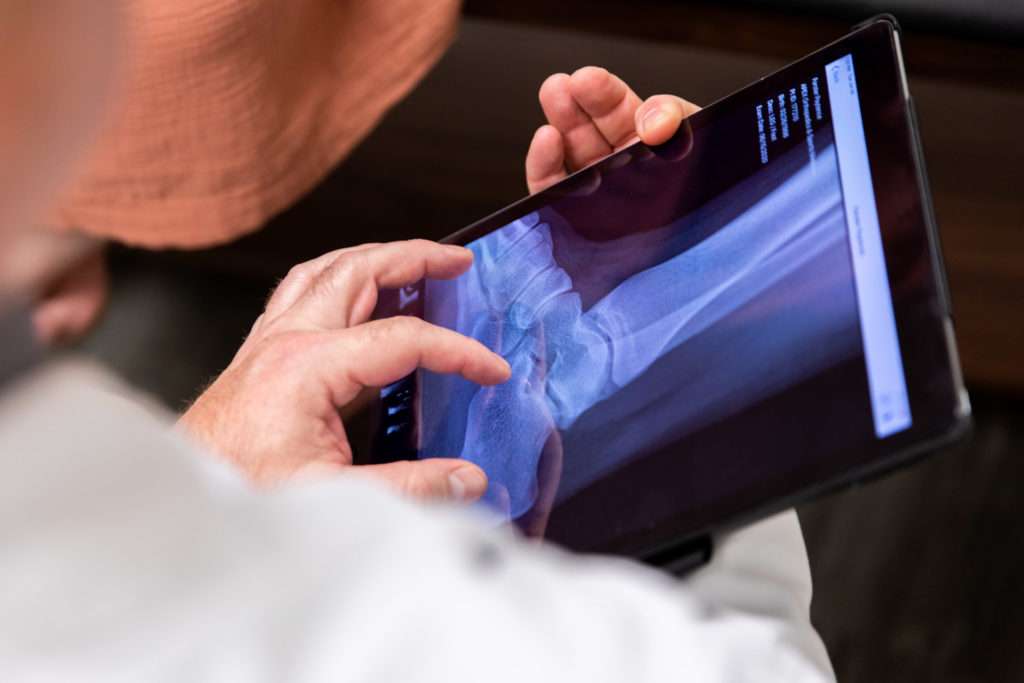
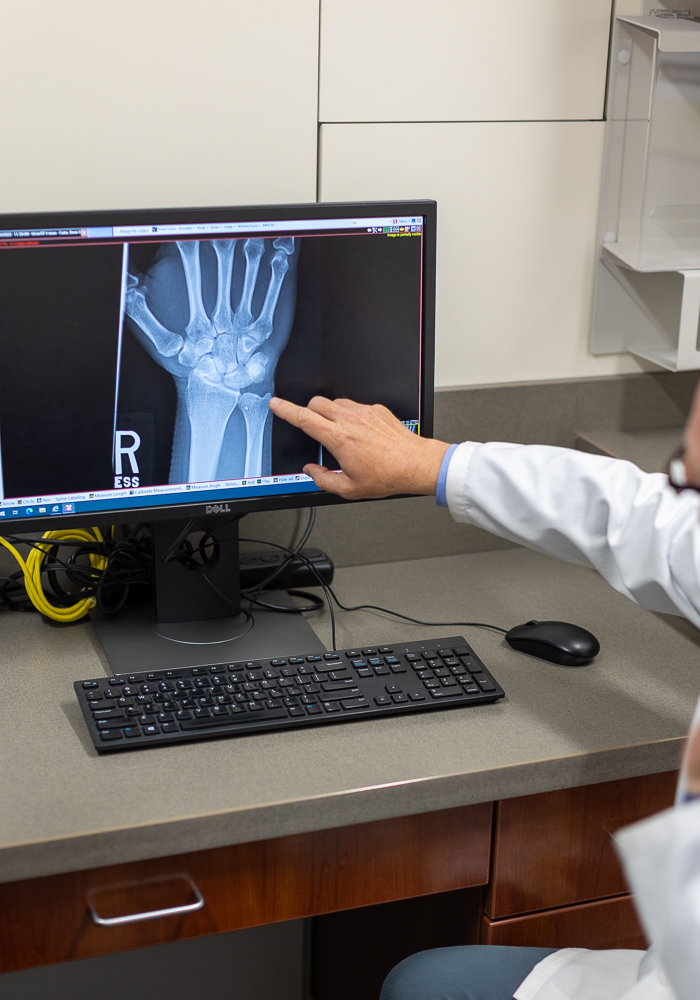
Accurate diagnosis drives accurate treatment. Delayed or incomplete imaging leads to delayed or incomplete care. KCOI’s on-site diagnostic imaging, including MRI and X-ray, means patients aren’t sent to a separate facility and told to wait days for results. Everything happens under one roof, reducing delays and keeping the entire care team aligned from the moment of diagnosis through the final stages of recovery.
This integration matters most for conditions where imaging nuance is critical: cartilage damage, labral tears, stress fractures, nerve compression, and spinal stenosis. The faster and more precisely these are identified, the sooner the right treatment, whether conservative management or surgery, can begin.
Pain Management That Reduces Opioid Dependency
Modern orthopedic care increasingly relies on multimodal pain management: combining regional nerve blocks, anti-inflammatory protocols, and targeted interventional spine and pain management to reduce post-operative pain without defaulting to opioids.
At KCOI, pain management is built into the surgical experience from day one — not added on as an afterthought.
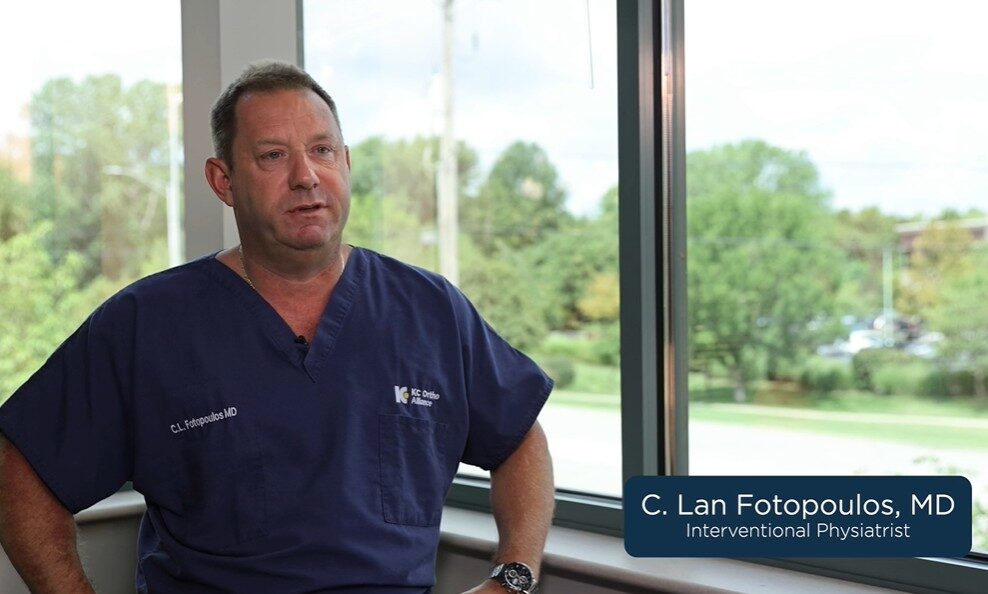
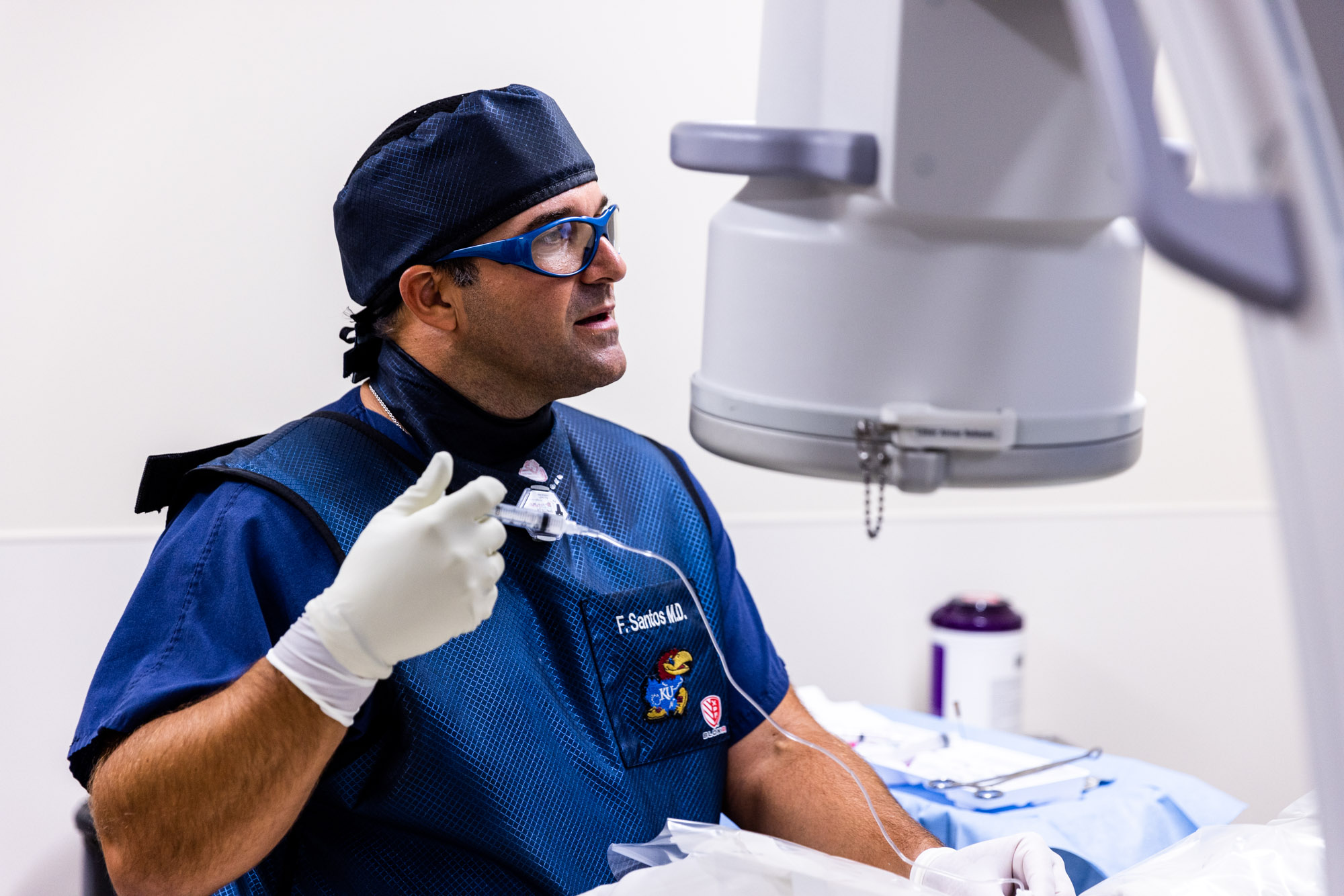
KCOI’s interventional physiatrists, Dr. Fotopuloulos and Dr. Santos develop pain management plans that are specific to the patient, the procedure, and the recovery trajectory — not a generic protocol applied uniformly across cases.
Rehabilitation Built Into the Same Facility
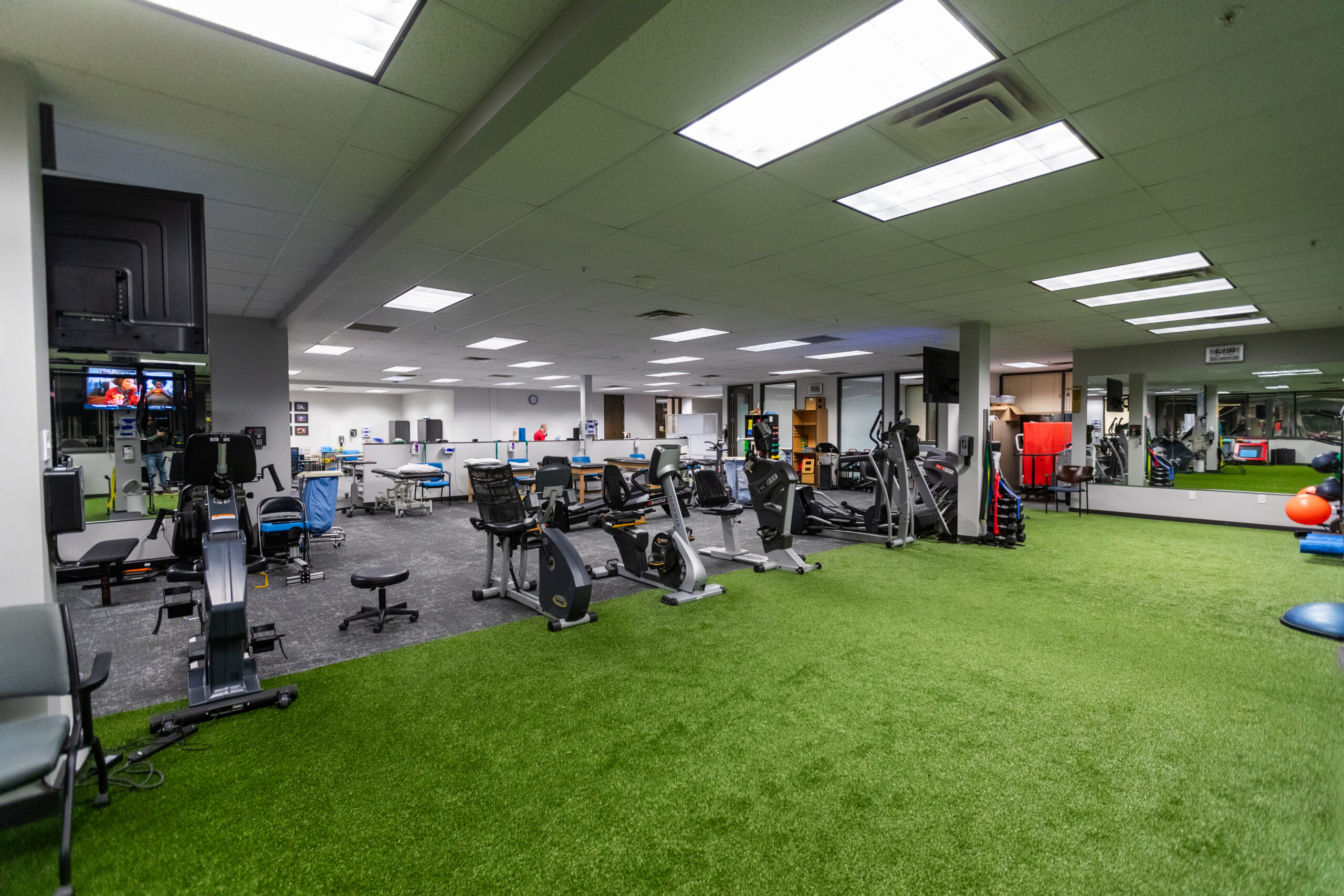
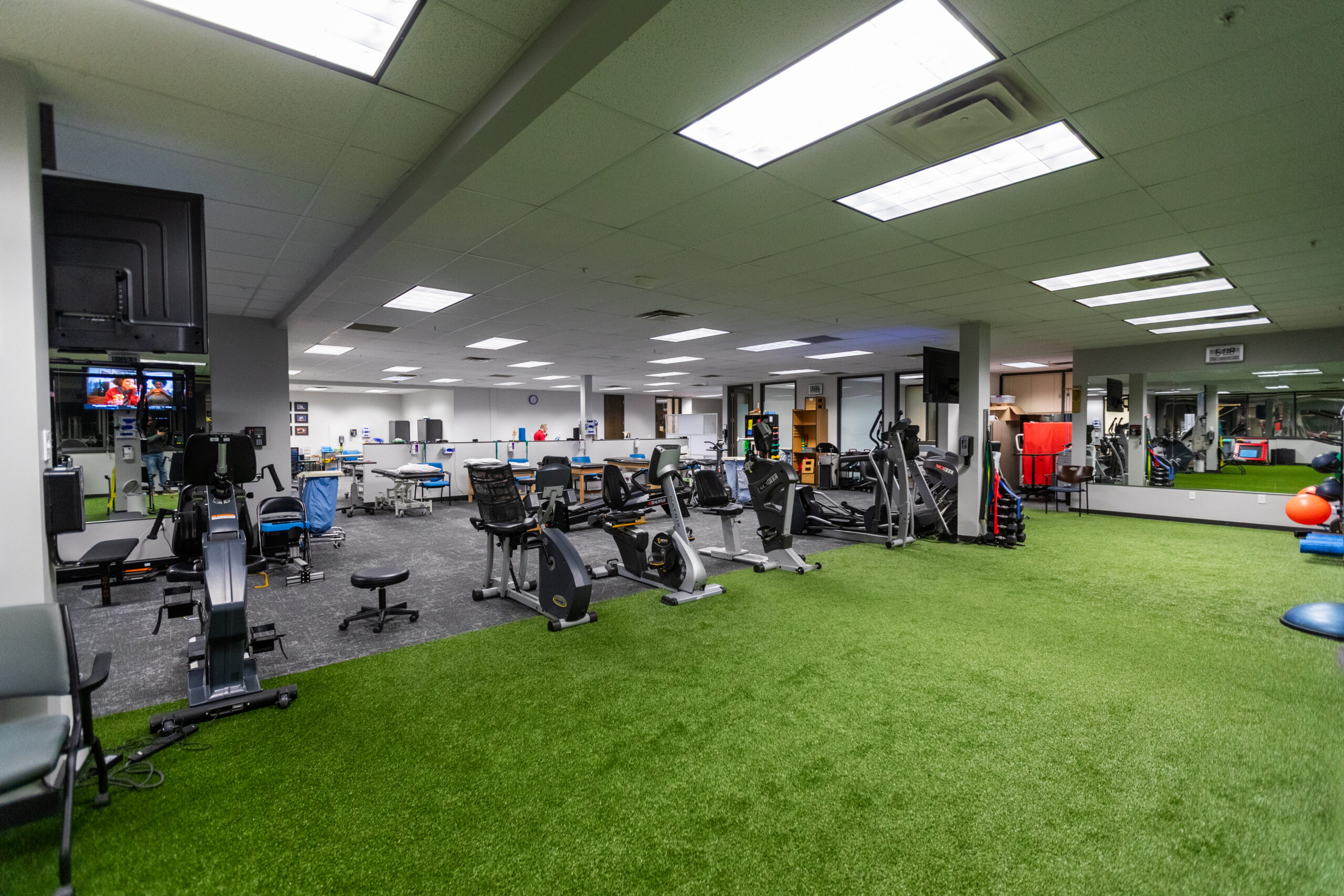
Recovery is where outcomes are won or lost. The best surgical technique in the world produces poor results if rehabilitation is disorganized, delayed, or disconnected from the surgical plan. KCOI’s on-site physical and occupational therapy team works directly alongside surgeons and nurses — which means rehab protocols are coordinated from day one, not handed off to a provider who wasn’t in the room and doesn’t have the full clinical picture.
Each patient receives focused, individualized attention during the most critical window of recovery. Whether you’re regaining range of motion after rotator cuff repair, rebuilding strength after ACL reconstruction, or learning to walk again after total hip replacement, the continuity between your surgical and rehabilitative care is a direct driver of your overall orthopedic patient experience.
Patients can also take advantage of direct access to physical and occupational therapy — meaning you don’t always need a physician referral to begin treatment. For patients in early stages of a musculoskeletal issue, getting to a skilled therapist quickly can prevent the condition from progressing to the point of needing surgery.
Orthopedic injuries don’t follow a schedule. Sprains, fractures, acute joint pain, and sports injuries often need to be evaluated quickly — and a general emergency room isn’t always the right place for a musculoskeletal injury. KCOI’s Ortho Urgent Care is open seven days a week and staffed by providers who specialize specifically in orthopedic injuries.
Patients can check in onlineusing our handy ‘Save Your Spot’ feature before arriving, reducing wait times and streamlining the experience.
Subspecialty Expertise Across Every Joint and Condition
KCOI’s board-certified, fellowship-trained physicians cover every major orthopedic subspecialty. That means the physician treating your knee injury trained specifically in knee conditions — not general surgery with some orthopedic exposure. The same applies across shoulder and elbow care, foot and ankle, hand and wrist, and neck and back.
This subspecialty depth matters when it comes to orthopedic technology, because robotic systems, advanced imaging, and pain management protocols are only as effective as the training of the clinician applying them. At KCOI, the technology and the expertise are matched at every level.
Why Kansas City Chooses KCOI
When patients across the Kansas City region — from Leawood and Overland Park to Lee’s Summit and beyond — ask where is the best orthopedic hospital near me, the answer consistently points to KCOI. Not because of a single technology, but because of how everything works together: a physician-owned hospital model that prioritizes patient outcomes, subspecialty expertise at every level, and a commitment to investing in the orthopedic technology that produces real results.
Ready to experience the difference? Whether you need a consultation, imaging, surgery, or rehabilitation, KCOI is your single destination for comprehensive orthopedic care. Request an Appointment with our partner physician clinic, KCOA, or check in to Ortho Urgent Care online today.
Whether you’re a high school athlete pushing for a scholarship, a weekend warrior chasing your personal best, or a professional competitor at the peak of your career, one thing is universal: injuries can sideline even the most dedicated players. At Kansas City Orthopedic Institute (KCOI), our sports medicine specialists understand how much the game means to you, and we’re committed to keeping you in it.
Sports medicine is more than treating injuries after they happen. It’s a proactive, comprehensive discipline that encompasses injury prevention, rapid diagnosis, evidence-based treatment, and strategic rehabilitation. In the greater Kansas City area, KCOI stands at the forefront of this field, delivering elite-level care to athletes across all sports and skill levels.
What Is Sports Medicine and Why Does It Matter?
Sports medicine is a specialized branch of healthcare focused on the physical fitness, treatment, and prevention of injuries related to sports and exercise. According to the American College of Sports Medicine (ACSM), sports medicine physicians are uniquely trained to optimize athletic performance, reduce injury risk, and guide recovery through both surgical and non-surgical approaches.
At KCOI, our sports medicine team blends orthopedic expertise with cutting-edge diagnostics. We treat everything from acute injuries like ACL tears and stress fractures to chronic conditions such as tendinopathy and overuse syndromes. Our goal is always the same: return you to peak performance, safely and efficiently.
Common Sports Injuries We Treat at KCOI
Athletes come to us with a wide spectrum of injuries. Here are some of the most common conditions our sports medicine team manages:
ACL Tears and Knee Injuries
The anterior cruciate ligament (ACL) is one of the most frequently injured structures in sport. Soccer players, basketball athletes, and skiers are especially vulnerable. KCOI’s knee specialists offer both conservative management and advanced surgical reconstruction when needed, combined with sport-specific rehabilitation to get you back on the field.
Overhead athletes (baseball pitchers, swimmers, and tennis players) frequently deal with rotator cuff tears, labral injuries, and shoulder instability. KCOI’s shoulder specialists use minimally invasive arthroscopic techniques to repair damage and restore function, minimizing downtime and maximizing long-term outcomes.
Stress Fractures and Overuse Injuries
Repetitive impact and training errors are among the leading causes of overuse injuries. Stress fractures in the foot, tibia, and hip are common sports injuries in distance runners and dancers. Our sports medicine physicians conduct thorough biomechanical assessments to identify contributing factors and develop comprehensive return-to-sport protocols.
Ankle Sprains and Ligament Injuries
While ankle sprains may seem minor, improper treatment can lead to chronic instability and recurring injuries. KCOI provides detailed functional assessments and individualized therapy programs to ensure full ligament healing and proprioceptive recovery.
Injury Prevention: Our Proactive Approach
One of the hallmarks of KCOI’s sports medicine philosophy is prevention. We believe the best injury is the one that never happens. Our team provides:
Pre-participation physical evaluations (PPEs) for student athletes
Biomechanical movement screenings to identify compensatory patterns
Neuromuscular training programs to improve dynamic stability
Sport-specific conditioning and load management guidance
Equipment and footwear recommendations tailored to your sport
Research from the National Institutes of Health (NIH) confirms that structured neuromuscular training programs can reduce ACL injury rates by up to 50% in female athletes, a compelling case for investing in prevention before injury strikes.
Return-to-Sport Protocols: Getting Back Safely
One of the most critical, and most misunderstood, phases of sports injuries or athletic injury recovery is the return-to-sport process. Returning too soon dramatically increases the risk of re-injury, while overly conservative protocols can unnecessarily extend time away from competition.
At KCOI, we use evidence-based return-to-sport criteria, including strength testing, functional movement assessments, and psychological readiness evaluations. Our multidisciplinary team, including sports medicine physicians, physical therapists, and athletic trainers, collaborates to determine the safest and most efficient path back to full competition.
Our Sports Medicine team here at KCOI is robust. See each profile below:
Explore our full rehabilitation and physical therapy programs at KCOI Physical Therapy, where our licensed therapists work hand-in-hand with your sports medicine physician.
Serving Kansas City’s Athletic Community
From youth leagues and high school teams to collegiate programs and weekend warriors, KCOI proudly serves the entire spectrum of Kansas City’s athletic community. We partner with local schools, sports clubs, and organizations to provide sideline coverage, team physician services, and educational workshops on injury prevention and sports nutrition.
Our centrally located facilities make it easy to access world-class orthopedic and sports medicine care without leaving the Kansas City area. We’re honored to be a trusted resource for so many athletes; and we take that responsibility seriously.
When to See a Sports Medicine Specialist
Not every ache requires a doctor’s visit, but certain signs warrant prompt evaluation:
Pain that persists beyond 48–72 hours despite rest and ice
Swelling, bruising, or deformity following an acute injury
Difficulty bearing weight or using the injured extremity
Sports medicine at Kansas City Orthopedic Institute goes far beyond treating injuries. We’re your partners in athletic performance — from the pre-season through the post-game, from prevention through recovery. Our team of fellowship-trained sports medicine specialists is ready to help you achieve your athletic goals while keeping you healthy and safe for the long term.
Whether you’re dealing with an acute injury or looking for guidance on how to perform at your best, KCOI’s sports medicine team is here for you. Kansas City athletes deserve Kansas City’s best — and that’s exactly what we deliver.
If you’ve ever dealt with lingering back pain, a stubborn sports injury, nerve symptoms like tingling or weakness, or pain that limits your everyday life, you may have heard the term PM&R and wondered what it means.
PM&R stands for Physical Medicine & Rehabilitation, and it’s also commonly called physiatry. PM&R physicians or physiatrists focus on one goal: helping you move better, function better, and feel better (often without surgery). At Kansas City Orthopaedic Institute (KCOI), this specialty is closely connected with rehabilitation care, including physical therapy and occupational therapy, so your plan is built around real-life progress and not just a diagnosis.
What is PM&R (Physiatry)?
PM&R is a medical specialty dedicated to diagnosing and treating conditions that affect muscles, joints, nerves, and the spine, with an emphasis on restoring function and reducing pain.
Unlike specialties that center primarily on surgery, PM&R often concentrates on:
Pinpointing the root cause of pain or movement limitations
Improving strength, mobility, and mechanics
Using targeted procedures when appropriate (like image-guided injections)
Coordinating rehab so improvement continues outside the clinic
In other words, PM&R is often the “bridge” between diagnosis and full recovery, especially when a condition is limiting your movement and quality of life.
What does a PM&R physician treat?
PM&R can help with a wide range of orthopedic and musculoskeletal issues. At KCOI, physiatrists treat pain and mobility concerns involving the neck, back, hip, shoulder, and knee, and they may help when symptoms haven’t responded to other conservative treatment methods.
Common reasons patients seek PM&R care include:
Neck and back pain (including sciatica or persistent stiffness)
Sports injuries that aren’t improving as expected
Nerve irritation or suspected nerve compression
Pain that limits walking, working, sleeping, or daily routines
Ongoing symptoms after surgery that need continued rehab support
PM&R vs. other orthopedic care: what’s the difference?
A helpful way to think about it:
Orthopedic surgery focuses on fixing structural problems with operative care when needed.
PM&R focuses on improving function and reducing pain, usually through non-surgical strategies, coordinated rehabilitation, and targeted interventions.
Many patients benefit from both approaches at different stages. If you’re trying to avoid surgery, or you’re not sure surgery is the right next step, PM&R may be a strong option to explore.
What happens at a PM&R appointment?
Every visit is different, but most PM&R evaluations include:
A detailed discussion of your symptoms, history, and goals
Movement and functional testing (how you bend, walk, lift, grip, reach, etc.)
Review of any imaging (X-ray/MRI) when relevant
A personalized plan that may include rehab therapy, medications, lifestyle/ergonomic adjustments, or procedures
At KCOI, PM&R care may include noninvasive options such as anti-inflammatories, pain medication, and several types of guided injections (including epidural injections, nerve blocks, ultrasound-guided and fluoroscopic-guided injections), as well as radiofrequency ablation and other procedures when appropriate.
Where do physical therapy and occupational therapy fit in?
This is where PM&R really shines: it’s designed to connect medical expertise with functional, real-world improvement.
At KCOI, rehabilitation services such as physical therapy and occupational therapy are positioned as essential for many orthopedic conditions and an important part of injury prevention, nonsurgical treatment, and post-op recovery.
Physical therapy: improving movement, strength, and stability
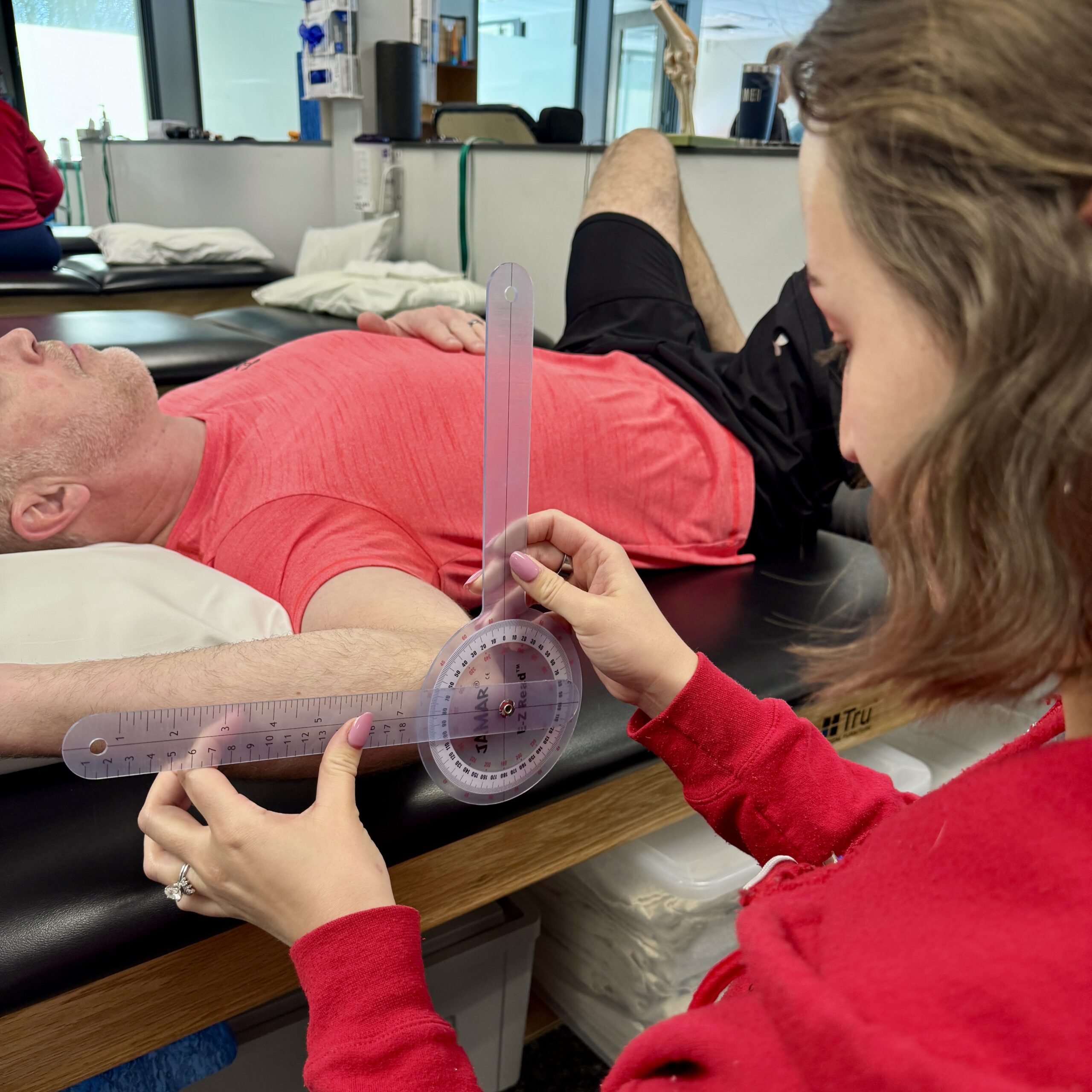
Physical therapy often focuses on restoring mobility, improving balance and coordination, rebuilding strength, and helping you return to activity safely.
Occupational therapy: improving daily function and independence
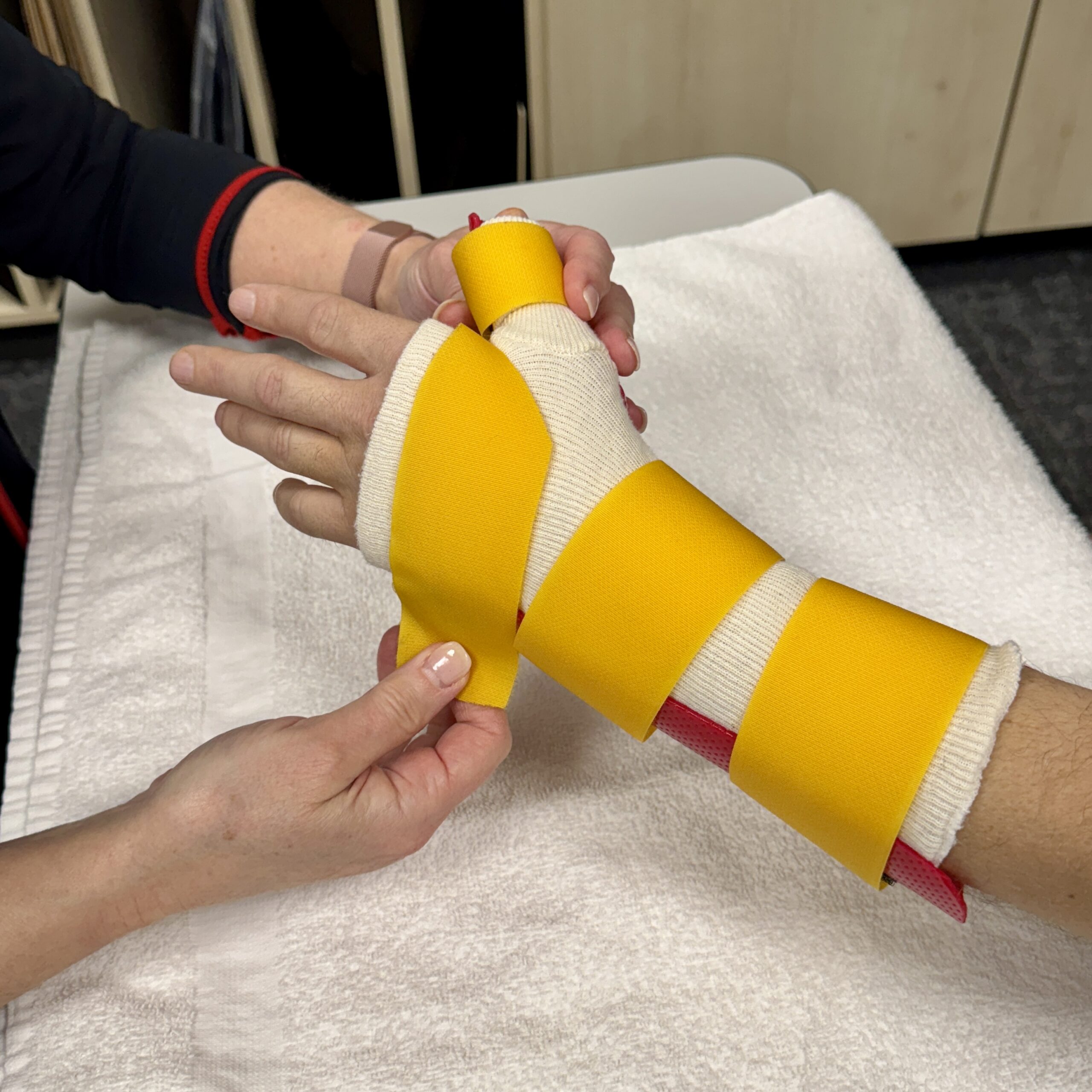
Occupational therapy helps people engage in meaningful daily activities, often by improving upper-extremity function, fine motor skills, and strategies to reduce pain during tasks at home or work. KCOI’s occupational therapists apply their knowledge to enable people to engage in activities of daily living through the therapeutic use of everyday activities (“occupations”).
When PM&R care is paired with physical therapy and occupational therapy, the goal isn’t just pain relief; it’s better function and better outcomes.
If your PM&R plan includes rehab, or if you’re not sure where to begin, KCOI’s Physical & Occupational Therapy team can help you rebuild strength, mobility, and confidence through personalized physical therapy and occupational therapy programs designed around your goals. Start here: KCOI Physical & Occupational Therapy.
Which KCOI providers offer PM&R-related care?
KCOI’s physician team includes orthopedic surgeons and interventional physiatrists. Our KCOI physiatrist team includes:
Pain limits your daily life and you want non-surgical options
You’ve tried rest, general stretching, or basic care and symptoms persist
Your symptoms include radiating pain, numbness, or weakness
You want a clear plan that connects diagnosis to rehabilitation progress
You’re recovering after surgery and want a stronger return-to-function strategy
The earlier you address movement issues, the easier it often is to prevent compensation patterns (like guarding, limping, or overusing another joint), which can create new pain over time.
FAQs: PM&R, physical therapy, and occupational therapy
Is PM&R the same as physical therapy? Not exactly. PM&R is a physician specialty that evaluates and manages medical causes of pain and functional problems, and it often coordinates care that includes physical therapy.
Do I need occupational therapy or physical therapy? It depends on your goals and the body region involved. Many plans include both occupational therapy and physical therapy, especially when you’re working to restore total-body function and daily independence.
Will I need injections or procedures? Not always. KCOI lists multiple noninvasive options for physiatrists, and procedures are typically considered when they match your diagnosis and goals.
Next steps: start with the right resource at KCOI
Whether you’re exploring PM&R for persistent pain, working through recovery, or trying to avoid surgery, the best next step is choosing the right entry point—physician evaluation and/or rehab therapy.
An injury has a way of changing everything including how you move, how you work, and how confident you feel in your day-to-day life. Whether it happens suddenly or develops over time, the loss of independence can be just as challenging as the physical pain itself.
At Kansas City Orthopaedic Institute (KCOI), we help patients move forward stronger, safer, and more confident than before. As a physician-owned orthopedic hospital, we are structured differently, and that difference shows how patients experience care from the moment they arrive.
Care Designed Around the Patient
Because KCOI is physician-owned, care decisions are led by the people who know orthopedic conditions best: orthopedic specialists themselves. That structure allows for faster collaboration, more personalized treatment plans, and a level of focus that is hard to find in traditional hospital systems.
Instead of navigating multiple facilities, patients benefit from a connected care team including surgeons, a 1:2 ratio for nurses to patients, therapists, and other support staff, working together in one environment built specifically for orthopedic care.
As Julie Murphy, Hospital Admissions Rep at KCOI said, “I work at KCOI because I love taking care of the patients and watching everyone else take care of the patients in an excellent way.”
You can explore our full team of board-certified, fellowship trained specialists on our Providers’ page, where expertise spans joint replacement, sports medicine, spine, foot and ankle, hand, and wrist, and more.
When Injuries Happen, Speed Matters
Orthopedic injuries don’t wait for a convenient time. A fall, a sports injury, or a sudden twist can instantly change a normal day into a stressful one. That’s why immediate access to specialized care matters is important.
For patients searching for orthopedic urgent care near me, KCOI offers Ortho Urgent Care seven days a week that is staffed by providers who focus exclusively on musculoskeletal injuries. Unlike a general emergency room, our urgent care is designed specifically for bone, joint, and muscle injuries. We treat every day orthopedic injuries as well as sports injuries for competitive and recreational athletes, including:
Broken bones (fractures)
Sprains, strains, and other muscle or tendon injuries
Torn ACL, torn MCL and other ligament injuries
Muscle contusions and minor lacerations.
Our Ortho Urgent Care provides fast access to orthopedic experts who can diagnose injuries accurately and create a clear path forward—often preventing delays that can slow recovery.
A Seamless Path from Diagnosis to Recovery
One of the biggest challenges patients face after an injury or surgery is fragmentation or being passed from one provider to another with little coordination. At KCOI, care is intentionally integrated.
From advanced imaging and surgical suites to inpatient care and rehabilitation, services are designed to work together. Surgeons communicate directly with therapists. Nurses coordinate closely with care teams. Patients know what comes next—and who to call with questions.
Rehabilitation That Builds Strength and Confidence
Recovery is not just about healing tissue. It’s about rebuilding trust in your body.
Through KCOI’s rehabilitation services, patients receive personalized physical and occupational therapy focused on real-life goals including walking without pain, returning to work, getting back on the field, or simply moving without hesitation.
Therapists work closely with physicians to adjust treatment plans as progress is made, helping patients regain both mobility and independence.
Being a physician-owned orthopedic hospital means KCOI is built around outcomes—not volume. Our teams are aligned around quality, efficiency, and patient experience, which translates to:
Shorter wait times
Specialized orthopedic nursing care with one registered nurse for every two patients!
Streamlined transitions from surgery to rehab
Consistently high patient satisfaction
This focus allows patients to feel supported at every stage of their journey, rather than lost in a complex system.
As the parent(s) of 3 daughters in medicine: A M.D, Pharm-D, BSN R.N. & a S.I.L. Pulmonologist M.D. (PCC), & since 2010 having had 3 total joint replacements @ KCOI, (2 knees & a shoulder), I can attest as to the professionalism of the Orthopedic Doctors, their Physician Assistants, the R.N. Nurses on the floor with a 1 to 2 ratio, (1 R.N. for every 2 patients)…the Medical Assistants, Schedulers & the Physical Therapists of Performance Rehab.
The professionalism & quality of care are reasons why KCOI is rated in the top 2% of the hospitals in the NATION and ranked the number ONE joint replacement hospital in the state of Kansas.
From the 30 Physicians of the physician-owned hospital, to the security guard who assists you into your car at dismissal, ALL the employees are extremely kind & interested in your complete recovery. The morale, esprit de corp & low to no staff turnover at KCOI are virtually unheard of in today’s medical hospitals, and bear witness to the character and professionalism of all of the employees at KCOI.”
– Vincent W.
Helping Patients Return to What Matters Most
Success is not measured by procedures alone; it is measured by what patients are able to do again. Return to work. Return to sports. Return to daily routines without pain or fear.
Whether care begins with urgent treatment, a physician visit, or surgery, KCOI’s role is to guide patients from injury to independence with clarity, expertise, and compassion.
If you are looking for orthopedic urgent care near me or exploring treatment options at a specialized orthopedic facility, learn more about our approach at kcoi.com or contact our team directly.
Click to be redirected to our partner physician clinic site, KCOA, to schedule your appointment with a physician.