Comprehensive Guide to Foot & Ankle Care in KC

Comprehensive Guide to Foot and Ankle Care in Kansas City 

The human body contains a variety of joint types, each with its own unique structure and challenges. Among the most complex regions are the foot and ankle, which work together to support movement and balance. Over time, the repetitive stress from everyday activities—like walking, running, and jumping—can lead to significant wear and tear. These joints are supported by soft tissues, including muscles, tendons, ligaments, nerves, and blood vessels, which help absorb impact and maintain stability. 

Given the intricate network of bones and soft tissues in the foot and ankle, injuries and degenerative conditions are common. As we age, the cumulative effects of repetitive motion can result in pain, reduced mobility, and chronic joint issues that require specialized orthopedic care. 

Foot and ankle pain can disrupt your mobility, comfort, and quality of life. Whether you’re an athlete, a weekend warrior, or simply navigating daily routines, injuries to these areas deserve expert attention. At Kansas City Orthopaedic Institute, our board-certified orthopedic foot and ankle care specialists offer advanced, personalized care for a wide range of conditions. Here, we will take a look at the four most common conditions: sprains, Achilles tendon injuries, plantar fasciitis and fractures. 

Sprains: More Than Just a Twist 

Ankle sprains occur when the ligaments that support the joint are stretched or torn, often due to sudden twists or impacts. They’re among the most frequent orthopedic injuries, especially in sports and active lifestyles. 

Common Symptoms: 

  • Sharp pain at the time of injury 
  • Swelling and bruising 
  • Difficulty bearing weight 
  • Instability in the ankle 

Ankle Sprain Treatment Options: 

Most sprains respond well to conservative care: 

  • RICE protocol: Rest, Ice, Compression, Elevation 
  • Physical therapy to restore strength and flexibility 
  • Bracing or taping for support during recovery

Severe sprains may require surgical repair, especially if ligament damage is extensive or recurrent instability develops. 

Prevention Tips: 

  • Wear supportive footwear 
  • Warm up before exercise 
  • Strengthen ankle muscles with balance and resistance exercises 

Achilles Tendon Injuries: The Power Connector 

Whether you’re a competitive athlete or simply navigating everyday life, Achilles tendon injuries can affect anyone. These injuries typically present as Achilles tendinitis—inflammation of the tendon—or in more severe cases, a complete rupture. 

The causes often stem from overuse, repetitive stress, or a sudden, forceful strain on the tendon. Activities like running, jumping, or abrupt changes in movement can place excessive pressure on the Achilles, leading to pain, swelling, and limited mobility. Early diagnosis and treatment are key to preventing long-term damage and ensuring a full recovery. 

The Achilles tendon is the largest tendon in the body, connecting your calf muscles to your heel. It plays a vital role in walking, running, and jumping. Injuries range from tendinitis (inflammation) to ruptures (complete tears). 

Warning Signs: 

  • Pain or stiffness in the back of the heel 
  • Swelling or tenderness 
  • Difficulty pushing off the foot 
  • A popping sound during injury (in case of rupture)

Treatment Options: 

  • Non-surgical: Rest, ice, anti-inflammatory medications, heel lifts, and physical therapy 
  • Surgical: Repair of torn tendon for active individuals or severe cases

Rehabilitation is key—our specialists/partners guide patients through tailored recovery plans to restore strength and prevent re-injury. Hear from Kansas City sports personality Frank Boal about his Achilles injury, surgery and rehab experience. 

Fasciitis: The Morning Heel Pain 

Plantar fasciitis is an inflammation of the thick band of tissue (plantar fascia) that runs across the bottom of your foot. It’s a leading cause of heel pain, especially in runners and individuals who spend long hours on their feet.  

Plantar fasciitis is one of the most common causes of foot and heel pain, and it can significantly interfere with your ability to perform everyday tasks or enjoy your favorite activities. This condition is marked by a sharp, stabbing pain that radiates from the heel across the bottom of the foot—often intensifying throughout the day as you remain on your feet. 

While most cases of plantar fasciitis can be treated non-surgically, delaying care can lead to complications. In some instances, patients may unconsciously alter their gait to avoid pain, which can trigger additional issues in the foot, ankle, hip, and leg.  

At Kansas City Orthopedic Alliance, KCOI’s partner physician clinic, the orthopedic foot and ankle care specialists are highly skilled in diagnosing and managing plantar fasciitis. We offer a range of personalized treatment options—from physical therapy and orthotics to advanced interventions—tailored to your unique symptoms and recovery goals. Whether surgical or non-surgical, our approach is always focused on restoring comfort and mobility. 

Symptoms: 

  • Sharp heel pain, especially with the first steps in the morning 
  • Pain after prolonged standing or walking 
  • Tenderness along the arch 

 Treatment Options: 

  • Stretching exercises for the calf and plantar fascia 
  • Orthotics or supportive shoes 
  • Night splints to maintain foot position 
  • Therapy or corticosteroid injections for persistent cases 

Our team emphasizes early intervention to prevent chronic pain and improve foot mechanics. 

Fractures: When Bones Break 

Foot and ankle fractures can result from trauma, falls, or overuse. These injuries vary in severity and location—from stress fractures in the metatarsals to complex ankle breaks. Fractures in the feet are more common than many realize and can happen unexpectedly—whether you’re an athlete on the field or simply going about your daily routine. These injuries can be painful and disruptive, significantly affecting your ability to perform everyday tasks. 

At KCOI, our goal in fracture management is to stabilize the injury and control pain effectively. Our orthopedic specialists use advanced technologies and personalized techniques to ensure accurate diagnosis and tailored treatment plans. Our team is committed to providing comprehensive care that helps you return to the activities you love—safely and confidently. 

 Symptoms: 

  • Immediate pain and swelling 
  • Bruising and deformity 
  • Inability to bear weight 
  • Visible bone displacement (in severe cases) 

Treatment Options: 

  • Immobilization with casts or boots 
  • Surgical fixation using plates, screws, or pins 
  • Rehabilitation to restore mobility and strength 

Our orthopedic surgeons use advanced imaging and minimally invasive techniques to ensure precise diagnosis and optimal healing. 

Meet Your Kansas City Foot & Ankle Experts 

Our orthopedic foot and ankle specialists include: 

These specialists bring decades of experience, cutting-edge techniques, and compassionate care to every patient. Whether you’re recovering from a sports injury or managing chronic foot pain, you’re in expert hands.  

Schedule an Appointment Today 

Don’t let foot or ankle pain slow you down. KCOI is here to help you move better, feel better, and live better. equest an appointment with one of our highly skilled orthopedic specialists through our partner physician clinic, Kansas City Orthopedic Alliance (KCOA), today: Request an Appointment for your foot and ankle care needs today. 

And, if you’re interested in more resources, check out our partner physician clinic resources here:  Achilles tendon injuries, plantar fasciitis and fractures. 

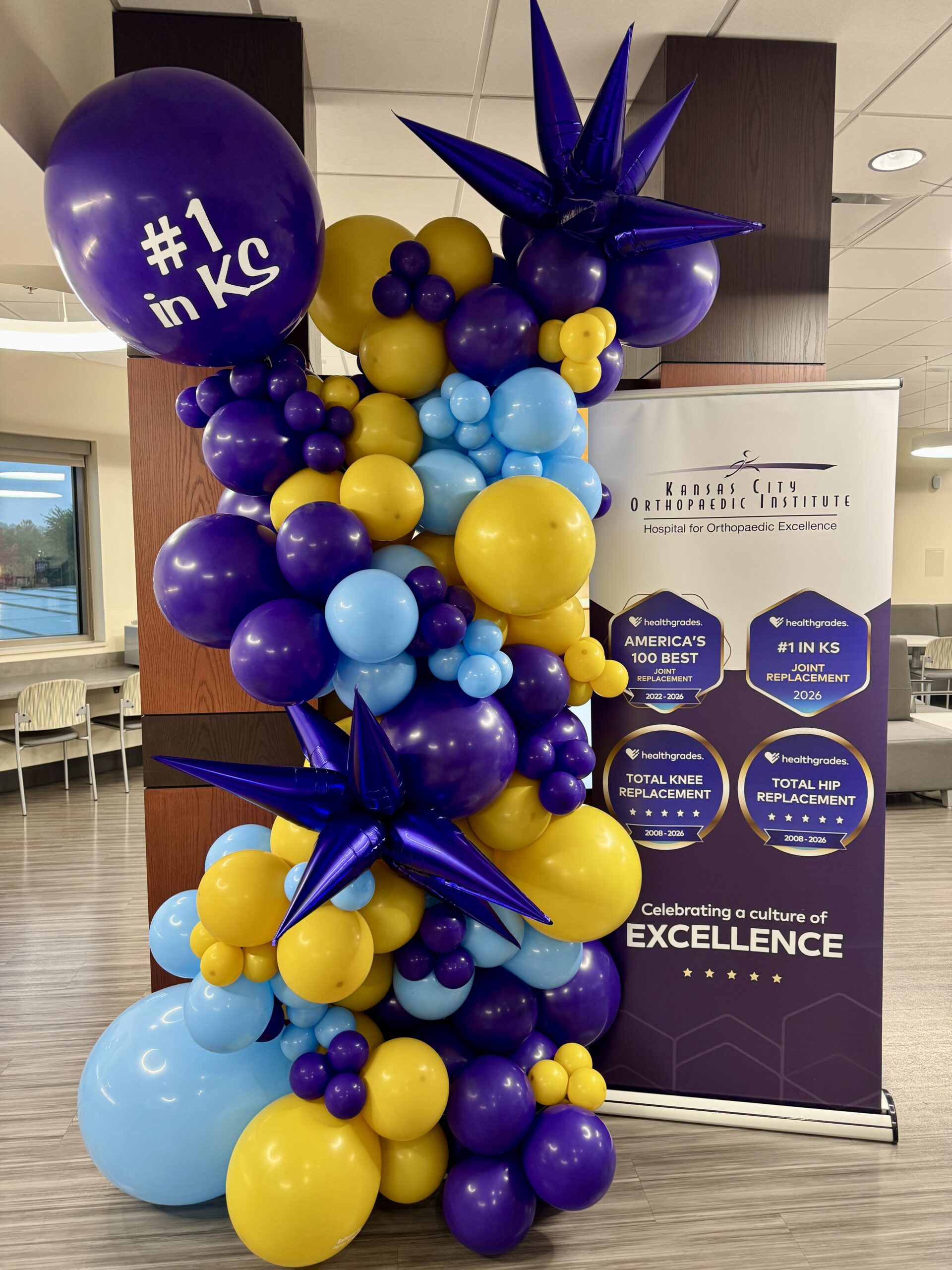
KCOI ranked #1 in Kansas for Joint Replacement

KCOI wins

Media Contact:
Kiran Chandra, Director of Marketing & Communications
KChandra@KCOI.com| 913-253-8956 

Kansas City Orthopaedic Institute ranked #1 in Kansas for Joint Replacement 

LEAWOOD, Kansas (October 28, 2025) – Kansas City Orthopaedic Institute (KCOI) announced today that it ranks #1 in Kansas for Joint Replacement in 2026, according to new research released by Healthgrades, the leading resource consumers use to find a hospital or doctor. In the past year, KCOI has also been recognized with the Outstanding Patient Experience Award and Patient Safety Excellence Award. These achievements place KCOI in the Top 2% of hospitals in the Nation and distinguishes the organization as Kansas’ leading hospital for Joint Replacement surgery.  

“Achieving the No. 1 Joint Replacement ranking in Kansas is a testament to the team of providers we have at Kansas City Orthopaedic Institute. As Kansas City’s only hospital dedicated exclusively to orthopedics, we are always raising the bar for the standard of care in our region,” said Gene Austin, CEO of KCOI. “We pride ourselves in delivering true excellence in hospital quality, patient outcomes and compassionate care, and this ranking is recognition of the hard work our physicians and staff do to serve the Kansas City community each day.” 

Healthgrades bases its 2026 rankings on a rigorous evaluation of risk-adjusted mortality and complication rates for more than 30 common conditions and procedures. Hospitals that receive high ratings, such as this #1 state ranking, are shown to provide consistently superior outcomes. Patients who are treated at a hospital with a top-rated joint replacement program have a significantly lower risk of in-hospital complications.  

 “Healthgrades’ specialty awards identify the nation’s top-performing hospitals in key service areas, helping consumers find high quality care tailored to their specific needs,” said Alana Biggers, MD, MPH, medical advisor at Healthgrades. “We’re proud to recognize Kansas City Orthopaedic Institute for its consistently superior outcomes in key service areas, including joint replacement, patient safety and patient experience.”  Consumers can visit Healthgrades.com to learn more about how Healthgrades measures hospital quality. 

*Statistics are based on Healthgrades analysis of MedPAR data for years 2022 through 2024 and represent three-year estimates for Medicare patients only. Click to view the complete 2026 Specialty State Rankings Methodology. 

# # # 

About Kansas City Orthopaedic Institute  

Kansas City Orthopaedic Institute (KCOI) provides unparalleled orthopedic care to those in the Kansas City region and beyond. KCOI, a physician-owned specialty hospital, offers comprehensive services including surgical services, interventional spine procedures, Ortho Urgent Care, diagnostic imaging and rehabilitation therapy. KCOI represents the pinnacle of orthopedic excellence, committed to delivering personalized solutions and exceptional outcomes for every patient. Learn more at kcoi.com.   

About Healthgrades 

Healthgrades is a leading resource for objective performance measures, helping consumers make informed healthcare decisions.  

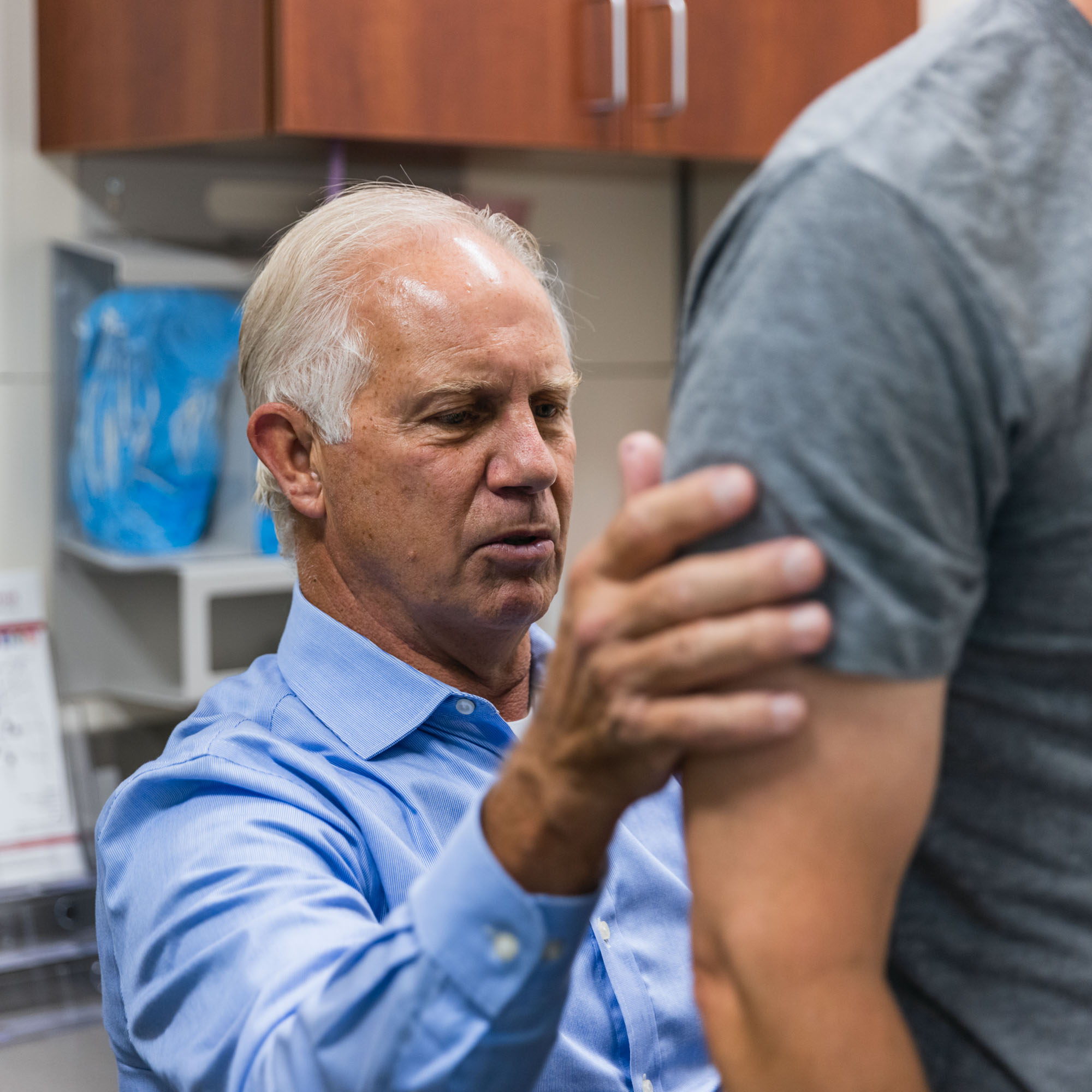
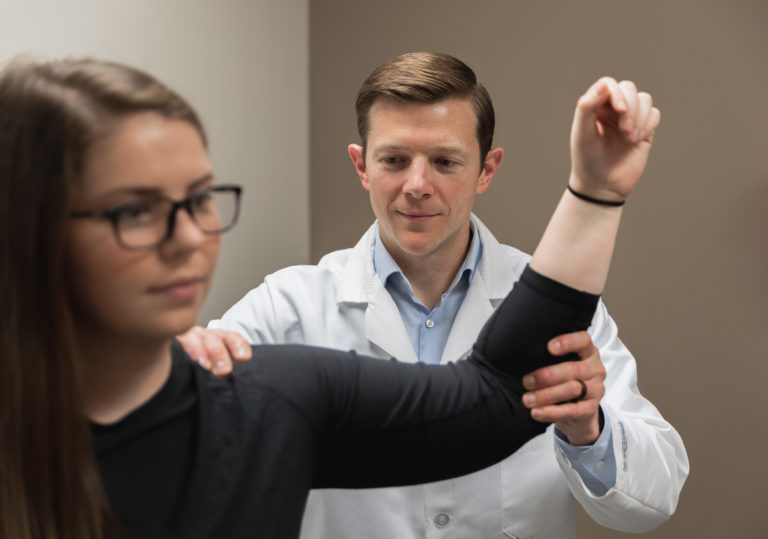
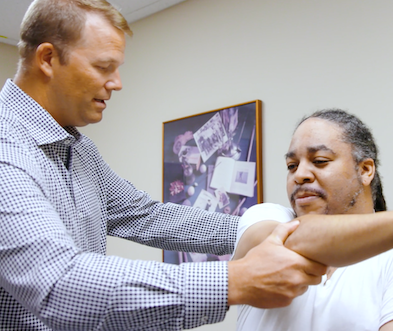
Dr McCabe and patient shoulder exam

Shoulder Pain Relief: Surgical & Non-Surgical Options

That deep, grinding shoulder pain that wakes you up at night, the sudden instability when reaching for a high shelf, or the persistent ache that makes daily tasks feel impossible—these are common signs that your shoulder joint is struggling. The shoulder allows you to move your arm in nearly every direction, but its complexity also makes it vulnerable to a wide array of injuries and degenerative conditions. There are several options for treating shoulder pain, ranging from non-surgical to surgical.

At Kansas City Orthopaedic Institute (KCOI), our orthopedic specialists recognize that pain exists on a spectrum, and there are many shoulder pain treatment options. A slight twinge from overuse is far different from the debilitating agony of a massive rotator cuff injury or a complex labral tear, for instance. Our philosophy is simple: we focus on the individual patient, accurately diagnosing the problem, and tailoring a treatment plan that addresses your specific pain level, lifestyle, and goals.

This post will walk you through the primary non-surgical and surgical options available to treat the most common causes of significant shoulder pain, ensuring you understand the steps to reclaiming your mobility and quality of life.

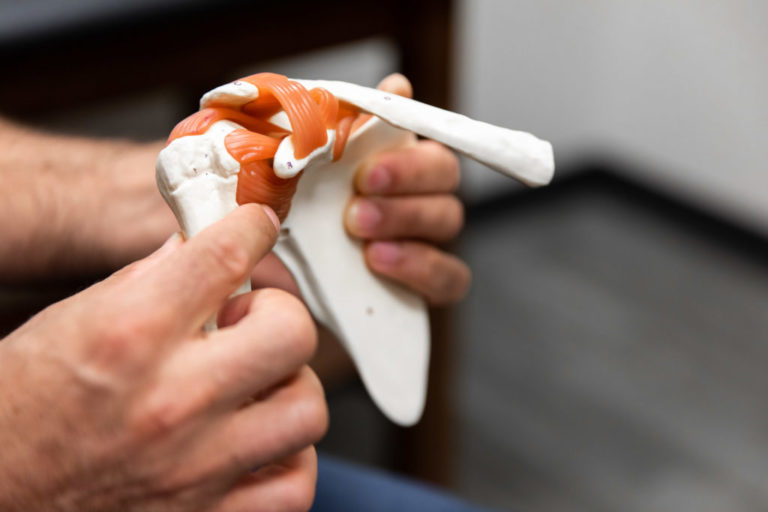
shoulder model labrum

Understanding the Key Players in Shoulder Injuries

To appreciate your treatment options, it helps to know the main parts of your shoulder that often need repair:

The Rotator Cuff: This is a group of four tendons and muscles that surround the shoulder joint. They act like a powerful steering system, holding the ball of the upper arm firmly in the shoulder socket and allowing you to lift and rotate your arm. A rotator cuff injury involves the tearing or fraying of one or more of these tendons, often due to repetitive overhead activities or a sudden fall.

The Labrum: This is a ring of tough cartilage that circles the rim of the shoulder socket (glenoid). It deepens the socket, providing stability and acting like a rubber bumper for the joint. A labral tear can occur from shoulder dislocations, repetitive actions (like throwing), or trauma. Two common types are:

  • Bankart Tear: A tear to the lower part of the labrum, often linked to shoulder instability or dislocation.
  • SLAP Tear: A tear to the top part of the labrum, often involving the attachment point of the biceps tendon.

Conservative Shoulder Pain Treatment Options: The First Line of Defense

For many conditions, especially partial tears, inflammation, or pain that is not completely disabling, our KCOI specialists start with conservative, non-surgical treatment options. These treatments aim to reduce inflammation, alleviate pain, and restore function without an operation.

  • Rest and Activity Modification: Giving the shoulder a chance to heal is critical. This often involves wearing a sling for a short period and avoiding activities that require lifting, pushing, or overhead movements.
  • Physical Therapy (PT): This is often the most important non-surgical step. A tailored PT program strengthens the surrounding muscles (like the deltoid and remaining rotator cuff muscles) to compensate for the injured tendons, improve stability, and restore the range of motion. Early, controlled movement is essential to prevent chronic stiffness.
  • Medications: Non-Steroidal Anti-Inflammatory Drugs (NSAIDs) like ibuprofen can help manage pain and reduce swelling.
  • Corticosteroid Injections: Injecting a powerful anti-inflammatory medicine directly into the joint can offer significant, temporary pain relief. Injections can calm inflammation and allow the patient to participate more effectively in physical therapy.
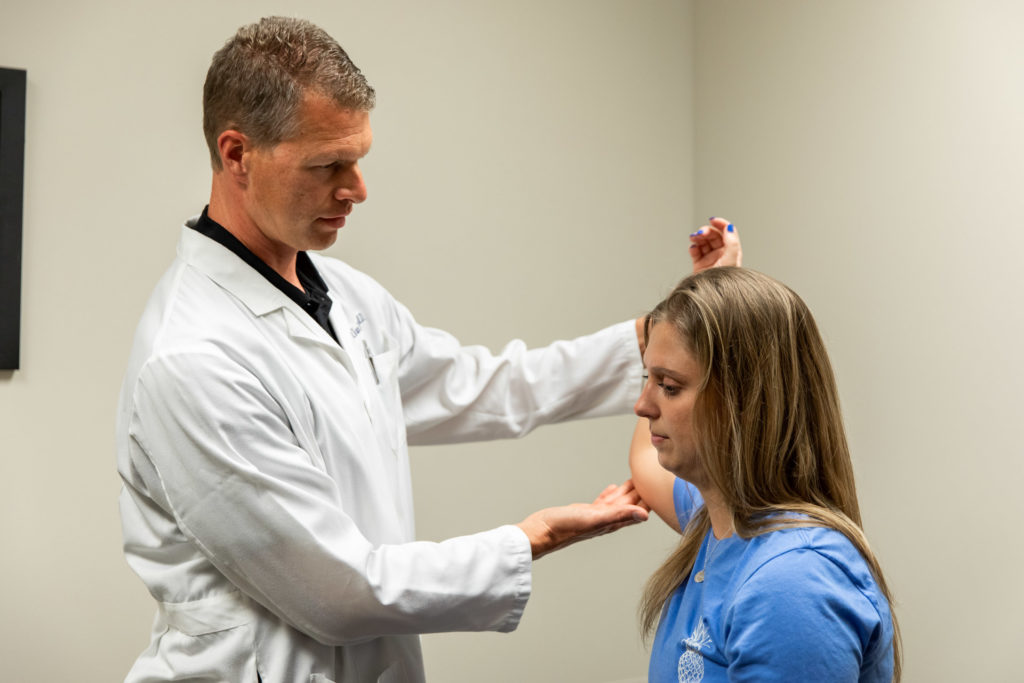
Dr Jake Stuve with shoulder patient

Surgical Solutions: Advanced Repairs for Complex Injuries

When non-surgical treatments fail to provide relief after several months, or if the injury is acute and severe (like a large rotator cuff tear or a recurrent shoulder dislocation), your orthopedic surgeon may recommend surgery. Modern shoulder surgery is typically performed using shoulder arthroscopy, a minimally invasive technique.

Shoulder Arthroscopy: The Keyhole Approach

Shoulder arthroscopy uses a tiny camera (arthroscope) and specialized miniature instruments inserted through small incisions (keyholes) around the joint. This allows the surgeon to visualize and repair damage without making a large, open incision.

  • Rotator Cuff Repair: The surgeon uses sutures and anchors (small devices placed in the bone) to reattach the torn rotator cuff tendons back to the head of the upper arm bone (humerus).
  • Labral Repair (Bankart and SLAP): The surgeon uses anchors and sutures to reattach the torn labral cartilage back to the edge of the socket, often stabilizing the joint to prevent future dislocations. A specific type is the Bankart repair for tears associated with shoulder instability.
  • Biceps Tenodesis: This procedure is often performed alongside rotator cuff repair or labral repair if the biceps tendon is also damaged or a source of pain. It involves detaching the damaged part of the biceps tendon from the labrum and reattaching it lower down on the humerus bone to relieve pain and improve stability.
  • Bone Spur Removal: Arthroscopy shaves off bone spurs (acromioplasty) that may be pinching or irritating the rotator cuff tendons (impingement).

This minimally invasive approach generally leads to less pain, smaller scars, and a potentially quicker initial recovery than traditional open surgery.

Van den Berghe and patient shoulder exam

Addressing Severe Damage: Shoulder Replacement

When a rotator cuff injury or long-term arthritis causes irreversible damage to the joint surfaces, a shoulder replacement (arthroplasty) may be necessary. This procedure involves replacing the damaged ball and/or socket with artificial components (prostheses). The decision rests on the condition of the cartilage and the integrity of the rotator cuff.

1. Anatomic Total Shoulder Replacement

This traditional form of shoulder replacement is used when the joint is severely damaged by arthritis. In this case, the rotator cuff tendons are still intact and functional. The artificial ball and socket components are positioned just like the natural joint, relying on the healthy rotator cuff to power and stabilize the arm.

2. Reverse Total Shoulder Replacement

This is a specialized procedure used when the patient has severe arthritis and an irreparable, massive rotator cuff injury. Here, the mechanics of the joint are reversed: the ball is placed on the shoulder blade (where the socket used to be), and the socket is placed on the humerus (the arm bone). This switch allows the powerful deltoid muscle—not the damaged rotator cuff—to lift and move the arm. This is a life-changing option for many patients who otherwise would have minimal functional use of their arm due to a non-repairable rotator cuff tear.

You can explore more about Shoulder Replacement at KCOA. KCOA is our partner physician clinic.

The KCOI Patient-Centered Approach

As you can see, the path to recovery involves many steps, from simple rest to complex surgery. At KCOI, our orthopedics specialists always emphasize a patient-first approach. We treat the person, not just the symptom. Our team of surgical shoulder specialists includes Dr. Cris Barnthouse, Dr. Stanley Bowling, Dr. John Carlisle, Dr. Dan Chernoff, Dr. David Clymer, Dr. KC Doan, Dr. Scott Ellsworth, Dr. Lowry Jones, Dr. Michael McCabe, Dr. Kirk McCullough, Dr. Christopher Peer, Dr. Mark Rasmussen, Dr. Daniel Stechschulte Jr., Dr. Jacob Stueve, and Dr. Greg Van den Berghe. 

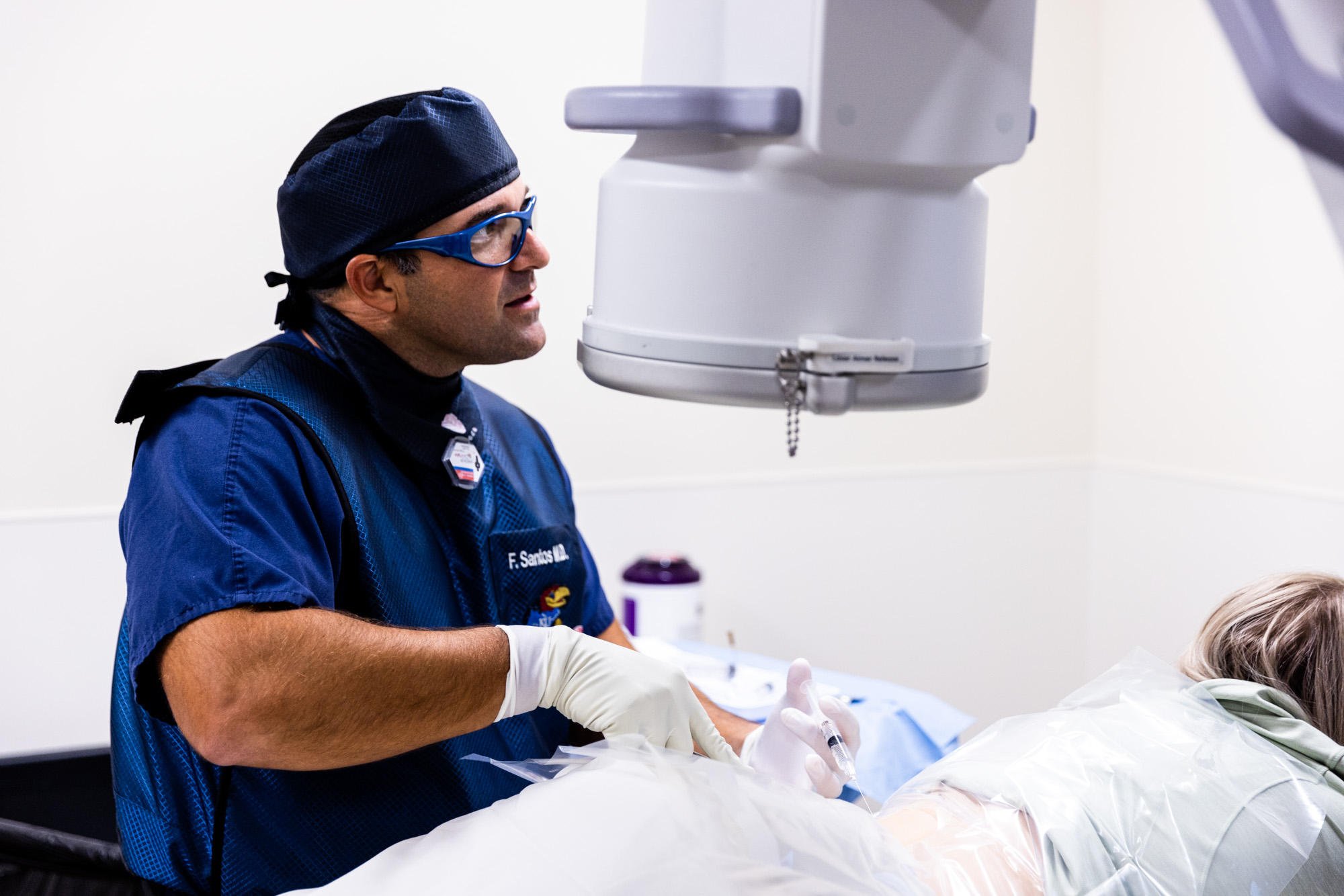
Our interventional physiatry specialists offer many non-surgical options for shoulder care.  This KCOI team includes: Dr. Lan Fotopoulos, Dr. Micheal Murphy, and Dr. Fermin Santos.

Diagnostic Process

Our diagnostic process includes a detailed physical examination, advanced imaging like X-rays and MRI, and careful consideration of your specific goals. Whether you need to return to professional sports medicine activity or simply lift your grandchild, we are here for you.

We believe in a shoulder pain treatment philosophy that ensures:

  • Accuracy: Using state-of-the-art imaging to correctly diagnose the precise nature of the problem.
  • Personalization: An example of personalization is starting with the least invasive treatment possible (conservative care) and only advancing to surgery (like shoulder arthroscopy or shoulder replacement) when necessary.
  • Commitment: Providing comprehensive care, from the pre-operative consultation to the final physical therapy session. Our goal is to see you fully recover and return to the activities that matter most.

Don’t let shoulder pain continue to limit your life. Constant discomfort, inability to sleep, or significant loss of motion are signs that it’s time to seek expert help. Our expert team is ready to assess your condition and guide you to the best possible solution, ensuring your treatment is as unique as you are.

Take the first step toward a pain-free life and fully functioning shoulder. Request an appointment with one of our highly skilled orthopedic specialists through our partner physician clinic, Kansas City Orthopedic Alliance (KCOA), today: Request an Appointment.

man suffering back pain

Back Pain & Stiffness: Find Relief, Restore Your Life

Back pain affects people of all ages and can disrupt daily life, from work to the activities you enjoy. At Kansas City Orthopaedic Institute (KCOI), our specialists are here to help you understand the cause of your pain and explore personalized treatment options. In this blog, we’ll break down the most common causes and solutions to help you find lasting relief.

Understanding Your Back: A Marvel of Engineering

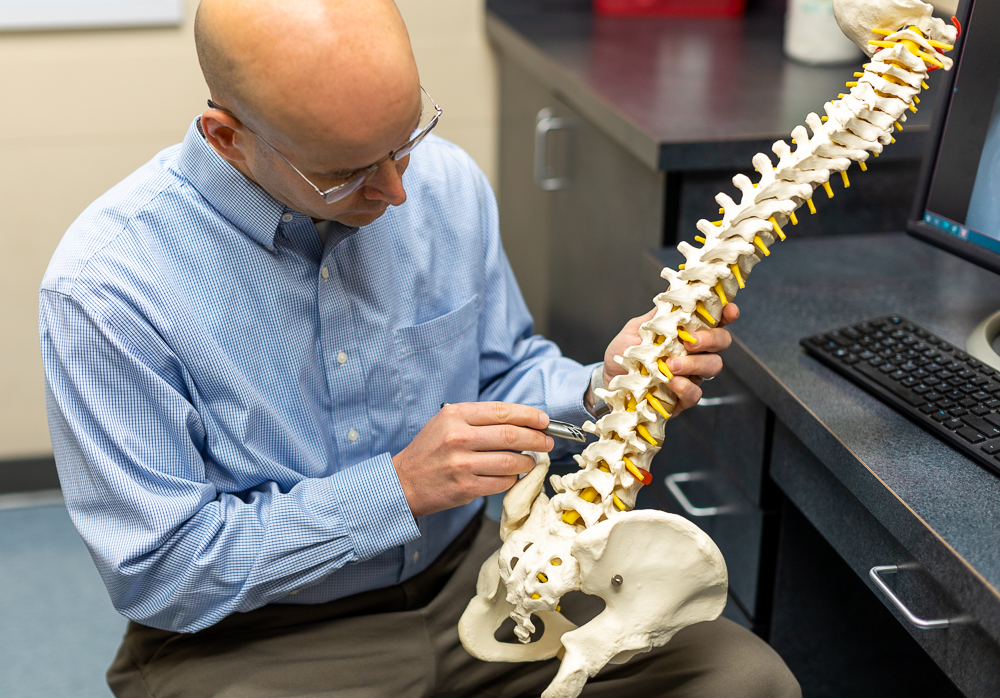
Understanding back pain starts with the spine—a complex structure of 33 vertebrae, cushioned by discs, connected by ligaments, and supported by muscles. It protects the spinal cord and enables movement. When any part is irritated or damaged, especially in the lower back, it can lead to pain, stiffness, and other symptoms.

The Many Faces of Back Pain: Common Causes

Back pain can stem from a variety of sources, ranging from simple muscle strains to more complex degenerative conditions. Recognizing the potential causes is the first step toward effective treatment.

  • Muscle Strains and Ligament Sprains: Often caused by sudden awkward movements, lifting heavy objects improperly, or overstretching during physical activity. These are common injuries, especially in sports medicine.
  • Disc Problems:
    • Herniated or Bulging Discs: Over time, the discs can degenerate, and their soft inner material can push out (bulge) or rupture through the outer layer (herniate), pressing on nearby nerves. This is a very common cause of lower back pain and can lead to sciatica (pain radiating down the leg).
    • Degenerative Disc Disease: As we age, discs naturally lose hydration and elasticity, becoming less effective shock absorbers and leading to pain and stiffness.
  • Arthritis (Osteoarthritis): The cartilage cushioning the facet joints (small joints connecting the vertebrae) can wear down, leading to bone-on-bone friction, inflammation, and pain. This is a common cause of chronic back pain.
  • Spinal Stenosis: A narrowing of the spinal canal, which can put pressure on the spinal cord and nerves. This often causes pain, numbness, or weakness in the legs, especially when walking.
  • Spondylolisthesis: Spondylolisthesis, a condition where a vertebra slips forward, is a concern for young athletes, often stemming from spondylolysis, a stress fracture in the spine. This condition is frequently caused by repetitive twisting and hyperextension movements, making it prevalent in sports like gymnastics and football.
  • Fractures: Trauma (like a fall or car accident) or weakened bones (due to osteoporosis) can lead to vertebral fractures.
  • Scoliosis: An abnormal curvature of the spine, which can cause pain and imbalance, especially if severe.
  • Lifestyle Factors: Poor posture, prolonged sitting, lack of exercise, obesity, and smoking can all contribute to developing or worsening back pain.
Dr. Ted Koreckij and spine model

When to See an Orthopedic Specialist for Your Back Pain

Many instances of back pain are acute, meaning they come on suddenly and resolve within a few days or weeks with rest and self-care. However, certain symptoms warrant immediate attention from an orthopedic specialist. Don’t delay seeking professional help if you experience:

  • Severe pain that doesn’t improve with rest.
  • Pain radiating down one or both legs, especially if it extends below the knee.
  • Numbness, tingling, or weakness in your legs, feet, or groin area.
  • Loss of bowel or bladder control (a medical emergency).
  • Unexplained weight loss accompanied by back pain.
  • Fever with back pain.
  • Pain that is worse at night or awakens you from sleep.
  • Pain following a significant injury, such as a fall or car accident.

Even if your symptoms aren’t severe or alarming, if your back pain persists for more than a few weeks, interferes with your daily activities, or you find yourself constantly battling stiffness, it’s time to consult with an expert. Our team at KCOI is equipped to provide a comprehensive evaluation, diagnose the precise cause of your pain, and recommend the most effective treatment plan tailored to your needs.

Navigating Non-Surgical Treatment Options: The First Line of Defense

For most patients, the journey to relief from back pain begins with non-surgical, conservative treatments. These approaches focus on reducing pain, improving function, and empowering you to manage your condition effectively. At KCOI, we believe in a multidisciplinary approach, often combining several therapies for optimal results.

  • Rest and Activity Modification: In the acute phase, brief rest can be beneficial. However, prolonged bed rest is generally discouraged. Your doctor may recommend modifying certain activities to avoid movements that aggravate your pain.
  • Physical Therapy: This is often the cornerstone of non-surgical back pain treatment. A skilled physical therapist can teach you specific exercises to strengthen core muscles, improve flexibility, correct posture, and enhance body mechanics. They can also use modalities like heat, ice, ultrasound, or electrical stimulation to reduce pain and inflammation. Through our partership with KCOI Performance Rehab, there are 10 convenient outpatient locations for PT and OT.
  • Medications:
    • Over-the-counter pain relievers: NSAIDs (like ibuprofen or naproxen) can reduce pain and inflammation.
    • Muscle relaxants: May be prescribed for muscle spasms.
    • Neuropathic pain medications: For nerve-related pain.
  • Injections:
    • Epidural Steroid Injections: These target inflammation around irritated spinal nerves, providing significant, though often temporary, pain relief.
    • Facet Joint Injections: Address pain stemming from the small facet joints in the spine.
    • Nerve Blocks: Can identify the source of pain or provide sustained relief by blocking nerve signals.
  • Chiropractic Care and Manual Therapy: For some types of back pain, manipulation and mobilization techniques can help restore joint motion and reduce pain.
  • Alternative Therapies: Acupuncture, massage therapy, and yoga can be complementary treatments for some individuals, helping to manage pain and improve flexibility.
  • Lifestyle Changes: Weight management, quitting smoking, and adopting ergonomic practices at work and home are crucial for long-term back health. Our experts can offer guidance on safe exercise and activity.
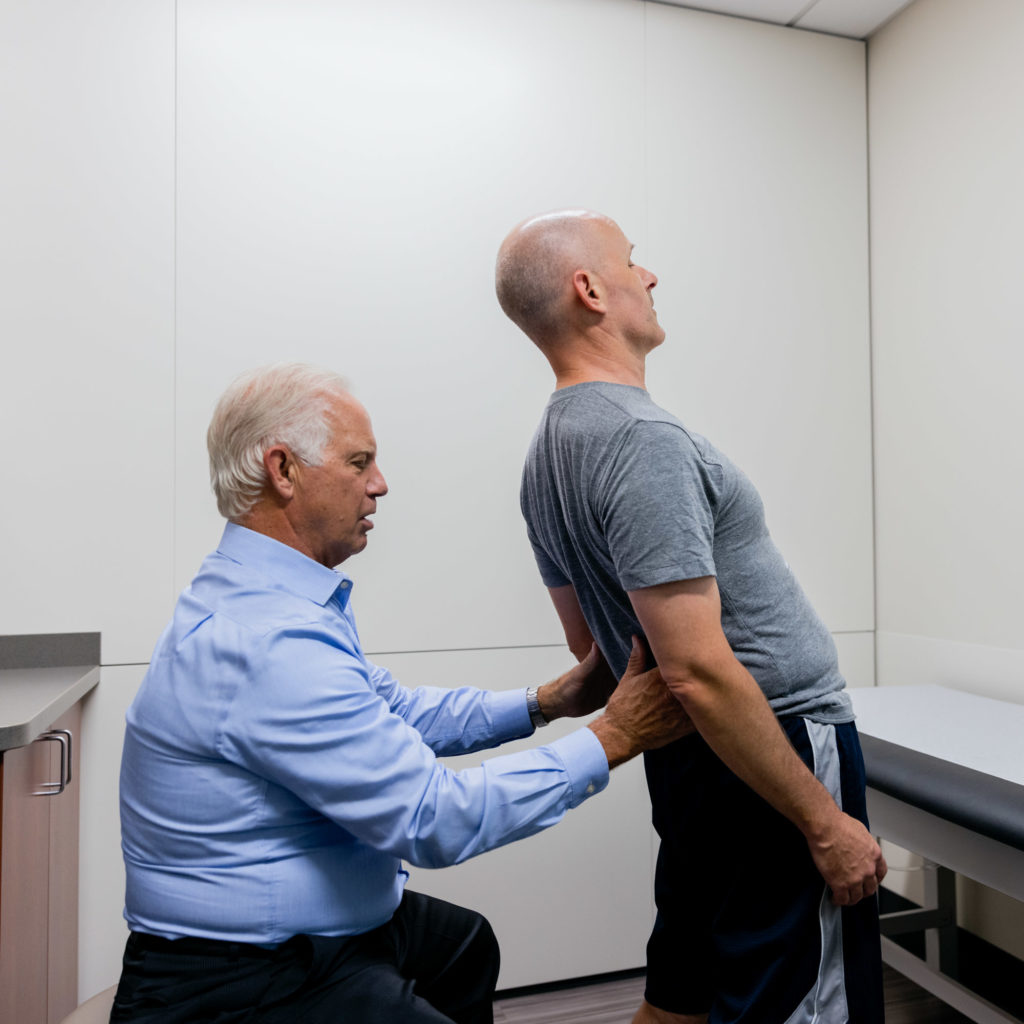
Dr. Lowry Jones doing back exam

Considering Surgical Intervention: When Conservative Care Isn’t Enough

While the vast majority of back pain cases improve with conservative care, there are situations where surgery becomes a necessary and effective option. Your orthopedic surgeon at KCOI will only recommend surgery after a thorough evaluation, when non-surgical treatments have been exhausted, and if clear diagnostic evidence (like MRI scans) points to a specific anatomical problem that can be corrected surgically.

Surgical intervention for spine conditions aims to:

  • Decompress Nerves: Relieve pressure on compressed nerves that are causing pain, numbness, or weakness.
  • Stabilize the Spine: Fuse vertebrae together or use hardware to prevent excessive movement, particularly for instability or severe deformities.

Common types of spine surgeries for back pain include:

  • Laminectomy: Often performed for herniated discs or spinal stenosis. A laminectomy involves removing part of the vertebral bone (lamina) to create more space for nerves.
  • Discectomy: A discectomy removes the portion of a herniated disc that is pressing on a nerve. These can often be done with minimally invasive techniques.
  • Spinal Fusion: This procedure involves permanently connecting two or more vertebrae using bone grafts and often metal hardware (screws, rods). It’s used to stabilize the spine, correct deformities, or eliminate painful motion between vertebrae, particularly in cases of severe degenerative disc disease, spondylolisthesis, or spinal instability.
  • Artificial Disc Replacement: In some select cases, particularly for single-level degenerative disc disease in younger patients, the damaged disc can be removed and replaced with an artificial disc in the cervical spine, preserving motion at that spinal level.
  • Vertebroplasty/Kyphoplasty: Procedures used to treat painful vertebral compression fractures, often due to osteoporosis. Bone cement is injected into the fractured vertebra to stabilize it.

The choice of surgical procedure depends entirely on the specific diagnosis, the severity of your condition, your overall health, and the recommendations of your orthopedic specialist. Our orthopedics team at KCOI prides itself on utilizing the latest surgical techniques, including minimally invasive options, to ensure the best possible outcomes for our patients.

Prevention and Proactive Spine Health

While we can’t always prevent back pain, especially from degenerative changes, adopting healthy habits can significantly reduce your risk and severity:

  • Maintain a Healthy Weight: Excess weight, particularly in the abdomen, puts added strain on your lower back pain region.
  • Practice Good Posture: Be mindful of how you sit, stand, and lift. When lifting, use your legs, not your back.
  • Stay Active: Regular exercise strengthens core muscles that support your spine. Include activities that promote flexibility and cardiovascular health. Even gentle movement can help prevent stiffness.
  • Ergonomics: Ensure your workstation is ergonomically sound to support your spine during prolonged sitting.
  • Quit Smoking: Smoking reduces blood flow to the discs, accelerating their degeneration.
  • Listen to Your Body: Pay attention to early warning signs of pain and take appropriate rest or modify activities.

Take Control of Your Back Health

Persistent back pain and stiffness don’t have to be your norm. Whether it’s a recent injury or chronic discomfort, our experts provide accurate diagnoses and personalized treatment to relieve pain, restore function, and improve your quality of life. Don’t let back pain hold you back. Request an appointment with one of our experienced orthopedic specialists at partner physician clinic KCOA today: Request an Appointment. Your spine health is our priority.

Dr TJ Rasmussen and knee model

Total vs. Partial Knee Replacement: What You Should Know

This blog post will dive into both total and partial knee replacements, explaining when each might be recommended, and help you understand how our team at KCOI can guide you through this journey.

Understanding Knee Osteoarthritis: The Root of the Problem

The most common reason people consider knee replacement surgery is severe osteoarthritis. This degenerative joint disease occurs when the protective cartilage that cushions the ends of your bones wears away over time. In the knee, this includes the cartilage on the end of your thigh bone (femur), shin bone (tibia), and kneecap (patella).

As this cartilage deteriorates, the bones begin to rub directly against each other, leading to:

  • Pain: Often described as a deep ache, sharp pain, or grinding sensation, especially with movement or after periods of rest.
  • Stiffness: Making it difficult to bend or straighten the knee, particularly in the mornings.
  • Swelling: Due to inflammation within the joint.
  • Limited Range of Motion: Affecting your ability to walk, climb stairs, or perform daily activities.
  • Clicking or Popping Sounds: Known as crepitus, as the joint surfaces grate against each other.

While osteoarthritis is often age-related, previous knee injuries (such as ligament tears from sports or trauma), genetics, obesity, and overuse can also contribute to its development. When these symptoms significantly impact your quality of life and non-surgical treatments like physical therapy, medication, and injections are no longer effective, your orthopedic specialist may discuss surgical intervention.

Non-Surgical Approaches: When Is Surgery the Next Step?

Before recommending surgery, your orthopedic surgeon will always explore a range of non-surgical treatments. Such approaches include:

  • Physical Therapy: Targeted exercises to strengthen the muscles around the knee, improve flexibility, and enhance stability.
  • Medications: Over-the-counter pain relievers (like NSAIDs), prescription anti-inflammatory drugs, or pain medications.
  • Injections: Corticosteroid injections to reduce inflammation and pain, or viscosupplementation injections (hyaluronic acid) to lubricate the joint.
  • Lifestyle Modifications: Weight management to reduce stress on the knee, and activity modifications to avoid high-impact movements that aggravate symptoms.
  • Assistive Devices: Using a cane or walker to reduce load on the affected knee.
  • Compression Sleeves & Braces: Sleeves can reduce swelling and inflammation, while braces recreate stability and offload the knee joint.

You can learn more about comprehensive orthopedic treatments available at KCOI for various knee conditions, including those managed by our skilled sports medicine specialists for less severe injuries.

The decision to move towards knee replacement surgery is made when these conservative methods fail to provide lasting relief, and the pain severely limits your daily activities and quality of life. This is where understanding your surgical options becomes paramount.

Total Knee Replacement (TKR): A Comprehensive Solution

Total Knee Replacement (TKR) relieves severe knee pain and restores function by replacing damaged joint surfaces with metal and plastic implants. At KCOI, we use advanced techniques—including robotic-assisted surgery—to customize each procedure to the patient’s unique anatomy.

How TKR Works:

  • Femoral Component: A metal cap covers the end of the thigh bone.
  • Tibial Component: A flat metal plate with a polyethylene (plastic) insert is placed on top of the shin bone. The plastic insert acts as a new smooth cartilage surface.
  • Patellar Component (Optional): A plastic button may be placed on the underside of the kneecap.

The goal of TKR is to resurface all three compartments of the knee (medial, lateral, and patellofemoral) to eliminate bone-on-bone friction, reduce pain, and improve the knee’s alignment and movement. TKR is often recommended for patients with widespread arthritis affecting multiple areas of the knee joint.

Partial Knee Replacement (PKR): A More Targeted Approach

Partial Knee Replacement (PKR) is a less invasive option for patients with arthritis limited to one knee compartment, typically the inner side. It preserves healthy bone and cartilage by replacing only the damaged area. Dr. Sean Bonanni notes PKRs work well for isolated wear but may not last as long as total knee replacements.

How PKR Works:
  • Only the damaged cartilage and bone from the affected compartment are removed.
  • Small metal components are resurfaced onto the ends of the femur and tibia in that specific area.
  • A plastic insert is placed between these metal components to create a new smooth gliding surface.
Advantages of PKR (when appropriate):
  • Smaller Incision: Generally, a less extensive incision compared to TKR.
  • Less Bone Removal: Preserves more of your natural bone and ligaments.
  • Potentially Faster Recovery: Many patients experience a quicker return to activities.
  • More Natural Feel: Some patients report that a PKR knee feels “more natural” because more of their own knee anatomy is preserved.
  • Reduced Blood Loss: Typically less blood loss during surgery.
  • Shorter Hospital Stay: Often allows for a shorter recovery period in the hospital.
Considerations for PKR:

PKR is not for everyone. Ideal candidates usually have:

  • Arthritis primarily affecting only one compartment of the knee.
  • Intact knee ligaments (especially the ACL).
  • Reasonable knee alignment.
  • No significant inflammation or other widespread knee conditions.

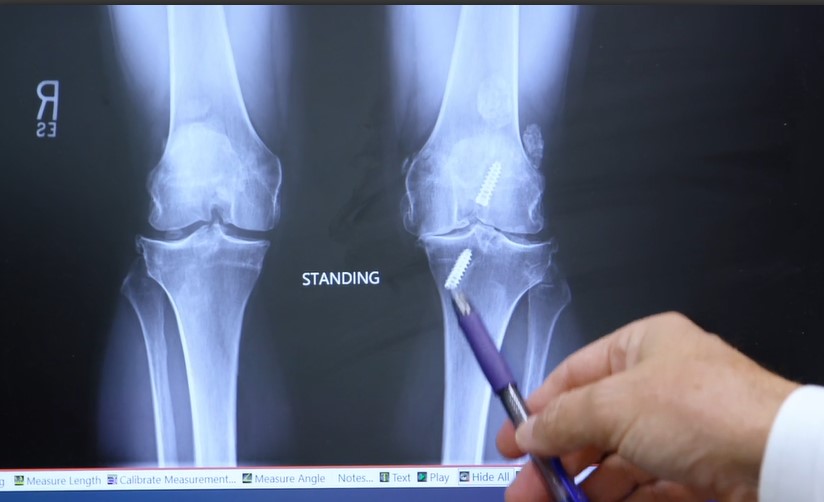
Your orthopedic surgeon will carefully evaluate your specific condition, including X-rays and potentially MRI scans, to determine if you are a suitable candidate.

Choosing the Right Path: Factors Your Orthopedic Surgeon Considers

The decision between a Total Knee Replacement and a Partial Knee Replacement is complex and highly individualized. It involves a thorough discussion with your orthopedic surgeon at KCOI, taking into account several factors:

  • Arthritis Extent: Widespread = TKR; isolated = PKR possible
  • Ligament Stability: Strong ACL needed for PKR
  • Knee Alignment: Major deformities may require TKR
  • Age & Activity: May influence implant choice and recovery
  • Patient Goals: Pain relief and function drive decision
  • Surgeon Expertise: Surgeon selects best fit for your anatomy
  • Bone Quality: Good bone needed for secure implant placement

What to Expect: Recovery and Rehabilitation

Regardless of whether you undergo a total or partial knee replacement, rehabilitation is a critical component of your recovery. Both procedures aim to alleviate pain and restore function, but the journey involves dedication and effort.

  • Hospital Stay: Typically a few days, though some patients may qualify for outpatient joint replacement.
  • Pain Management: Your care team will provide medication and strategies to manage post-surgical pain.
  • Physical Therapy: Begins almost immediately after surgery, focusing on restoring range of motion, strength, and walking ability. This is crucial for optimizing your outcome.
  • Home Recovery: Continuing exercises, managing swelling, and gradually increasing activity levels as advised by your surgeon and physical therapist.

Our commitment at KCOI extends beyond the operating room. We work closely with our partners at KCOA to provide a seamless and comprehensive patient experience. From pre-operative education to post-operative rehabilitation, our goal is to support you every step of the way towards a successful recovery and a pain-free life.

Life After Knee Replacement

Modern knee replacements are highly successful at relieving pain and improving quality of life. Most patients return to daily activities like walking, swimming, or cycling. High-impact sports are usually discouraged, but your surgeon will guide you based on your recovery and procedure type.

Read about KCOA patient Leo Sebus, and his journey from pain to knee replacement to recovery.  Sebus tells us that he relied on his team’s guidance on pain management and routines, and differentiating between pain, soreness and general discomfort helped him navigate his recovery. 


Take the Next Step Towards a Pain-Free Life

Living with chronic knee pain doesn’t have to be your reality. Understanding the options available, from conservative treatments to advanced surgical procedures like Total and Partial Knee Replacement, is the first step towards reclaiming your mobility and improving your quality of life.

At KCOI, our expert surgeons use the latest techniques to treat all knee conditions with personalized care. Don’t let knee pain hold you back.

If you’re experiencing persistent knee pain and want to explore your treatment options, contact KCOI today. Schedule a consultation through the physician clinic at KCOA: Request an Appointment. Your journey to a healthier, more active life starts here.

pickleball players

Pickleball Injuries: When to Seek Orthopedic Care

Pickleball has exploded in popularity, offering a fun and fast-paced blend of tennis, badminton and ping pong. It’s easy to learn, highly social and offers a fantastic way to stay active. However, as with any sport that involves quick movements, pivots and explosive actions, pickleball comes with its own set of potential risks, particularly for the lower extremities.

At Kansas City Orthopaedic Institute (KCOI), our sports medicine specialists and orthopedic surgeons are increasingly seeing patients with pickleball-related injuries. While the game is generally considered low-impact, the sudden starts, stops and directional changes can place significant stress on your feet, ankle, knee, leg and hip. This post will delve into common lower extremity pickleball injuries, explain why they occur, and, most importantly, help you understand when it’s time to transition from self-care to professional orthopedic treatment.

The Rise of Pickleball and the Twist of Injuries

The explosion in popularity (and pickleball courts throughout the KC metro) means more people are playing, often without a prior background in racket sports or high-intensity activity. This broad appeal, while wonderful for public health, can also contribute to a higher incidence of injuries. Players might underestimate the demands the game places on their bodies, leading to improper warm-ups, pushing too hard too fast, or not recognizing the early signs of strain.

Common lower extremity injuries in pickleball frequently stem from:

  • Sudden directional changes: Quickly moving side-to-side or forward-and-back puts immense pressure on ankles and knees.
  • Repetitive impacts: Constant running and jumping on hard courts can stress joints and bones.
  • Overextension or awkward landings: Reaching for a shot or landing off-balance can lead to sprains or strains.
  • Lack of proper conditioning: Not adequately preparing your muscles and joints for the sport’s demands.

While this post focuses on lower extremity injuries, it’s worth noting that other common pickleball injuries can include issues with the wrist (from trip/falls or swings/strokes), elbow and shoulder (excessive swings/strokes).

Common Lower Extremity Pickleball Injuries

Let’s break down some of the specific lower extremity injuries our orthopedic experts at KCOI frequently diagnose and treat:

Ankle Sprains

Perhaps the most common injury in pickleball, an ankle sprain, occurs when the ligaments that stabilize your ankle are stretched or torn. This often happens during quick lateral movements, lunging for a ball, or landing awkwardly after a jump. You might feel a “pop” or tearing sensation, followed by immediate pain, swelling, bruising and difficulty bearing weight.

Achilles Tendinopathy or Rupture

The Achilles tendon, located at the back of your ankle, connects your calf muscles to your heel bone. The explosive push-off movements required in pickleball can put significant strain on this tendon. Overuse can lead to Achilles tendinopathy (inflammation or degeneration), characterized by pain and stiffness in the back of the heel, especially in the morning or after activity. A sudden, forceful push-off can also lead to a complete Achilles tendon rupture, which is often described as feeling like you’ve been “kicked” in the back of the leg, followed by severe pain and inability to push off your foot.

Knee Ligament Sprains (ACL, MCL, LCL) and Meniscus Tears 

The knee is particularly vulnerable due to the twisting and pivoting motions in pickleball.

  • ACL (Anterior Cruciate Ligament) injuries: Often occur with sudden stops, changes in direction, or awkward landings, leading to a “pop” sensation, instability, swelling and severe pain.
  • MCL (Medial Collateral Ligament) injuries: Result from forces that push the knee inward, common during side-to-side movements or collisions.
  • LCL (Lateral Collateral Ligament) injuries: Less common, caused by forces pushing the knee outward.
  • Meniscus Tears: The menisci are C-shaped pieces of cartilage that cushion your knee joint. Twisting the knee while bearing weight can tear a meniscus, causing pain, swelling, clicking, catching or a feeling of the knee “giving out.”

Strains and Fractures

Hamstring Strains

The hamstrings, located at the back of your thigh, are crucial for running and stopping movements. Sudden sprints or lunges, especially without adequate warm-up, can lead to a hamstring strain, causing sharp pain in the back of the thigh, bruising and tenderness.

Calf Strains (e.g., “Tennis Leg”)

Similar to hamstring strains, calf strains (often called “tennis leg” in other sports, but equally applicable to pickleball) occur when the calf muscles are suddenly stretched or contracted beyond their capacity. This can happen during a powerful push-off or an abrupt stop, resulting in sharp pain in the back of the lower leg, swelling and difficulty walking.

Plantar Fasciitis

This condition involves inflammation of the plantar fascia, a thick band of tissue running along the bottom of your foot from your heel to your toes. The repetitive impact of running and jumping on hard pickleball courts, especially with inadequate footwear or foot support, can lead to heel pain that is often worse in the morning or after periods of rest.

Stress Fractures

While less common acutely, repetitive stress on the bones of the foot or lower leg (tibia, fibula) without adequate recovery time can lead to stress fractures. These are tiny cracks in the bone, causing localized pain that worsens with activity and improves with rest.

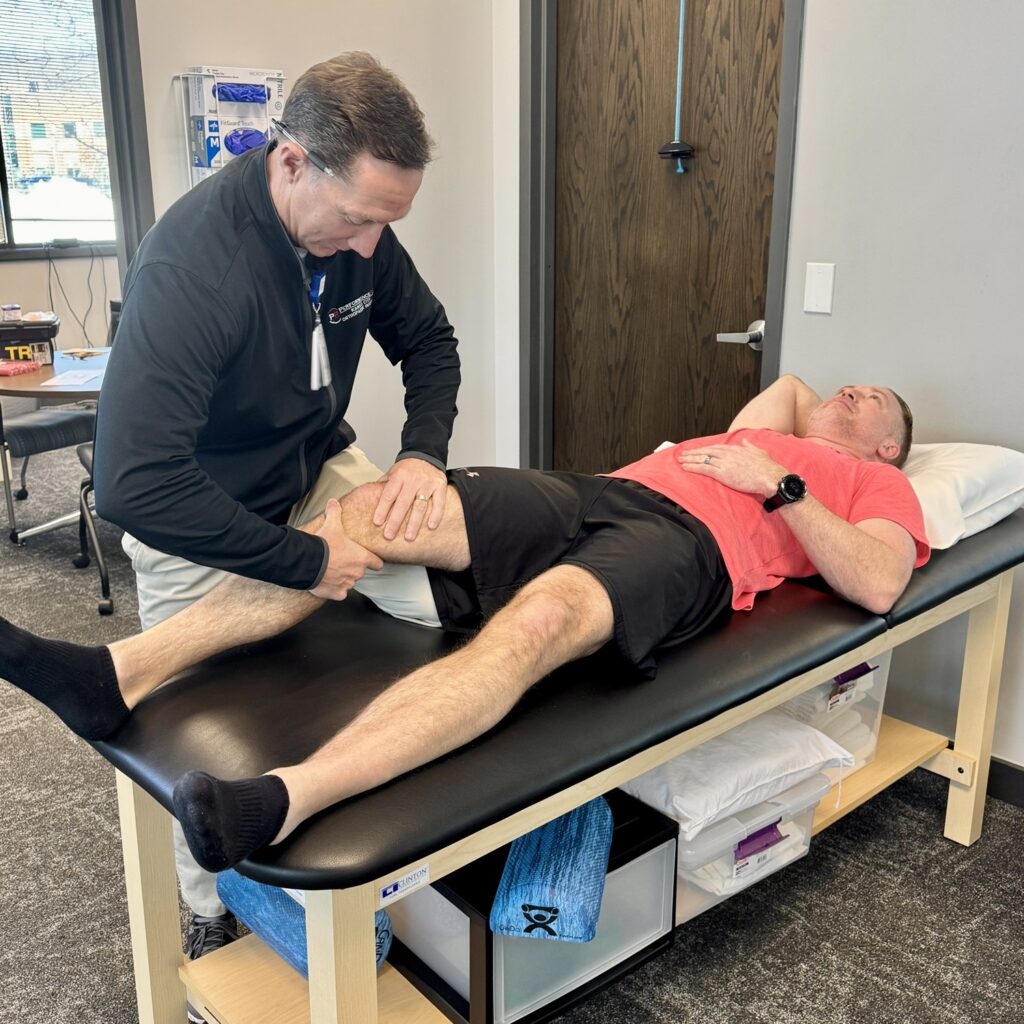
physical therapy on leg

How to Know When You Need Orthopedic Treatment

It’s natural to have some aches and pains after playing a new sport or pushing yourself during a game. However, certain signs indicate that your injury is more than just a minor tweak and warrants evaluation by a sports medicine physician or orthopedic surgeon at KCOI.

Seek immediate medical attention if you experience:

  1. Sudden, Severe Pain: Pain that is excruciating and prevents you from continuing to play or bear weight.
  2. Deformity: If the injured area looks visibly crooked, swollen or out of place.
  3. Inability to Bear Weight: If you cannot put any weight on your foot or leg without excruciating pain.
  4. Audible “Pop” or “Snap”: Often indicative of a ligament tear (like ACL or Achilles) or a fracture.
  5. Loss of Function: If you cannot move the affected joint or limb normally.
  6. Numbness or Tingling: This could indicate nerve involvement and requires prompt evaluation.

Consider scheduling an appointment with an orthopedic specialist if you have:

  1. Persistent Pain: Pain that doesn’t improve with rest, ice, compression, and elevation (RICE method) after a few days.
  2. Swelling and Bruising that Worsens: Or does not subside after 24-48 hours.
  3. Limited Range of Motion: If you can’t fully straighten or bend your joint compared to the uninjured side.
  4. Instability: A feeling that your knee or ankle might “give out” or is unstable during movement.
  5. Recurring Pain: If the pain keeps coming back every time you play pickleball, even after resting.
  6. Chronic Aches: Persistent aches that disrupt sleep or daily activities, even if not acutely severe.

At KCOI, our team of orthopedic surgeons has extensive experience diagnosing and treating a wide range of sports-related injuries, including those sustained on the pickleball court. We utilize state-of-the-art diagnostic tools and develop personalized treatment plans, which may include physical therapy, injections or, in some cases, surgical intervention.

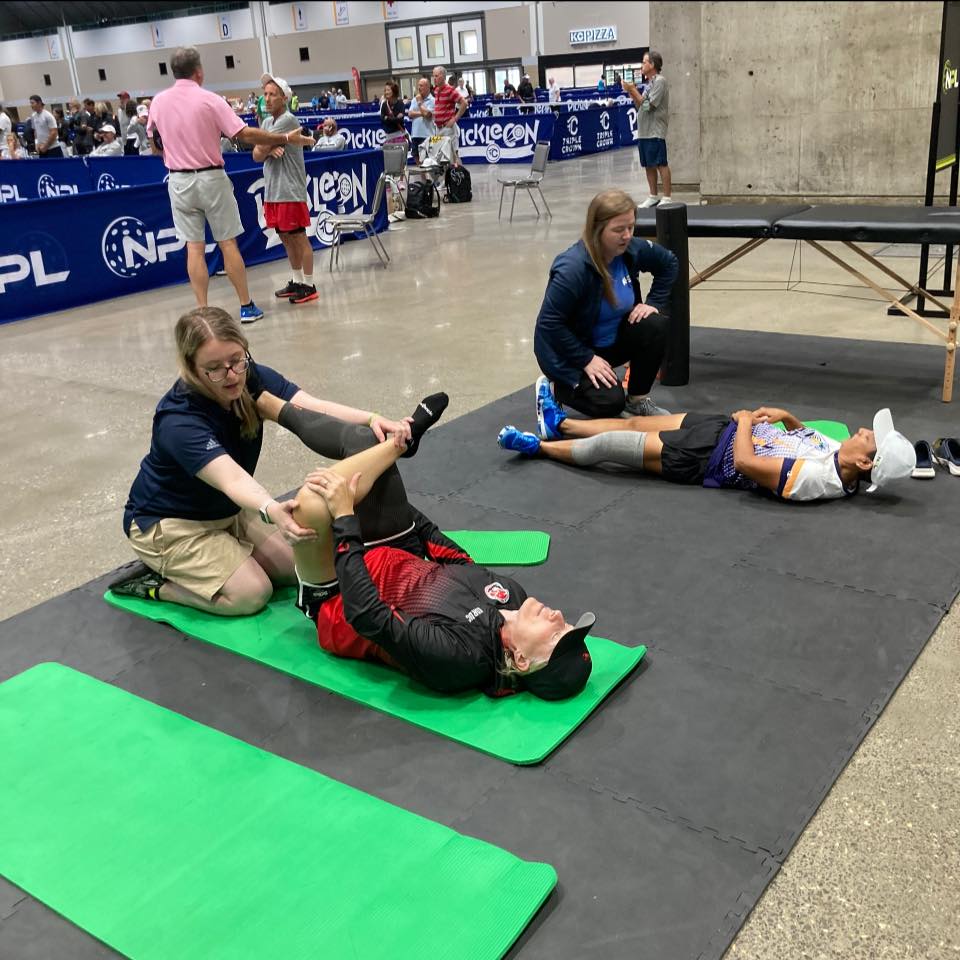
athletic trainers and pickleball athletes

Preventing Pickleball Injuries: Play Smart, Stay Healthy

While injuries can happen, many can be prevented with proper preparation and smart play:

  • Warm-Up Properly: Before stepping onto the court, spend 5-10 minutes with light cardio (jogging in place, jumping jacks) and dynamic stretches (leg swings, knee circles, ankle rotations).
  • Cool-Down and Stretch: After playing, take 5-10 minutes to gently stretch the muscles you used, holding each stretch for 20-30 seconds.
  • Wear Appropriate Footwear: Invest in court shoes that provide good lateral support and cushioning. Running shoes are not designed for the side-to-side movements of pickleball.
  • Stay Hydrated: Dehydration can contribute to muscle cramps and fatigue, increasing injury risk.
  • Listen to Your Body: Don’t play through pain. If something hurts, take a break. Push too hard and a minor ache can become a major injury.
  • Progress Gradually: If you’re new to pickleball or haven’t played much lately, start with shorter sessions and gradually increase your playing time and intensity.
  • Focus on Technique: Learning proper footwork and stroke mechanics can reduce undue stress on your joints. Consider lessons if you’re serious about the game.
  • Strengthen and Condition: Incorporate strength training exercises that target your core, glutes, hamstrings, and calf muscles. Improve your balance and agility through drills.

Pickleball is a fantastic sport that offers countless benefits for physical and mental well-being. By being aware of potential lower extremity injuries and knowing when to seek professional orthopedic care, you can continue to enjoy the game safely and for many years to come.

If you’re experiencing persistent pain, instability, or any of the concerning symptoms discussed above, don’t delay. Our team at KCOI is here to help you get back on the court, pain-free.

Ready to get back in the game? Schedule a consultation with one of our expert orthopedic specialists at Kansas City Orthopaedic Institute today: Request an Appointment.

hip joint model

Hip Osteoarthritis: When to Consider Joint Replacement

Understanding Hip Osteoarthritis: When is Joint Replacement the Answer?

That nagging ache deep in your hip, the morning stiffness that feels like your joint is locked in place, the increasing difficulty with everyday activities you once took for granted – these could be telltale signs of osteoarthritis (OA), a prevalent condition affecting countless individuals. Here at Kansas City Orthopaedic Institute (KCOI), our dedicated team of orthopedic surgeons understands the profound impact hip pain can have on your quality of life.

This post will familiarize you with the symptoms of hip osteoarthritis and the various treatment pathways, while helping you understand when hip joint replacement surgery might be necessary.

couple walking

What is Osteoarthritis of the Hip?

Osteoarthritis of the hip isn’t simply “wear and tear.” It’s a complex degenerative process within the joint. The hip joint, a ball-and-socket joint, relies on a smooth layer of cartilage covering the femoral head (the “ball” at the top of your thigh bone) and the acetabulum (the “socket” in your pelvis). This cartilage acts as a frictionless cushion, allowing for fluid and pain-free movement. In osteoarthritis, this protective cartilage gradually erodes and thins. As the cartilage deteriorates, the underlying bone becomes exposed. This bone-on-bone friction during movement leads to the hallmark symptoms of pain, inflammation and stiffness.

Over time, the joint can also develop bone spurs (osteophytes), which can further restrict movement and exacerbate pain. While age is a significant risk factor, it’s crucial to understand that OA isn’t an inevitable part of aging for everyone. Factors such as a family history of arthritis, previous hip injuries including a labral tear, developmental hip dysplasia, obesity (which puts increased stress on the joints) and repetitive high-impact activities can all increase your susceptibility to developing osteoarthritis in the hip.

Recognizing the Symptoms of Hip OA 

The onset of hip osteoarthritis symptoms is often gradual, which can sometimes make it challenging to recognize the early stages. Paying attention to subtle changes in how your hip feels and functions is key. Beyond the core symptoms previously mentioned, here are some more nuanced ways hip OA can manifest: 

  • Night Pain: As the condition progresses, you may experience persistent hip pain even while resting, often disrupting your sleep. 
  • Referred Pain: The pain from hip OA can sometimes be felt in unexpected areas, such as the lower back, groin, or even down the front of the thigh towards the knee. This “referred pain” can sometimes make diagnosis tricky. 
  • Changes in Gait: You might notice yourself favoring one leg over the other, developing a more pronounced limp, or experiencing a Trendelenburg gait (where your pelvis drops on the side of the lifted leg due to weakness in the hip abductor muscles). 
  • Loss of Flexibility: You may find it increasingly difficult to perform actions that require hip flexion, extension, abduction (moving the leg away from the body), or rotation. Simple tasks like crossing your legs or bending to tie your shoes can become significant challenges. 
  • Swelling and Tenderness: In some cases, particularly during periods of increased activity or inflammation, you might experience mild swelling or tenderness around the hip joint. 
  • Crepitus: The grinding, clicking, or popping sound you hear (crepitus) can become more frequent and pronounced as the cartilage wears away and the bony surfaces roughen. 


hip consult with patient

Exploring Treatment Options for Hip Osteoarthritis 

The management of hip osteoarthritis typically begins with a comprehensive evaluation by an experienced orthopedic surgeon. This evaluation will involve a thorough physical examination, a review of your medical history and symptoms, and diagnostic imaging such as X-rays. In some cases, MRI and/or CT scans may be used to provide more detailed information about the soft tissues around the hip, including ruling out other conditions like a labral tear. 

Fortunately, there are various treatment options available for managing hip osteoarthritis. Initially, your orthopedic surgeon at KCOI will likely recommend conservative approaches, such as: 

  • Lifestyle Modifications: This can include weight management, low-impact exercises like swimming or cycling, and avoiding activities that aggravate your pain. 
  • Physical Therapy: Strengthening the muscles around your hip can help to stabilize the joint and reduce pain. 
  • Medications: Over-the-counter pain relievers like ibuprofen or naproxen, as well as prescription medications, can help manage pain and inflammation. 
  • Injections: Corticosteroid injections into the hip joint can provide temporary pain relief. 

When is Joint Replacement Surgery Considered? 

While conservative treatments can be effective in managing early to moderate hip osteoarthritis, there may come a point when these options no longer provide sufficient pain relief and improvement in function. Your orthopedic surgeon may then discuss hip joint replacement surgery as a potential solution. 

Things to consider when determining if you are a candidate for hip replacement surgery: 

  • Severe Pain: You experience significant hip pain that interferes with your daily activities, sleep and overall quality of life. 
  • Limited Mobility: You have significant difficulty walking, climbing stairs, or performing basic movements despite trying other treatments. 
  • Lack of Improvement with Non-Surgical Options: Conservative treatments have been exhausted without providing substantial or lasting relief. 
  • X-ray Evidence of Advanced OA: Imaging studies clearly show significant damage to the hip joint. 
  • Your Personal Goals and Expectations: What are your goals for pain relief and improved function? A successful hip replacement can often allow individuals to return to activities they previously had to give up. 

Hip replacement surgery involves replacing the damaged cartilage and bone in your hip joint with artificial components (prosthesis). This procedure can effectively relieve pain, improve mobility, and allow you to return to a more active lifestyle. The decision to undergo joint replacement surgery is a collaborative one between you and your experienced orthopedic surgeon at KCOI.  

KCOI Physicians Specializing in Hip Replacement

Dr. Scott Abraham, Dr. Cris Barnthouse, Dr. Sean Bonanni, Dr. John Carlisle, Dr. David Clymer, Dr. Scott Cook, Dr. Burrel Gaddy, Dr. Michael McCabe, Dr. Kirk McCullough, Dr. Christopher Peer, Dr. Dan Reinhardt, Dr. Robert Sharpe, Dr. Nick Ting and Dr. Scott Wingerter 

Living with chronic hip pain from osteoarthritis can significantly limit your enjoyment of life. Understanding the symptoms, exploring the range of treatment options, and knowing when joint replacement surgery might be the most effective solution are crucial steps in taking control of your health. 

Don’t let hip pain control your life. If you’re experiencing symptoms of osteoarthritis and conservative treatments haven’t provided the relief you need, it may be time to explore other options. 

Take the first step towards a more comfortable and active future. Contact us to Request an appointment with one of our expert hip specialists at KCOI today. 

baseball

Spring Means Baseball—And Shoulder Strain:  Here’s What to Watch For 

Baseball season is here, and with it comes batting practice, bullpen sessions—and unfortunately, a rise in shoulder injuries. For anyone engaging in activities that involve repetitive throwing motions, from casual backyard games, to high school ball, to structured adult sports leagues, protecting your throwing arm is key to a healthy and enjoyable season.  

At Kansas City Orthopaedic Institute (KCOI) and Kansas City Orthopedic Alliance (KCOA), we see a surge of throwing-related shoulder injuries each spring. Fortunately, most can be prevented—or treated effectively, with timely care. 

baseball

Why Baseball Players Are Prone to Shoulder Injuries 

The shoulder is the most mobile joint in the body—which also makes it vulnerable to stress, especially with the repetitive throwing motions common in baseball and softball. 

Common shoulder injuries in baseball players include: 

  • Rotator cuff tendinitis or tears 
  • Labral tears (such as SLAP or Bankart lesions) 
  • Shoulder impingement syndrome 
  • Little League shoulder (an overuse injury affecting the growth plate) 
  • Shoulder instability or dislocation 

baseball

Prevention Tips from the Pros 

Want to avoid baseball injuries this season? Here are five ways to protect the throwing arm—backed by expert advice from KCOI and KCOA physicians: 

Follow Pitch Count Guidelines

Stick to age-based pitch limits and required rest days between outings. Younger players are still developing and need time to recover. The American Sports Medicine Institute (ASMI) offers guidelines that many leagues follow for safe pitching volumes. 

Warm Up Right

Start with a full-body dynamic warmup, not just shoulder stretches. Proper warmups increase blood flow, improve flexibility and prepare the muscles for high-velocity movement. 

Cross-Train in the Off-Season

Incorporate cross-training during periods of reduced throwing activity to minimize repetitive strain. Year-round, single-sport participation, particularly in throwing-intensive sports, can increase the risk of injury, even in adults. Diversifying activities helps promote long-term arm health and overall athletic longevity. 

Focus on Shoulder Strength and Stability

Conditioning programs that build shoulder, scapular, and core strength help support proper throwing mechanics and reduce risk of injury. 

Listen to the Body

Pain is never “just part of the game.” If your athlete complains of soreness, tightness, or a decrease in throwing speed or accuracy, it’s time to rest—and potentially get evaluated by a specialist. 

Dr. Daniel J. Chernoff shares quick tips to reduce the risk of injury while playing sports, including participating in multiple sports, preseason workouts and rest. 

When to See a Shoulder Specialist 

It’s normal to feel sore after a long game. But persistent pain or instability may signal something more serious. Schedule a visit with a specialist if your athlete experiences: 

  • Ongoing pain with throwing or lifting the arm 
  • Decreased range of motion 
  • A “popping” or “clicking” sensation 
  • Weakness or a “dead arm” feeling 
  • Recurring dislocations or shoulder instability 

Our teams at KCOI and KCOA specialize in identifying shoulder injuries early—before they worsen—and creating tailored treatment plans for each patient experiencing baseball injuries. 

Treatment Options for Throwing Shoulder Injuries 

Treatment depends on the diagnosis and severity of the injury, but most young athletes won’t require surgery. 

Non-surgical options may include: 

  • Rest and activity modification 
  • Physical therapy and rehab exercises 
  • Anti-inflammatory medications or corticosteroid injections 
  • Imaging and evaluation for more complex issues 

For injuries like rotator cuff tears, labral damage or recurrent dislocations, minimally invasive procedures like arthroscopy may be recommended. Our orthopedic surgeons are experts in: 

  • Rotator cuff repair 
  • Labral repair and Bankart repair  
  • Shoulder reconstruction (for severe trauma or arthritis)

At KCOI and KCOA, we’ve performed thousands of shoulder repairs for athletes and active individuals throughout the Kansas City metro. Our goal is always the same: lasting pain relief and a safe return to play. 

What Recovery Looks Like 

After treatment, our patients follow a guided rehab and return-to-throwing protocol. That means: 

  • Gradual return to strength and flexibility 
  • Progressive throwing programs (under supervision of a Physical Therapist or Athletic Trainer)
  • Ongoing guidance to prevent re-injury 

Our sports medicine specialists understand what’s at stake—and help athletes of all levels recover with confidence. 

Shoulder Care That Gets You Back in the Game 

Whether your young pitcher is showing signs of overuse or you’re nursing a sore shoulder after a weekend doubleheader, KCOI and KCOA are here to help. We offer expert diagnosis, evidence-based treatment and a team of specialists who are passionate about keeping Kansas City athletes healthy. 

If you’ve experienced an acute shoulder injury, Save Your Spot online​ at KCOI Ortho Urgent Care, where we provide access to highly specialized orthopedic care and sports medicine experts seven days a week.

emergency room picture

When to Choose Orthopedic Urgent Care Over the ER: A Guide to Sprains, Fractures & Sports Injuries 

When an injury happens, it’s not always clear where to go for the right care. Do you head to the emergency room, or is orthopedic urgent care the better option?  

While the ER is necessary for life-threatening situations, orthopedic urgent care (Ortho UC) is often the best choice for non-life-threatening musculoskeletal injuries, such as sprains, fractures and sports-related trauma. Ortho Urgent Care is intended to treat injuries that have occurred within the last 72 hours.   

If you or a loved one experiences an orthopedic injury, knowing when to seek Ortho Urgent Care at Kansas City Orthopaedic Institute (KCOI) instead of the ER can save time, reduce costs, and ensure you receive specialized care quickly. 

What is Orthopedic Urgent Care? 

Orthopedic urgent care provides fast, specialized treatment for bone, joint and muscle injuries that do not require emergency room intervention. Instead of waiting for hours in an ER and seeing a general physician, patients at KCOI Ortho Urgent Care receive immediate attention from orthopedic specialists trained in musculoskeletal injuries. 

KCOI Ortho Urgent Care offers walk-in services seven days a week. In some cases, patients can schedule follow-up care with a specialist within 24 hours. If a fracture is confirmed, KCOI does its best to ensure patients are seen by a specialist within a day. 

Ortho Urgent Care vs. Emergency Room: Where Should You Go? 

emergency room picture

Deciding whether to go to KCOI Ortho Urgent Care or the ER depends on the severity and type of injury. Below is a breakdown to help guide your decision. 

When to Choose Orthopedic Urgent Care: 

  • Sports Injuries: Sprains, strains, dislocations and fractures that don’t break the skin can be effectively treated at KCOI Ortho Urgent Care. 
  • Bone Fractures: If the bone is not protruding through the skin, Ortho Urgent Care can provide rapid diagnosis and treatment, including casting and splinting. 
  • Sprains and Strains: Mild to moderate ligament and muscle injuries such as torn ACL, torn MCL, muscle contusions and minor lacerations are best managed by orthopedic specialists. 
  • Nerve Compression Injuries: Conditions such as carpal tunnel syndrome, sciatica and pinched nerves that cause pain, numbness or weakness can be evaluated and treated. 
  • Joint Injuries: Shoulder dislocations, knee injuries and other non-emergency joint issues can be assessed and treated without an ER visit. 

When to Visit the ER Instead: 

  • Severe Head Injuries: If the injury involves loss of consciousness, confusion or vomiting, immediate ER care is necessary. 
  • Open Fractures: If the bone has punctured the skin, it requires emergency medical attention. 
  • Severe Bleeding or Deep Lacerations: If bleeding cannot be controlled or a deep wound is present, the ER is the safest option. 
  • Spinal Cord Injuries: If there is any suspicion of a spinal injury, especially with symptoms of paralysis or extreme pain, seek emergency care immediately. 
  • Chest Pain or Difficulty Breathing: These symptoms may indicate a more serious medical issue that requires ER intervention. 

The Advantages of Choosing KCOI Ortho UC Over the ER 

When it comes to musculoskeletal injuries, choosing KCOI Ortho UC over the ER has significant benefits: 

  • Specialized Care: Instead of seeing a general physician, you’ll receive immediate attention from orthopedic experts who specialize in treating bone, muscle and joint injuries. 
  • Shorter Wait Times: ER wait times can be unpredictable, while KCOI Ortho UC offers faster service tailored to orthopedic conditions. 
  • Cost Savings: ER visits often result in higher medical bills, whereas Ortho UC provides a more affordable alternative for non-life-threatening injuries. 
  • Quick Access to Specialists: If follow-up care is needed, KCOI Ortho UC can often schedule an appointment with a specialist within 24 hours—ensuring seamless care from injury to recovery. 
  • Convenient Location: KCOI Ortho UC is conveniently located at 3651 College Boulevard in Leawood, KS, and is open seven days a week. No appointment necessary; walk-ins are welcome.  You can also call ahead to 913-218-0800, or save your spot online at https://www.kcoi.com/online-check-in/. 

Get the Right Care Without the ER Wait 

When an orthopedic injury happens, don’t waste time in the ER if you don’t have to. KCOI’s Orthopedic Urgent Care offers expert treatment, short wait times and specialized follow-up care—all designed to get you back to doing what you love, pain-free. 

Many people want to get help right away to reduce pain and ensure their bodies heal properly. Our board-certified, fellowship-trained physicians and surgeons are highly experienced and are considered among the best orthopedic providers in the Midwest. 

For questions regarding your injury, please call us at 913-218-0800. If you have a life-threatening injury, please dial 9-1-1.  

For more information about the Kansas City Orthopaedic Institute, please check out our About page.

hockey

Top 5 Hockey Injuries: Prevention and Treatment for Every Player 

Hockey is one of the most exhilarating sports, known for its speed, agility and high-impact collisions. However, it’s also one of the most physically demanding, and the risk of injury is significant at all levels of play. Whether you’re competing in a high school championship, playing in college or enjoying a rec league game, knowing how to protect yourself—and what to do if you’re injured—can make all the difference. 

At KCOI and KCOA , we know hockey injuries inside and out. KCOA is proud to be the official sports medicine provider for the Kansas City Mavericks, is a proud sponsor of AdventHealth Sports Park at BluHawk and we’ve helped countless players recover and return to the sport they love. Let’s break down the top injuries hockey players face, how to prevent them and the expert care options available in Kansas City. 

Top 5 Common Hockey Injuries 

1) Shoulder Injuries (Dislocations, Rotator Cuff Tears and AC Joint Sprains)

Hockey’s fast-paced, physical nature often puts players’ shoulders at risk. From intense body checks to falls on the ice, shoulder injuries are all too common. 

  • Symptoms: Pain, limited range of motion, swelling and in severe cases, visible deformity. 
  • Why They Happen: Collisions with other players or the boards, combined with the repetitive strain of shooting and passing, can lead to shoulder dislocations, rotator cuff tears and AC joint sprains. 
  • Prevention Tips: 
    • Invest in high-quality, properly fitted shoulder pads. 
    • Include exercises like dumbbell presses, push-ups and shoulder stabilization drills in your workout routine. 
    • Practice proper body-checking techniques to avoid awkward falls. 
  • Treatment Options: Depending on the severity, you might need physical therapy, cortisone injections or surgery. Our specialists use advanced techniques to help players recover quickly and fully. 

2) Knee Injuries (ACL Tears and Meniscus Tears)

Quick stops, sudden direction changes and player collisions place enormous stress on the knees, making them one of the most vulnerable joints in hockey. 

  • Symptoms: Swelling, instability, popping sensations or difficulty bearing weight. 
  • Why They Happen: The intense movements required in hockey, combined with impact injuries, can lead to ligament tears (like ACL or MCL) or meniscus damage. 
  • Prevention Tips: 
    • Incorporate leg-strengthening exercises like squats and lunges into your fitness program. 
    • Focus on agility training to improve your stability during quick pivots. 
    • Use properly fitted skates to maintain knee alignment on the ice. 
  • Treatment Options: Based on the findings from the evaluation performed by a KCOA specialist, treatments like physical therapy may be deployed. If a significant tear or disruption is noted, surgery using minimally invasive techniques at our orthopedic specialty hospital, KCOI, might be necessary.

3) Groin Sprains

Groin injuries are particularly common among hockey players due to the quick lateral movements required for skating. 

  • Symptoms: Pain or tightness in the inner thigh, swelling or difficulty skating. 
  • Why They Happen: Skating’s unique mechanics put a lot of strain on the groin muscles, especially if players don’t warm up properly or overexert themselves. 
  • Prevention Tips: 
    • Prioritize dynamic stretching before games and practices, focusing on the hip flexors and groin muscles. 
    • Incorporate core-strengthening exercises like planks and side lunges into your training. 
    • Gradually increase the intensity of your skating drills to avoid overuse injuries. 
  • Treatment Options: Mild strains typically improve with rest and targeted physical therapy. KCOA providers working with their physical therapy partners can set up a plan to focus on restoring strength and flexibility to get you back on the ice safely. 

 4. Wrist and Hand Injuries (Fractures and Sprains)

Whether blocking shots, falling or handling a stick, hockey players frequently injure their wrists and hands. 

  • Symptoms: Swelling, bruising, reduced grip strength or difficulty moving the fingers or wrist. 
  • Why They Happen: The repetitive motions of shooting and puck-handling, combined with falls and impacts, can cause fractures, ligament sprains or tendon injuries. 
  • Prevention Tips: 
    • Use protective gloves that offer ample wrist support. 
    • Practice proper techniques for falls to reduce the risk of landing on your hands. 
  • Treatment Options: From splints to surgical care, KCOI and KCOA can provide a full range of surgical and nonsurgical treatments for wrist and hand injuries.

5. Hip Injuries

Hockey involves repetitive motions like skating, quick turns, and powerful shots, all of which can strain the hip muscles and surrounding structures. 

  • Symptoms: Pain in the hip area, groin pain, limited range of motion, stiffness, and difficulty walking or skating. 
  • Why They Happen: Falls, collisions, and overuse, along with hockey’s repetitive and quick motions, can also contribute to hip injuries. Common injuries include hip flexor strains, labral tears, and bursitis. 
  • Prevention Tips:  
    • Maintain flexibility in the hip muscles through regular stretching, including dynamic stretches before activity. 
    • Strengthen the muscles surrounding the hip, including the core, glutes, and hip flexors. Exercises like squats, lunges, and side planks can be beneficial. 
    • Proper warm-up before skating or playing, including light cardio and sport-specific movements. 
    • Ensure proper skating technique to minimize strain on the hips. 
  • Treatment Options: Treatment will depend on the specific injury. Options may include rest, physical therapy, anti-inflammatory medication, injections (such as cortisone), and in some cases, surgery. KCOA specialists can provide a comprehensive evaluation and create a personalized treatment plan.

Injury Prevention Strategies for Hockey Players 

Preventing injuries in hockey involves more than wearing the right gear—it requires a proactive approach to training, preparation and recovery. 

  • Invest in High-Quality Equipment: Ensure helmets, pads and skates fit well and meet safety standards. Poorly fitted gear increases the risk of injury. 
  • Warm Up and Stretch: Skipping your pre-game warm-up can leave muscles tight and prone to strain. Dynamic stretches and light skating drills can help loosen up your body. 
  • Condition Off the Ice: A well-rounded fitness program with strength, flexibility and agility training is essential. Focus on areas like core stability, lower-body strength and endurance. 
  • Stay Hydrated and Rested: Dehydration and fatigue increase the risk of injury, so stay hydrated and ensure you’re well-rested before hitting the ice.

What To Do If You Are Injured?

If you experience pain or suspect an injury, it’s critical to act fast. Ignoring symptoms can lead to further damage or longer recovery times. Here’s how KCOI and KCOA can help: 

  • Expert Diagnosis: Our orthopedic specialists use advanced imaging and diagnostic tools to pinpoint the problem. 
  • Customized Treatment Plans: From physical therapy to surgery, we provide tailored care to get you back on the ice. 
  • Comprehensive Recovery Support: Our team offers rehabilitation programs designed specifically for hockey players, ensuring a safe and effective return to play. 
  • Schedule an Ortho Urgent Care Appointment in the event you need specialized orthopedic urgent care. 


Why Choose KCOI and KCOA for Your Care? 

Hockey demands speed, strength and resilience—but injuries can sideline even the toughest players. That’s where KCOI and KCOA come in. With decades of experience treating athletes, we are trusted leaders in orthopedic care, specializing in injury prevention, treatment and rehabilitation. As the official sports medicine provider for the Kansas City Mavericks and proud supporters of local hockey, we understand the unique challenges of the sport and provide expert care tailored to the needs of high school, college and recreational players alike. 

From knee injuries to shoulder dislocations and wrist fractures, our team of specialists is equipped with the latest advancements in sports medicine to help you recover quickly and safely. We offer state-of-the-art imaging, innovative treatment options and customized rehabilitation programs designed specifically for hockey players. Whether you’re looking for non-surgical treatment, physical therapy or advanced surgical care, we’re committed to getting you back on the ice with confidence. 

Don’t let an injury keep you from playing the game you love. Take the first step toward recovery and prevention by scheduling a consultation with a KCOA specialist. Explore the full range of services available to get the expert care you need. 

Your performance on and off the ice matters, and at KCOI and KCOA, we’re here to keep you healthy, strong and ready to play.